

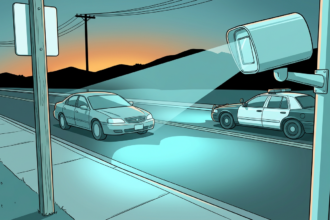

Anderson Police Chief Oliver Collins told the city council this week that his department had given Flock login access to employees of other agencies, and described the practice as wrong.
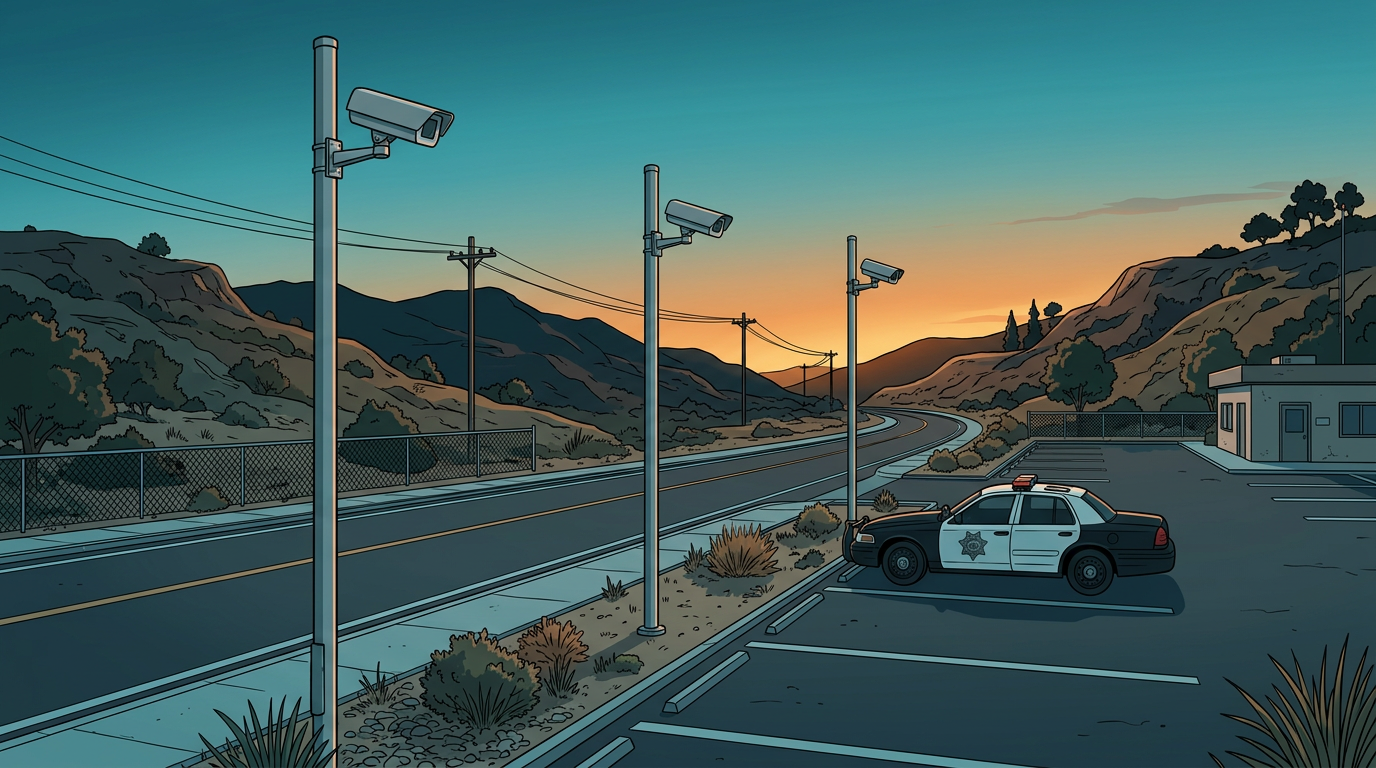
Twelve cameras cover Anderson at roughly $3,000 a year each, according to the city manager. Collins defended them anyway: he reported that vehicle theft fell 79% between 2018 and 2025, and called the system an investigative aid rather than a crime-solving tool. That distinction undercut a council member’s earlier public claim that the cameras “solve crimes.”
The county contract is now in question
Anderson is one of several Shasta County jurisdictions revisiting plate reading at the same moment. Supervisor Kevin Crye asked the county board to consider ending its five-year contract, and Sheriff Michael Johnson agreed to return with a full presentation on costs and usage policy. If supervisors find the presentation insufficient, Crye said, the county can terminate.
Johnson told the board that data is only pulled with cause and authorized by a sergeant or above, and that misuse would bring discipline or dismissal. Residents at the hearing pointed to documented misuse elsewhere, including a stalking case.
Why the login admission matters
Access control is the security layer that matters most in a shared plate network. A camera that logs every plate is only as trustworthy as the list of people who can query it, and police departments across the country have repeatedly been found handing out those credentials with no audit trail. Anderson just admitted doing exactly that.