




logo-ct
Sign In
  • Home
  • Cyber
    CyberShow More
    Volvo EX60 Camera Feed Gets Real Time AI Interpretation via Google Gemini
    May 20, 2026
    Ecarx and May Mobility Partner on Level 4 Computing for Robotaxi Fleet
    May 20, 2026
    Vector Solectrix Collaboration Targets ADAS and Autonomous Driving Validation
    May 20, 2026
    Stellantis Deploys AI Digital Twins Across Global Plants with Nvidia and Accenture
    May 19, 2026
    Unlocking QNX IFS Images for Binary Whitelisting in Automotive Embedded Systems
    May 17, 2026
  • Physical
    PhysicalShow More
    Hacking the Rivian For Good (and Safety!)
    May 17, 2026
  • EV & Infra
  • Research
    ResearchShow More
  • Culture
    CultureShow More
  • Reviews
    ReviewsShow More
  • About
    • Contact US
    • Search Page
    • 404 Page
Notification
Cybersecurity

From Screen to Street: How a Netflix Film Exposes Real Car Hacking Risks

Cybersecurity

ECU Hardening Offers Alternative to CAN Protocol Replacement for Automotive Security

Cybersecurity

When Hollywood Meets Reality: Assessing the Plausibility of Remote Car Hacking Shown in iBoy

Cybersecurity

Tokyo Connected Car Security Seminar Tackles ECU Hardening and Autonomous Protection

Font ResizerAa
CarThreatCarThreat
  • Voices & Reviews
  • Physical Security
  • Electric Vehicles
  • Buyer’s Guide
  • Cybersecurity
  • Policy & Compliance
Search
  • Categories
    • Cybersecurity
    • Physical Security
    • Policy & Compliance
    • Voices & Reviews
    • Electric Vehicles
  • Forums
    • General Car Discussion
    • Performance and Tuning
    • Repairs & Maintenance
    • Accessories
  • More Foxiz
    • Blog Index
    • Sitemap
Sign In Sign In
Follow US
©2025 CarThreat.com. All rights reserved.
Cybersecurity

From Screen to Street: How a Netflix Film Exposes Real Car Hacking Risks

ctadmin
Last updated: May 17, 2026 9:17 am
By
ctadmin
3 Min Read
SHARE

The Scene That Mirrors Reality

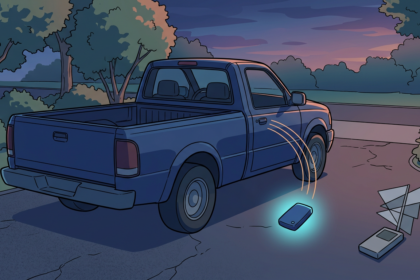
In the 2017 Netflix film iBoy, a teenager with a phone embedded in his brain hacks into a connected car, trapping the occupants inside by taking control of the infotainment system, engine, and airbags. While the premise of a human brain fused with technology is pure science fiction, the car hacking methods depicted in the movie are grounded in real world vulnerabilities. The attack begins with the infotainment system, a common entry point in modern vehicles, and escalates to controlling the engine, locking doors, and deploying the airbag all through remote access. This sequence highlights a growing concern for automotive security engineers and OEMs: the convergence of connectivity and control in vehicle architecture.

Contents
The Scene That Mirrors RealityHow Remote Attacks Can Target Critical SystemsImplications for Passenger Safety and Automotive Design

How Remote Attacks Can Target Critical Systems

The film showcases a scenario where a hacker uses the infotainment system as a gateway to more dangerous vehicle functions. In reality, connected and autonomous cars often rely on externally accessible controllers like Bluetooth, WiFi, or cellular modems. If any of these entry points are vulnerable, an attacker could theoretically manipulate the engine, radio, airbags, or door locks. The on board diagnostics port, commonly used for maintenance, also provides a pathway to tamper with safety critical components such as airbags. This exposes a urgent need for robust security measures to prevent unauthorized access from bridging the gap between entertainment systems and vehicle control systems.

Implications for Passenger Safety and Automotive Design

The iBoy scenario underscores the tension between consumer desire for connected car features and the imperative for passenger safety. As vehicles become more software defined and reliant on over the air updates, the attack surface expands. Car manufacturers must prioritize security in the design phase, implementing safeguards like network segmentation to isolate infotainment from critical systems, intrusion detection to monitor for anomalies, and secure boot processes to prevent firmware tampering. For fleet managers and tier 1 suppliers, the lesson is clear: connectivity without proper security invites real world risks that can compromise both vehicle operation and occupant safety.

Source: Karambasecurity
Join Our Newsletter
Subscribe to our newsletter to get our newest articles instantly!
Share This Article
Facebook Email Copy Link

Follow US

Find US on Social Medias
FacebookLike
XFollow
YoutubeSubscribe
TelegramFollow
- Advertisement -
Ad image

You Might Also Like

Cybersecurity

Stellantis and Microsoft Expand Partnership to Tackle Automotive AI Security

By
ctadmin
May 17, 2026
Cybersecurity

When Hollywood Meets Reality: Assessing the Plausibility of Remote Car Hacking Shown in iBoy

By
ctadmin
May 17, 2026
Cybersecurity

ECU Hardening Offers Alternative to CAN Protocol Replacement for Automotive Security

By
ctadmin
May 19, 2026
Cybersecurity

Volkswagen Golf EV Delayed Again as SSP Software Platform Stalls

By
ctadmin
May 17, 2026
Cybersecurity

Tokyo Connected Car Security Seminar Tackles ECU Hardening and Autonomous Protection

By
ctadmin
May 17, 2026
Cybersecurity

Stellantis Deploys AI Digital Twins Across Global Plants with Nvidia and Accenture

By
ctadmin
May 19, 2026
logo-ct

© 2026 CarThreat.com. All rights reserved.

Welcome Back!

Sign in to your account

Username or Email Address
Password

Lost your password?