

logo-ct
Sign In
  • Home
  • Cyber
    CyberShow More
    Volvo EX60 Camera Feed Gets Real Time AI Interpretation via Google Gemini
    May 20, 2026
    Ecarx and May Mobility Partner on Level 4 Computing for Robotaxi Fleet
    May 20, 2026
    Vector Solectrix Collaboration Targets ADAS and Autonomous Driving Validation
    May 20, 2026
    Stellantis Deploys AI Digital Twins Across Global Plants with Nvidia and Accenture
    May 19, 2026
    Unlocking QNX IFS Images for Binary Whitelisting in Automotive Embedded Systems
    May 17, 2026
  • Physical
    PhysicalShow More
    Hacking the Rivian For Good (and Safety!)
    May 17, 2026
  • EV & Infra
  • Research
    ResearchShow More
  • Culture
    CultureShow More
  • Reviews
    ReviewsShow More
  • About
    • Contact US
    • Search Page
    • 404 Page
Notification
Cybersecurity

From Screen to Street: How a Netflix Film Exposes Real Car Hacking Risks

Cybersecurity

ECU Hardening Offers Alternative to CAN Protocol Replacement for Automotive Security

Cybersecurity

When Hollywood Meets Reality: Assessing the Plausibility of Remote Car Hacking Shown in iBoy

Cybersecurity

Tokyo Connected Car Security Seminar Tackles ECU Hardening and Autonomous Protection

Font ResizerAa
CarThreatCarThreat
  • Voices & Reviews
  • Physical Security
  • Electric Vehicles
  • Buyer’s Guide
  • Cybersecurity
  • Policy & Compliance
Search
  • Categories
    • Cybersecurity
    • Physical Security
    • Policy & Compliance
    • Voices & Reviews
    • Electric Vehicles
  • Forums
    • General Car Discussion
    • Performance and Tuning
    • Repairs & Maintenance
    • Accessories
  • More Foxiz
    • Blog Index
    • Sitemap
Sign In Sign In
Follow US
©2025 CarThreat.com. All rights reserved.
Cybersecurity

When Hollywood Meets Reality: Assessing the Plausibility of Remote Car Hacking Shown in iBoy

ctadmin
Last updated: May 17, 2026 9:17 am
By
ctadmin
3 Min Read
SHARE

The iBoy Scenario: A Technical Breakdown

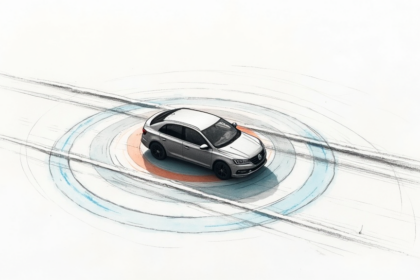
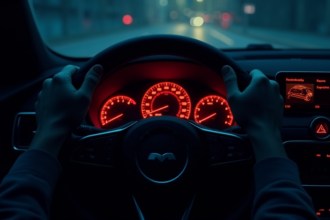
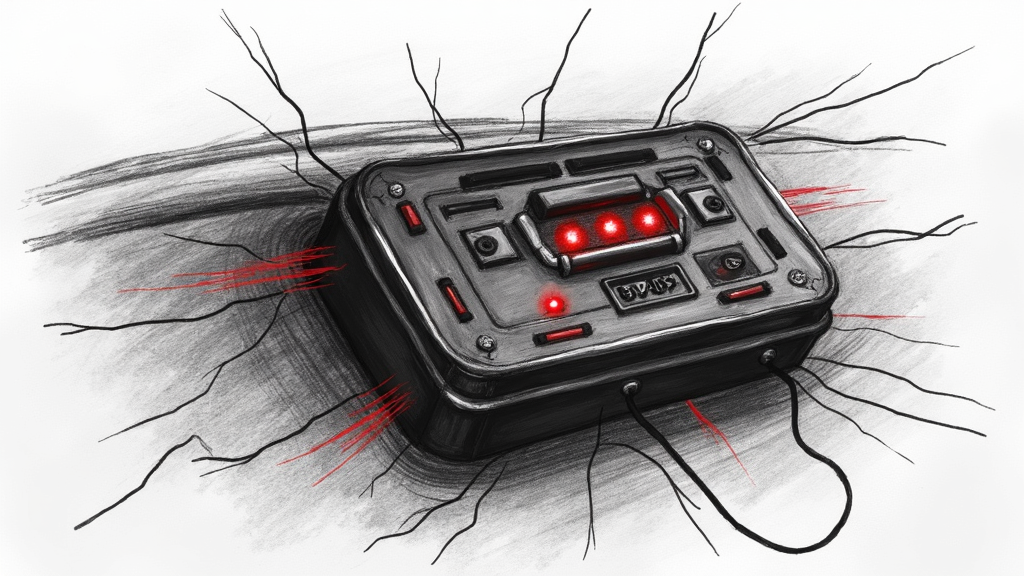
The 2017 Netflix film iBoy dramatizes a scenario where a teenager with phone fragments embedded in his brain remotely takes control of a car. He locks the occupants inside, starts the engine to overheat it, deploys the airbag, and speaks through the radio. While the premise of a brain-phone interface is pure science fiction, the individual vehicle control actions depicted are grounded in real vulnerabilities present in many modern connected cars. The attack chain begins by compromising the infotainment system, which serves as the entry point. From there, the attacker gains access to the Controller Area Network (CAN bus), enabling commands to be sent to the engine control unit, airbag module, door locks, and the audio system. Each of these subsystems can be manipulated if the gateway between the telematic unit and the vehicle network lacks proper segmentation or authentication.

Contents
The iBoy Scenario: A Technical BreakdownReal World Preconditions for Such an AttackImplications for Automotive Cybersecurity

Real World Preconditions for Such an Attack

Translating the iBoy scenario to reality requires two key conditions. First, the vehicle must be a connected or autonomous car with externally accessible controllers such as WiFi, Bluetooth, or cellular modems. Second, those controllers must contain exploitable vulnerabilities that allow code execution or unauthorized command injection. Research has repeatedly demonstrated that once an attacker gains access to an infotainment system with network connectivity, they can pivot to safety critical ECUs. Engine tampering, airbag deployment, and lock control have all been shown in controlled experiments and documented attack research. The onboard diagnostics port also provides a direct physical path to manipulate these same components, though remote attack vectors are more concerning for widespread threats. The film’s depiction of an engine being run to the point of fire is an extreme but technically possible outcome if an attacker can override thermal management safeguards and ignore warning signals.

Implications for Automotive Cybersecurity

The iBoy narrative serves as a useful educational tool for automotive security engineers and OEM security teams. It highlights why isolation between the infotainment domain and the vehicle control domain must be enforced through hardware security modules and secure gateways. As vehicles add more connectivity options including 5G, V2X, and over the air update capabilities, the attack surface expands. ISO 21434 compliant development processes require threat analysis and risk assessment for each external interface. The film underscores the need for runtime integrity monitoring on ECUs, secure boot chains, and message authentication on the CAN bus to prevent exactly the kind of cross domain attacks shown on screen. While a brain embedded phone remains fantasy, the automotive industry must treat the demonstrated attack patterns as serious design constraints.

Source: Karambasecurity

Join Our Newsletter
Subscribe to our newsletter to get our newest articles instantly!
Share This Article
Facebook Email Copy Link

Follow US

Find US on Social Medias
FacebookLike
XFollow
YoutubeSubscribe
TelegramFollow
- Advertisement -
Ad image

You Might Also Like

Cybersecurity

Deterministic ECU Protection: Preventing Exploits Without Redesigning CAN Bus Communication

By
ctadmin
May 17, 2026
Cybersecurity

EcoMotion Panel Explores Self Protecting ECUs as Alternative to Network Security

By
ctadmin
May 17, 2026
Cybersecurity

ECU Hardening Offers Alternative to CAN Protocol Replacement for Automotive Security

By
ctadmin
May 19, 2026
Cybersecurity

The Hidden Security Risk in Car Recycling: How OBD Commands Expose Connected Vehicles

By
ctadmin
May 17, 2026
Cybersecurity

Unlocking QNX IFS Images for Binary Whitelisting in Automotive Embedded Systems

By
ctadmin
May 17, 2026
Cybersecurity

Vector Solectrix Collaboration Targets ADAS and Autonomous Driving Validation

By
ctadmin
May 20, 2026
logo-ct

© 2026 CarThreat.com. All rights reserved.

Welcome Back!

Sign in to your account

Username or Email Address
Password

Lost your password?