



How It Works
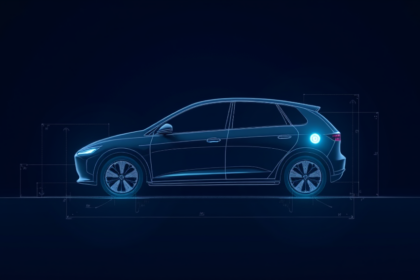
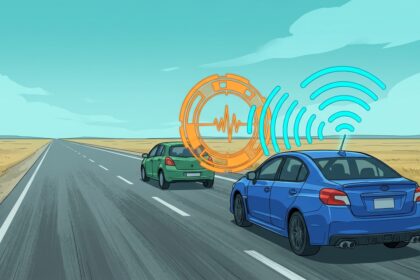
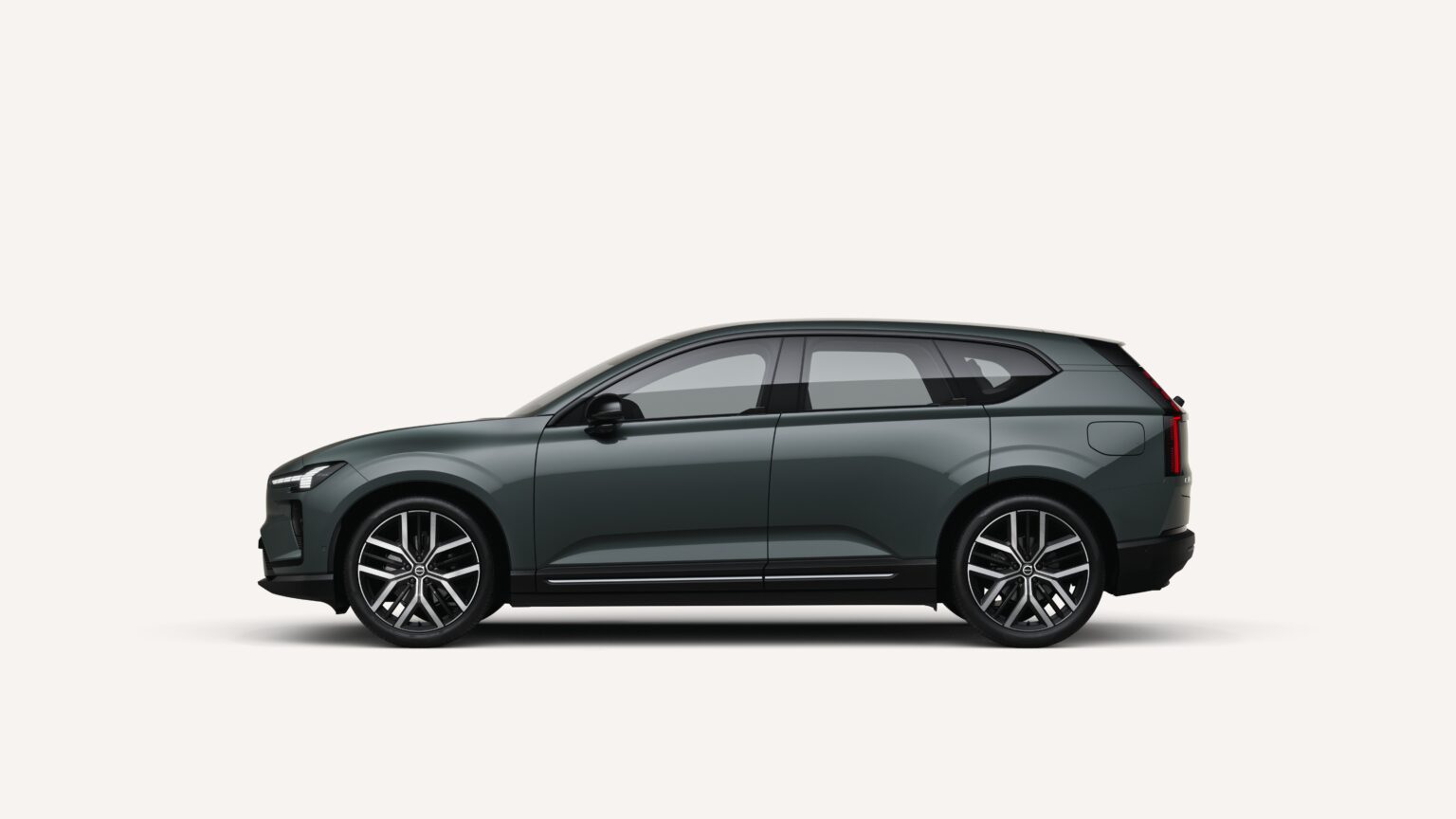
Volvo Cars and Google have demonstrated a pioneering integration of the Google Gemini AI model with the exterior cameras of the Volvo EX60 SUV. The system, unveiled at Google’s I/O developer conference, enables the AI to interpret the vehicle’s surroundings in real time and respond to driver queries about road signs, landmarks, or nearby businesses. For example, in the demonstration, Gemini read parking signs and explained restrictions, time limits, and permit rules to the driver.
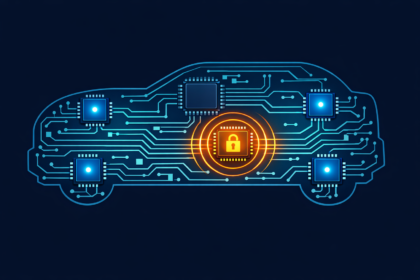
The EX60’s onboard neural processing unit (NPU) and software-defined architecture process the AI tasks, supporting Gemini’s multi-modal interpretation of both camera and voice inputs. This allows the system to combine visual data from the cameras with natural language queries from the driver, creating a contextually aware interaction that goes beyond simple navigation prompts.
Impact on Connected Vehicle Architecture
This integration represents a significant step in bringing advanced AI models directly into the vehicle’s edge computing environment rather than relying solely on cloud connectivity. By running Gemini locally on the EX60’s NPU, Volvo aims to reduce latency and enhance privacy for camera data processing. Alwin Bakkenes, Head of Global Software Engineering at Volvo Cars, stated that the EX60 provides an ideal platform to explore contextually aware driving experiences, and working closely with Google helps bring AI advances into the automotive environment faster.
Volvo will also be among the first OEMs to ship Google Maps’ Immersive Navigation, which offers 3D renderings of buildings, tunnels, and overpasses with voice guidance referencing real world landmarks. This feature will launch on the EX60, EX90, and ES90 models. For automotive security engineers, this highlights the need to secure the data pipeline between cameras, local AI processing, and cloud services, as well as to ensure that third party AI models do not introduce vulnerabilities into the vehicle’s software defined architecture.
Source: Automotiveworld