

Platform Delays Push Golf EV Past 2030
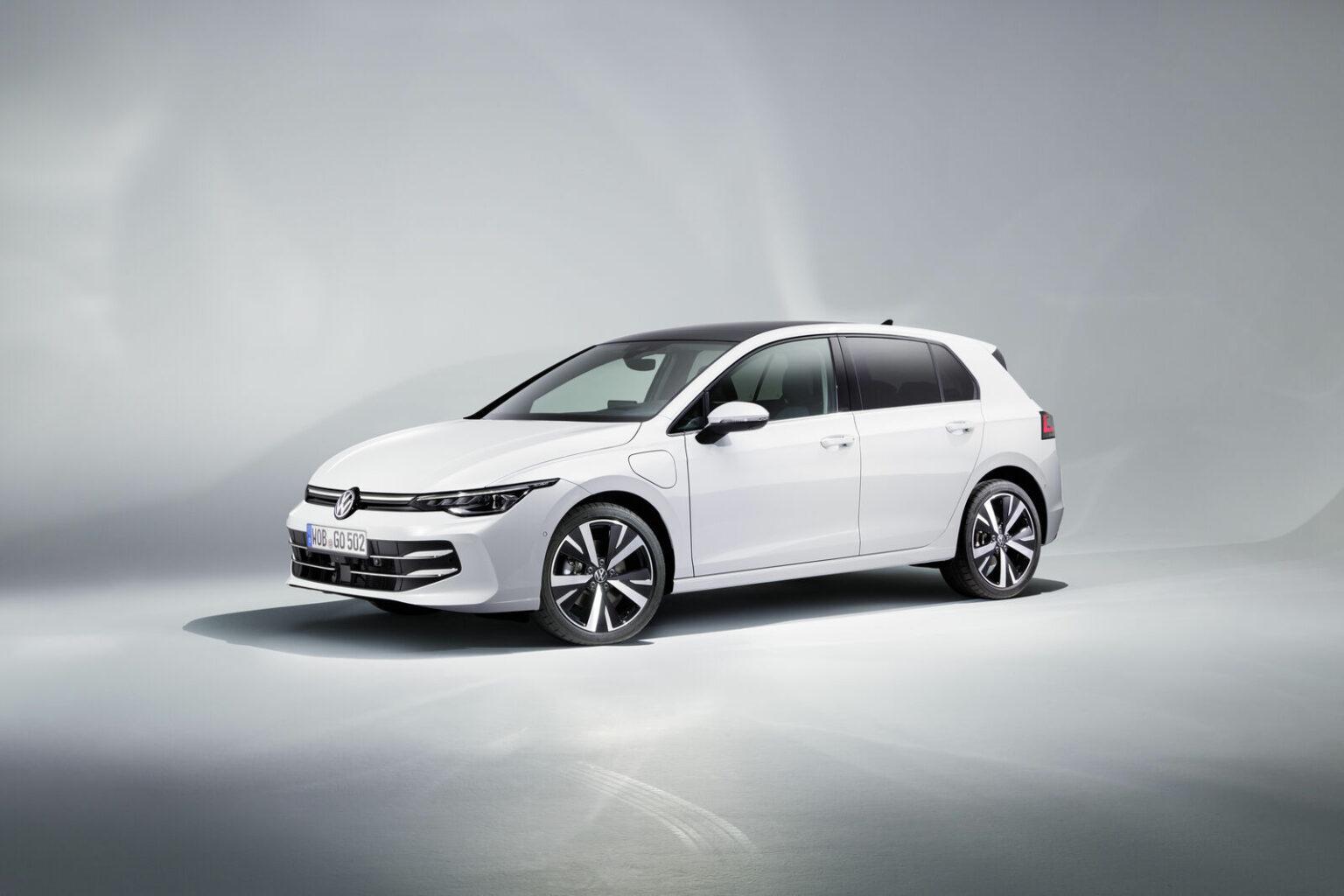
Volkswagen has delayed the battery-electric version of its iconic Golf model once more, with the vehicle now unlikely to launch until 2030 or later. Brand Chief Executive Thomas Schäfer confirmed the postponement at the Financial Times Future of the Car summit, stating the company does not need an electric Golf in 2028 because its current portfolio is sufficient. The delay is directly tied to the Scalable Systems Platform (SSP), Volkswagen’s next-generation architecture intended to replace the MEB platform used in the ID.3, ID.4, and ID. Buzz. According to Schäfer, SSP will first be deployed in premium models from Audi and Porsche before reaching the core Volkswagen brand, as the company prioritizes scale and margin parity.
Software Architecture and Supply Chain Implications
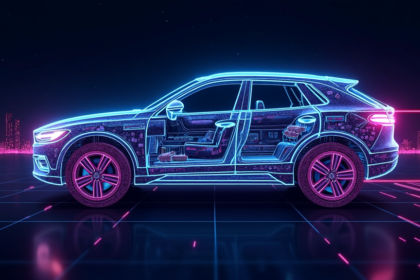
The SSP platform represents a significant architectural upgrade built around 800-volt charging and software-defined vehicle capabilities. Its electrical architecture is being co-developed with Rivian, in which Volkswagen is the largest shareholder. The repeated delays raise concerns about Volkswagen’s ability to compete in the rapidly evolving EV market, particularly against Chinese automakers that are moving faster to market. For automotive cybersecurity engineers, the SSP’s software-defined architecture and Rivian co-development partnership introduce new attack surfaces and supply chain security considerations. The platform’s reliance on complex over-the-air update systems and interconnected electrical components will require robust threat modeling and compliance with standards like ISO 21434. The extended timeline also means older MEB-based vehicles will remain in production longer, potentially leaving known vulnerabilities unaddressed on older architectures.
Source: Automotiveworld