



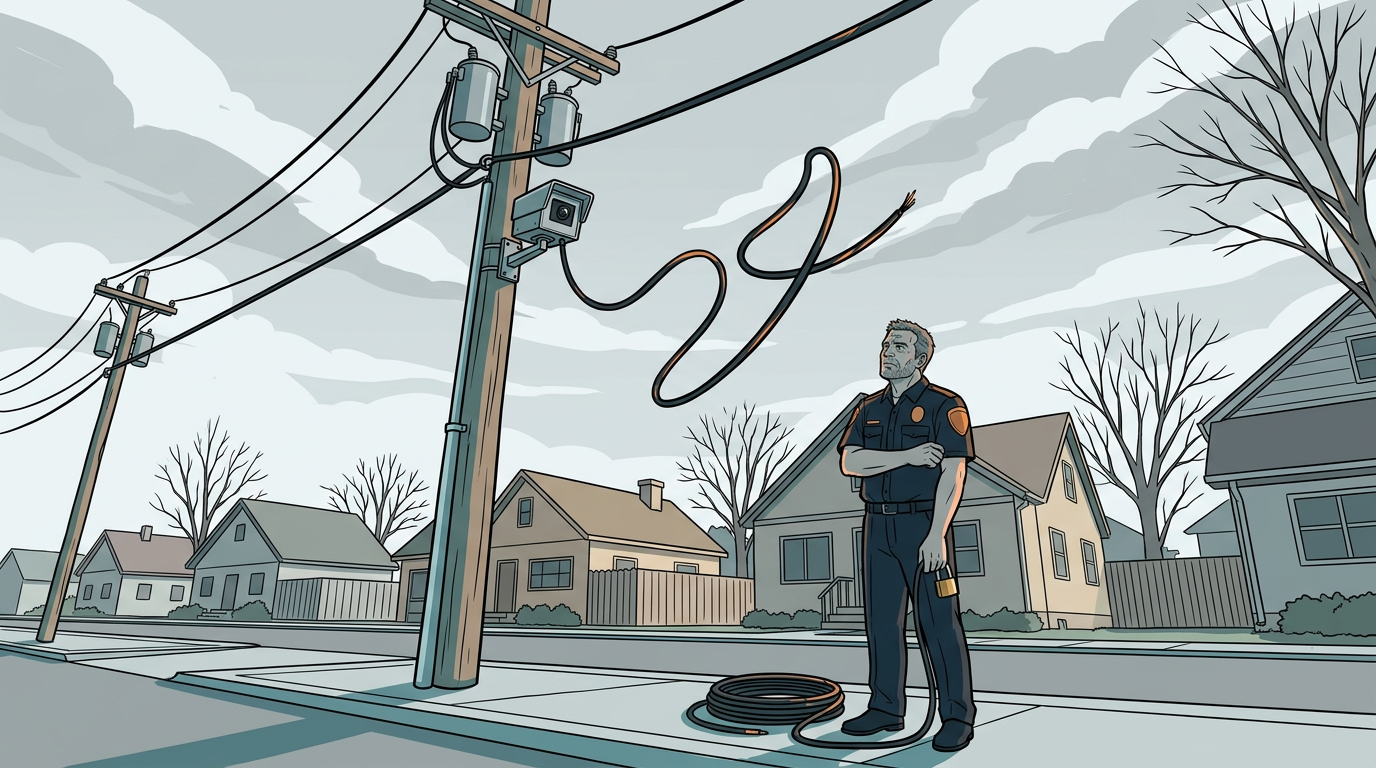
The cameras stayed on the poles, so the power cords came out of the wall. Plymouth, Minnesota voted 6-1 on September 22 to end its use of 16 permanent Flock plate readers. Ten days later the city had heard nothing back, and Police Chief Erik Fadden told his staff to disconnect them.
Fadden said that after more than a week of silence she told her staff to pull the power cords on the cameras so she could be certain they were neither operating nor logging plates. The hardware remains bolted to city poles because the subscription model leaves Flock owning it.
Plymouth shut down every police account on the platform the day after the vote, checked with its city attorney, and posted a formal cancellation letter by mail and email. Only a local Flock representative replied. The city also stopped sharing plate data with roughly 36 other agencies.
Twenty miles away, Dayton shows a harder version of the same failure. On September 18 the city informed Flock the program sat on hold, with no maintenance work orders to be carried out. A camera returned to service anyway, and officials later found a second one had been reinstalled without their knowledge.
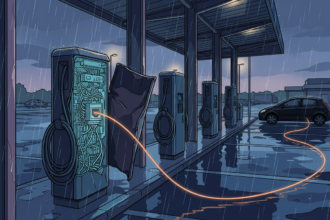
Elgin Community College in Illinois went through it for months. Staff covered the cameras with black bags and zip ties, and workers in an unmarked vehicle kept pulling the coverings off, according to Chicago Public Media.
The pattern turns a procurement decision into a physical-security problem for the cities involved. A deactivated account is not the same as a dead lens, and the difference is only visible to whoever holds the pole.