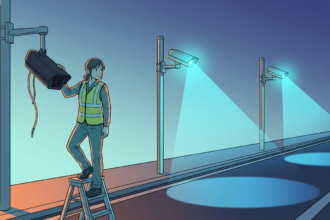
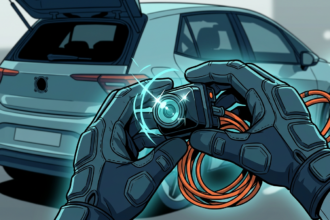
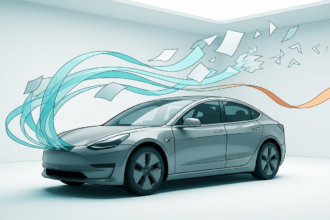
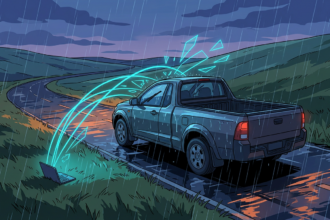

Owner consent is the price of entry for a BMW scheme that now spans Europe: cars in customers’ hands send the automaker short bursts of camera footage, which its engineers use to sharpen driver assistance and partial automation.
Only Neue Klasse cars qualify, because they carry the camera, sensor and computing hardware needed to read the road around them. BMW’s iX3 and i3 are already enrolled. The latest X5 and the refreshed 7 Series joined them, and more nameplates will follow. Collection has run in EU member states since April.
Nothing records around the clock. Triggers are narrow: a hard brake, a sudden swerve, an automatic emergency braking event, or an assistance system catching a collision during a lane change. Once one fires, the car can send up to 120 seconds of exterior video, reads from environmental sensors, and driving data covering speed, heading and steering angle.
BMW frames the payoff as better cars. No simulator or development fleet reproduces every real-world traffic situation, and cars driven by customers meet scenarios that engineers never anticipated.
Privacy is where the argument lands. BMW says its design keeps drivers anonymous. Owners must opt in before anything is captured, and the vehicle identification number is stripped out the moment footage reaches the company’s IT backend. Even so, the program widens the flow of street-level imagery into a corporate pipeline, a category that has drawn regulatory attention as connected-car data rules tighten.