
CarThreat
  • Home
  • News
  • Features
  • Spotlight
  • Events
  • About
    • Our Mission
    • Services
    • Contact
Notification
  • Autonomous Driving
  • Automotive Ethernet
  • BMS
  • ECU
  • EV
  • ISO/SAE 21434
  • Infotainment
  • OTA Updates
  • OBD-II
  • Pwn2Own
  • RCE
  • SDVs
  • TCU
  • UNECE R155
Cybersecurity

Boston police tested Motorola and Axon readers as Flock exited

Cybersecurity

Leapmotor EVs carry cameras from a supplier Australia banned

Policy & Compliance

BYD rewrites Australian privacy policy after Four Corners questions

Cybersecurity

A passwordless port let a researcher command a moving BYD ute

Font ResizerAa
CarThreatCarThreat
  • Home
  • News
  • Features
  • Spotlight
  • Events
  • About
Search
  • Home
  • News
  • Features
  • Spotlight
  • Events
  • About
    • Our Mission
    • Services
    • Contact
Sign In Sign In
Follow US
© 2026 Carthreat.com. All right reserved.
Policy & Compliance

Israel issues first driver guide against connected car hacks

The Transportation Ministry's new advice tells drivers to check paired Bluetooth devices every two weeks and map the four main car hacking entry points.

CarThreat Staff
Last updated: September 6, 2026 8:59 pm
By
ctadmin
1 Min Read
SHARE

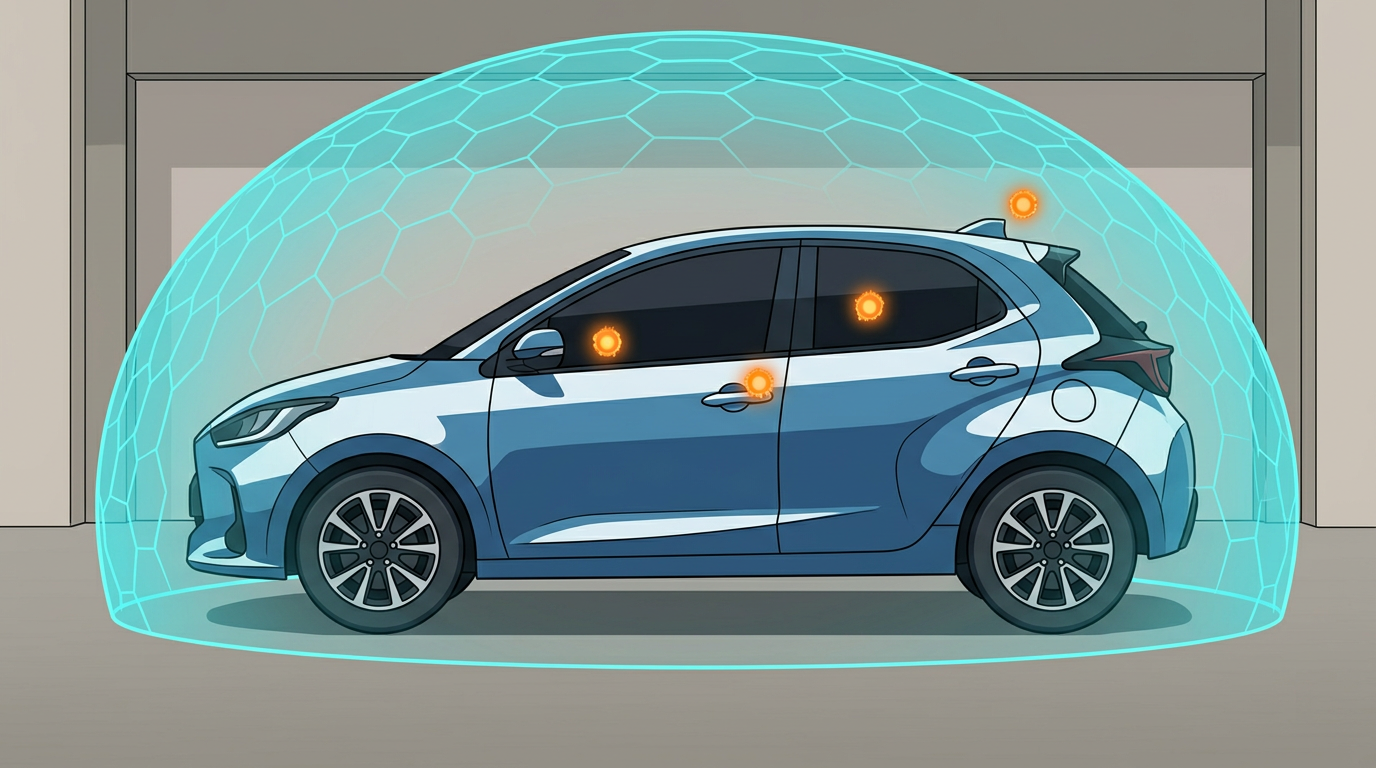
With cars turning into network endpoints, Israel’s Transportation Ministry has published its first cyber guidance for drivers plus new rules of the road for garages and service chains.

The advice sheet maps four ways attackers typically get in: multimedia systems exposed through installed files and apps, the OBD diagnostic port, smart keys that can be copied, and wireless links such as Wi-Fi and Bluetooth. It also flags over-the-air update flows and electric vehicle charging stations as possible attack channels, warning that hijacked vehicle functions could feed ransomware campaigns or worse.

Owner habits get equal billing: a fortnightly scan of paired Bluetooth devices, hotspots disabled whenever possible, fixed passwords on multimedia systems that demand persistent connections, and a wary eye for symptoms like systems booting on their own or unfamiliar on-screen notices.

Garages and service chains receive their own defense guidance, and the ministry is layering on new cyber requirements for the automotive industry, pushing security responsibilities across owners, repair shops, and vehicle design alike.
Join Our Newsletter
Subscribe to our newsletter to get our newest articles instantly!
TAGGED:Bluetooth SecurityConnected VehiclesCybersecurityDigital KeysOBD-IIOTA UpdatesRegulations
SOURCES:Calcalistech
Share This Article
Facebook Email Copy Link

Follow US

Find US on Social Medias
FacebookLike
XFollow
YoutubeSubscribe

You Might Also Like

Cybersecurity

AI rebuilds LiDAR vision while jammers blind self-driving sensors

By
ctadmin
August 13, 2026
Cybersecurity

Boston police tested Motorola and Axon readers as Flock exited

By
ctadmin
September 21, 2026
Cybersecurity

Florida demands plate readers off highways within 30 days

By
ctadmin
September 1, 2026
Cybersecurity

Plate data misuse costs a San Jose officer his badge

By
ctadmin
September 14, 2026
Cybersecurity

Light-bending film redirects self-driving sensors into oncoming traffic

By
ctadmin
August 10, 2026
Policy & Compliance

Texas halts highway permits for new plate reader cameras

By
ctadmin
September 20, 2026

CarThreat

Intelligence for the EV and automotive security market
  • News
  • Features
  • Spotlight
  • Events
  • About Carthreat
  • Our Mission
  • Services
  • Contact Us
  • OBD-II
  • Automotive Ethernet
  • TCU
  • Infotainment Systems
  • SDVs
  • BMS
  • ECU Security
  • CAN Bus
  • Vulnerabilities
  • Relay Attacks
  • RCE
  • Threat Intelligence
  • Cybersecurity
  • Digital Keys
  • Bluetooth Security
  • OTA Updates
  • ISO/SAE 21434
  • UNECE R155
  • Regulations
  • Data Privacy
  • EVs
  • Autonomous Driving
  • Pwn2Own Automotive

© 2026 Carthreat.com. All right reserved.  Privacy Policy | Legal

Welcome Back!

Sign in to your account

Username or Email Address
Password

Lost your password?