Senator Jeff Merkley reintroduced the Car Privacy Rights Act on October 2, reviving a push to write national privacy rules for the data modern cars generate.
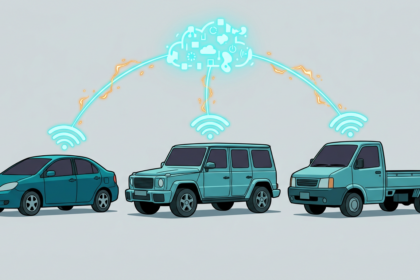
The Oregon Democrat frames the bill as a response to an industry that collects, stores and sells vehicle data without drivers knowing. His office cites reporting that automakers sell that information to insurers, affecting premiums and auto loans.
“Folks shouldn’t have to give up their privacy every time they get behind the wheel,” Merkley said. “Car companies have no business collecting and profiting from personal information without the driver’s knowledge or consent.”
The measure would limit what automakers, insurers and connected applications may gather to what is needed to deliver essential products and services. It would require explicit consent before a company sells or shares car data, let owners access their own records and see which third parties received them, and offer a clear way to opt out of collection altogether.
The reintroduction lands in a crowded season for connected-car privacy. A Northeastern University study with Consumer Reports found cars and their companion apps feeding identifiers, location and contact details to advertising and analytics firms. The Federal Trade Commission has already acted against General Motors over data handling.
The bill has no companion in the House yet, and its path through a divided Senate is uncertain. Even so, it marks one of the clearest attempts to treat a vehicle as a privacy boundary rather than only a connected device.