



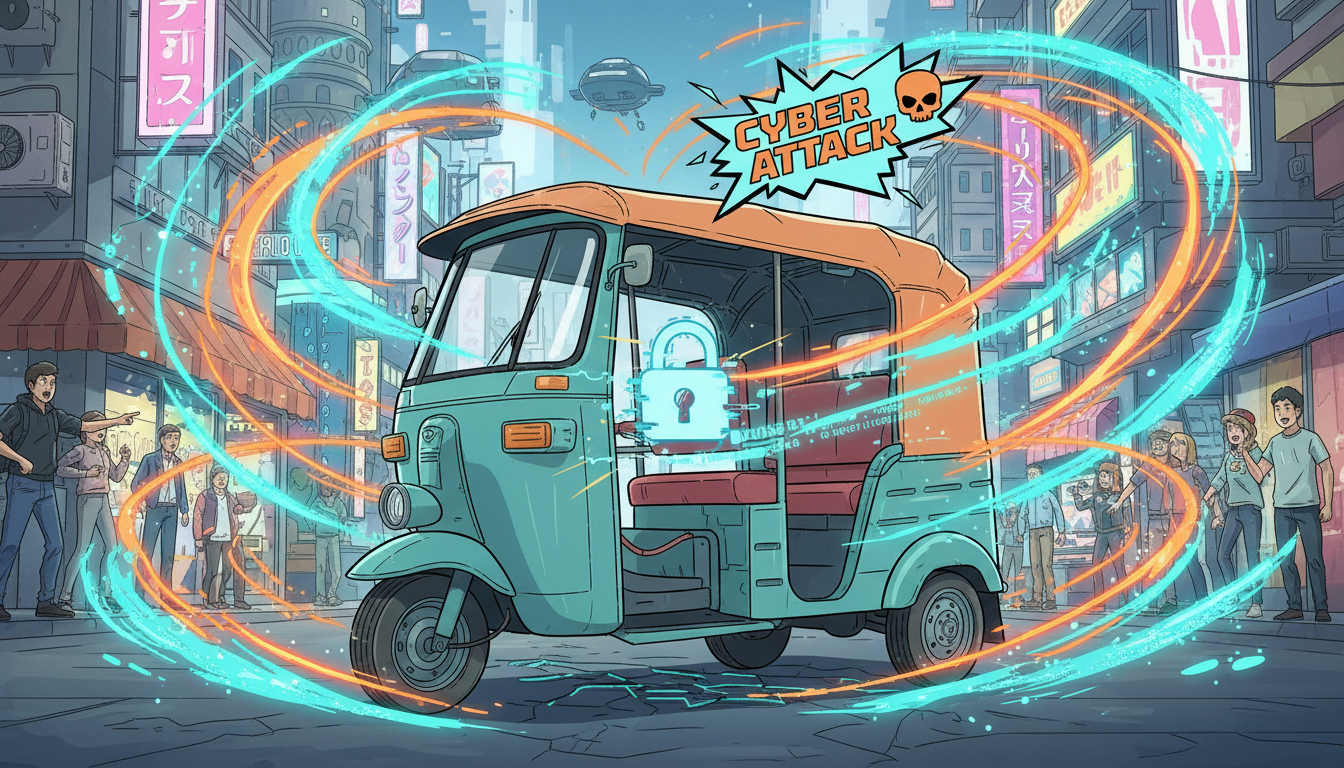
A recent controversy over e-rickshaws allegedly being stalled remotely through battery-management apps has exposed a worrying reality: weak cybersecurity can leave electric vehicles vulnerable to remote tampering.
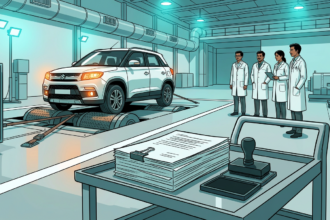
Automakers and component suppliers have been asked to conduct full security audits following the incident, which highlights how even basic connected vehicle systems can be exploited. The e-rickshaw hack involved attackers manipulating battery management software to disable vehicles remotely, with the dashboard appearing normal to the driver.
The incident serves as a wake-up call for the EV industry as vehicles become increasingly connected through telematics, over-the-air update systems, and smartphone-based control apps. While e-rickshaws represent a lower-cost segment, the same vulnerabilities could affect higher-end EVs that rely on similar battery management and connected app architectures.
Security researchers have long warned that the rapid push toward electrification and connectivity is outpacing cybersecurity safeguards. The e-rickshaw case demonstrates that no vehicle segment is immune, and that basic security measures such as authentication hardening, encryption, and regular security audits are essential across all EV categories.