


The Scope of the Recall
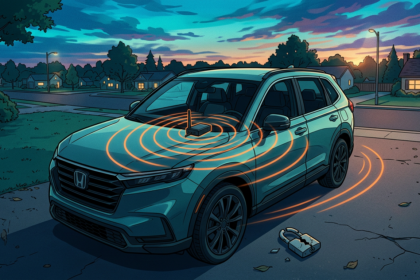
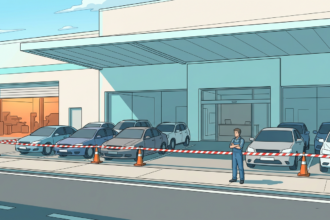
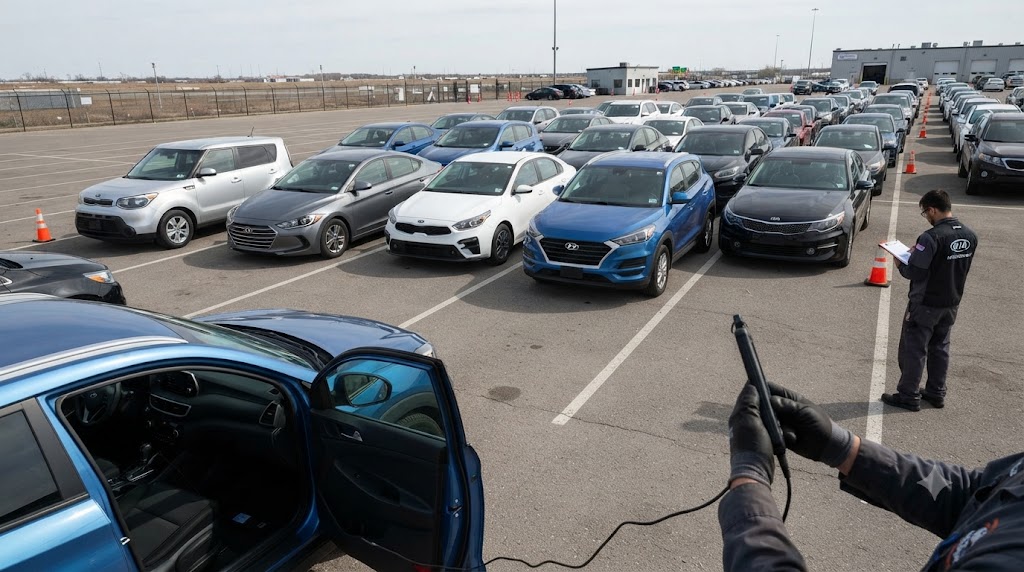
The Kia and Hyundai theft vulnerability has escalated into a formal recall covering 9 million vehicles. This action addresses a known security flaw that has been actively exploited in widespread vehicle thefts. The scale of this recall marks one of the largest automotive security failures in modern history, transforming what was a rolling crisis into a formally documented defect.
The formal recall designation brings regulatory oversight from the National Highway Traffic Safety Administration (NHTSA). It creates a legal record of the defect and establishes the manufacturers’ obligation to remedy all affected vehicles. This status also impacts insurance negotiations and ongoing lawsuits filed by multiple cities and affected owners.
Technical and Remediation Challenges
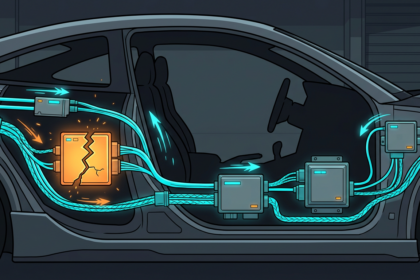
The core issue remains that millions of Kia and Hyundai vehicles were sold without engine immobilizers, a standard security feature on most other vehicles of the same era. This cost cutting measure left the vehicles vulnerable to a simple theft method using a USB cable. The software update provided as the primary remedy does not install a physical immobilizer. Instead, it modifies alarm behavior and ignition sequences to make the theft method more difficult. This is an imperfect software patch for a fundamental hardware deficiency.
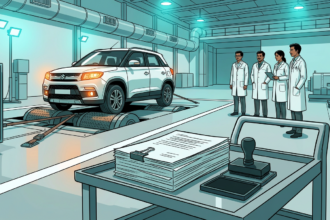
The remediation effort for 9 million vehicles presents a massive logistical challenge. It requires extensive notification campaigns and a large service network to apply the software updates. Recall completion rates for even safety critical issues rarely reach 100 percent. Vehicles that do not receive the update will remain vulnerable and continue to contribute to theft statistics. For affected owners, the recall provides access to the available remedies at no cost.
Source: Yahoo Autos