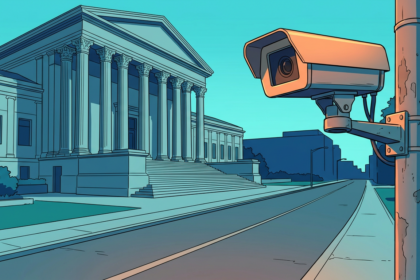




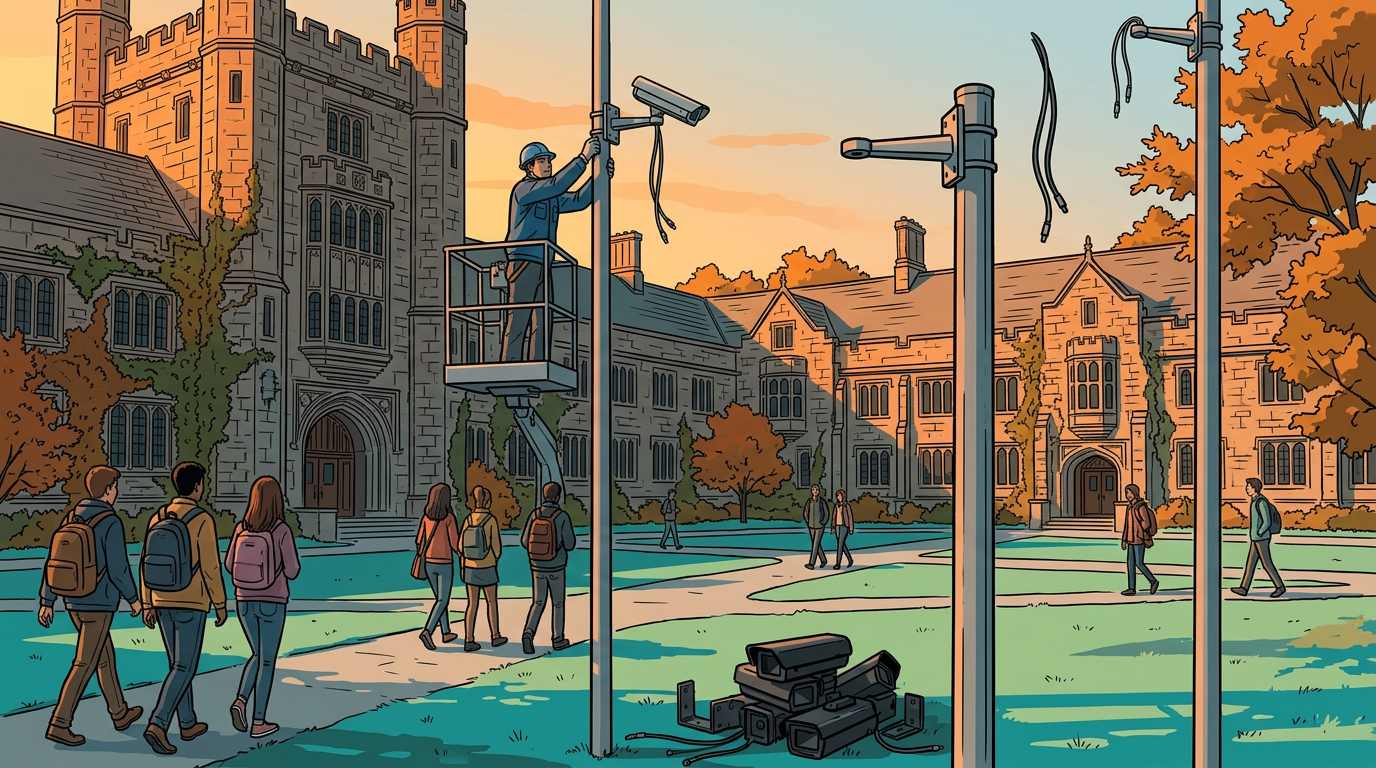
Cornell University has walked away from its plate reader contract, ending an agreement it signed with Flock Safety and preparing to take seven cameras off its Ithaca campus.
The university terminated on October 14, roughly a week before the announcement. Officials framed the removal as a privacy decision and said crews would pull the hardware as quickly as campus safety duties allow.
A county that has already made up its mind
Cornell is late to a local trend rather than ahead of one. Ithaca, Tompkins County, Trumansburg and Cayuga Heights had already moved to end their own arrangements, leaving the university as the last significant holder in the area.
The pattern repeats across New York. Troy passed the state’s first municipal ordinance restricting how plate data can be stored and shared. Lawmakers in Albany have now sent a statewide privacy measure to the governor.
The access question nobody resolved
What drove the decisions was not a breach. It was the architecture. Flock cameras photograph every passing vehicle, log plate, time and location, then let police search the archive and share results with agencies in other cities and states.
A Washington Post investigation counted at least 50 officers accused or charged with misusing plate readers, 46 of them involving Flock systems, often to follow people in their personal lives.
For universities, the calculation differs from a police department’s. A campus camera network sits inside an institution with its own data protection obligations, and a shared search pool means the exposure outlives any single contract. Cornell’s exit removes seven sensors, but the agreements that let other agencies query its data were the part that mattered.