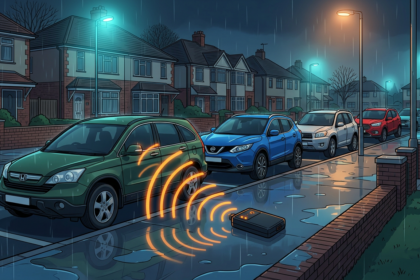

A phrase dropped at a think tank has reframed Britain’s costliest cyber incident. Al Carns, who served as armed forces minister until June, told a Chatham House audience that the disruption which halted Jaguar Land Rover production in 2025 was directed by a government, not a criminal gang.
Carns said his remark drew on no Ministry of Defence assessment. He then offered a different argument altogether: an operation that large could hardly unfold without the host country’s blessing. The distinction matters, because it walks back the certainty of the original claim while leaving the implication standing.
What the shutdown actually cost
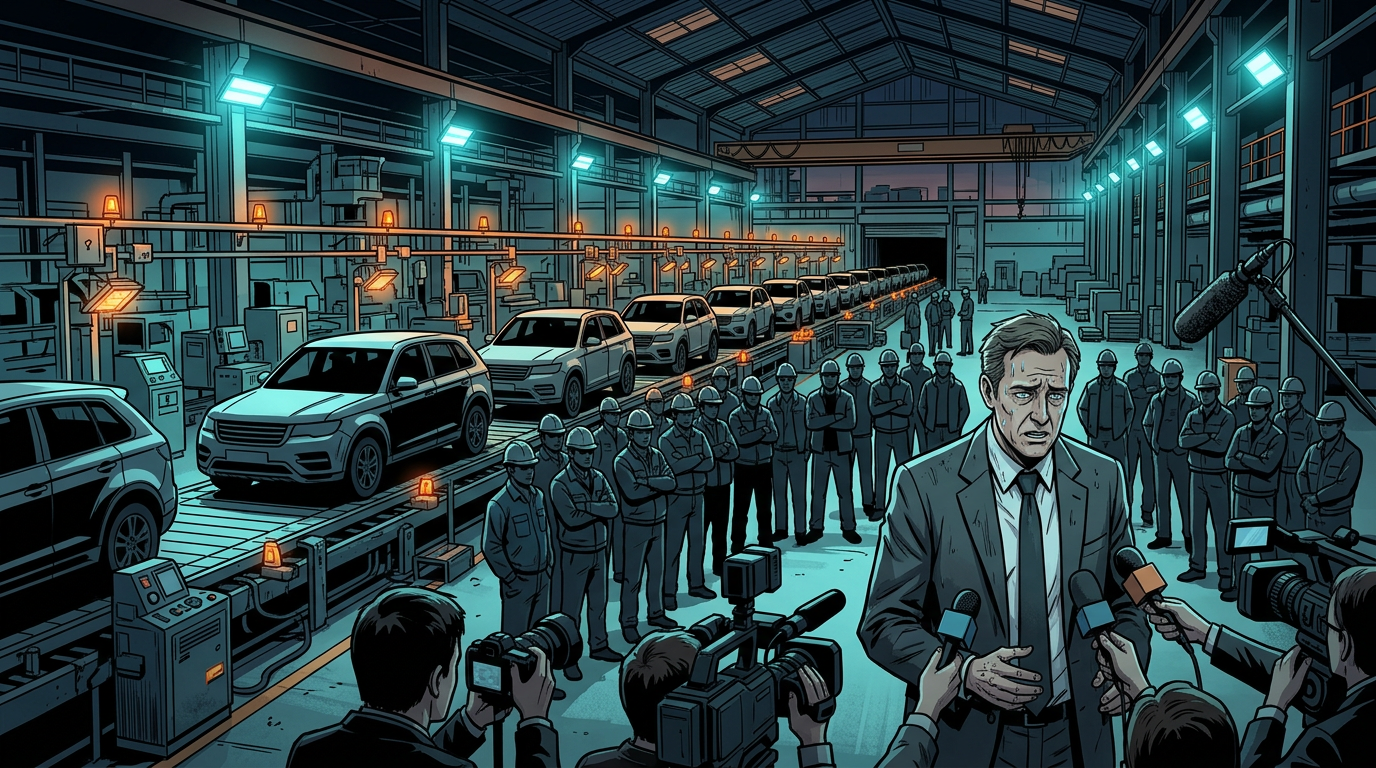
Intruders reached JLR systems in late August 2025. Solihull, Wolverhampton and Halewood went quiet, and the silence ran past five weeks. Range Rover lines turned again in stages from October 8.
The Cyber Monitoring Centre put the wider UK economic loss between GBP 1.6B and GBP 2.1B, spread across roughly 5,000 organisations – parts suppliers, franchised showrooms and repair shops that never touched JLR hardware.
Why ministers would not say it out loud
Earlier press inquiries pointed toward Russian intrusion crews. Sir Chris Bryant, then a business minister, declined to confirm or deny state involvement when MPs pressed him. Officials have kept to the same line since.
David Reed, a shadow defence minister, argued that silence lets hostile governments operate without consequence. A government spokesperson would not discuss live security matters.
For fleet operators and suppliers, the practical takeaway is narrower than the politics. Attribution rarely arrives in time to change a recovery plan. Segmenting production networks from corporate IT, and rehearsing a manual restart, is what actually limited the damage once intruders were inside.