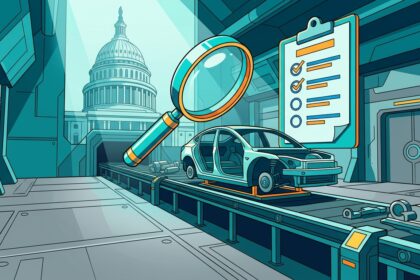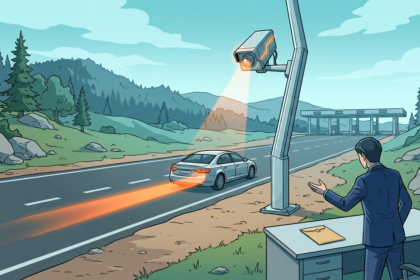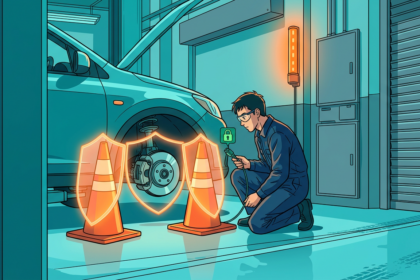
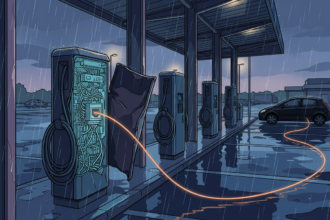


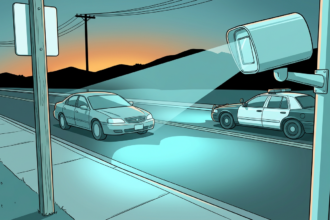


A regional parliament rarely summons its own motor pool as a privacy matter. In Saxony, the BSW group has done exactly that, pressing the state government over what the sensors inside its official cars record, police cruisers included.
The Saechsische Zeitung reported the push on October 22 and found that Saxony’s data protection commissioner is now weighing whether to intervene. The vehicles under scrutiny are ordinary modern machines: navigation units, distance and collision warning radars, electronic speed monitoring and driver-drowsiness cameras, the last of which became mandatory on every newly type-approved EU car in July 2026.
Why an official car is different
A private buyer can weigh convenience against collection. An agency cannot. Duty logs that reconstruct which official met whom, and drowsiness sensors that track eyelid movement storage by storage, are administrative data flows that may never have passed a formal assessment. Police vehicles sharpen the point, since their trips trace investigations and the people inside them.
Saxony is not a privacy-lax jurisdiction on paper. Its commissioner publishes explicit limits on dashcams and permanent vehicle surveillance, and the state parliament spent much of 2026 widening police powers over cameras, drones and analytics while arguing those tools would be governed. Vehicle sensors sit right at that boundary.
What would count as a fix
No breach is alleged. The question is procurement and retention: whether contracts name which signals may leave the car, whether trip and cabin data is capped or discarded, and who audits the manufacturer’s back end. Treating a connected fleet car like any other state IT system would mean the state can say where its own data goes.