



Senator Maggie Hassan wants Flock Safety to explain how a company that keeps images for a week can operate lawfully in a state that allows three minutes.
New Hampshire’s plate-reader statute, which Hassan signed as governor in 2016, is among the tightest anywhere. Footage gathered inside the state may not be retained past three minutes unless an operator flags it for a specific investigation. Flock now advertises a seven-day default for everything it captures.
A letter with four questions
The senator wrote to Flock’s chief executive on Thursday asking for a camera count in New Hampshire, a description of what happens to the images, and an explanation of how the company reconciles its retention practice with state limits. She also pressed on plates belonging to Granite Staters that are read by equipment in other states, where no three-minute ceiling applies.
In the letter she argued that the reader network and the databases behind it appear to undercut residents’ privacy rights. Flock did not answer a reporter’s questions about its footprint in the state.
The holes in the count
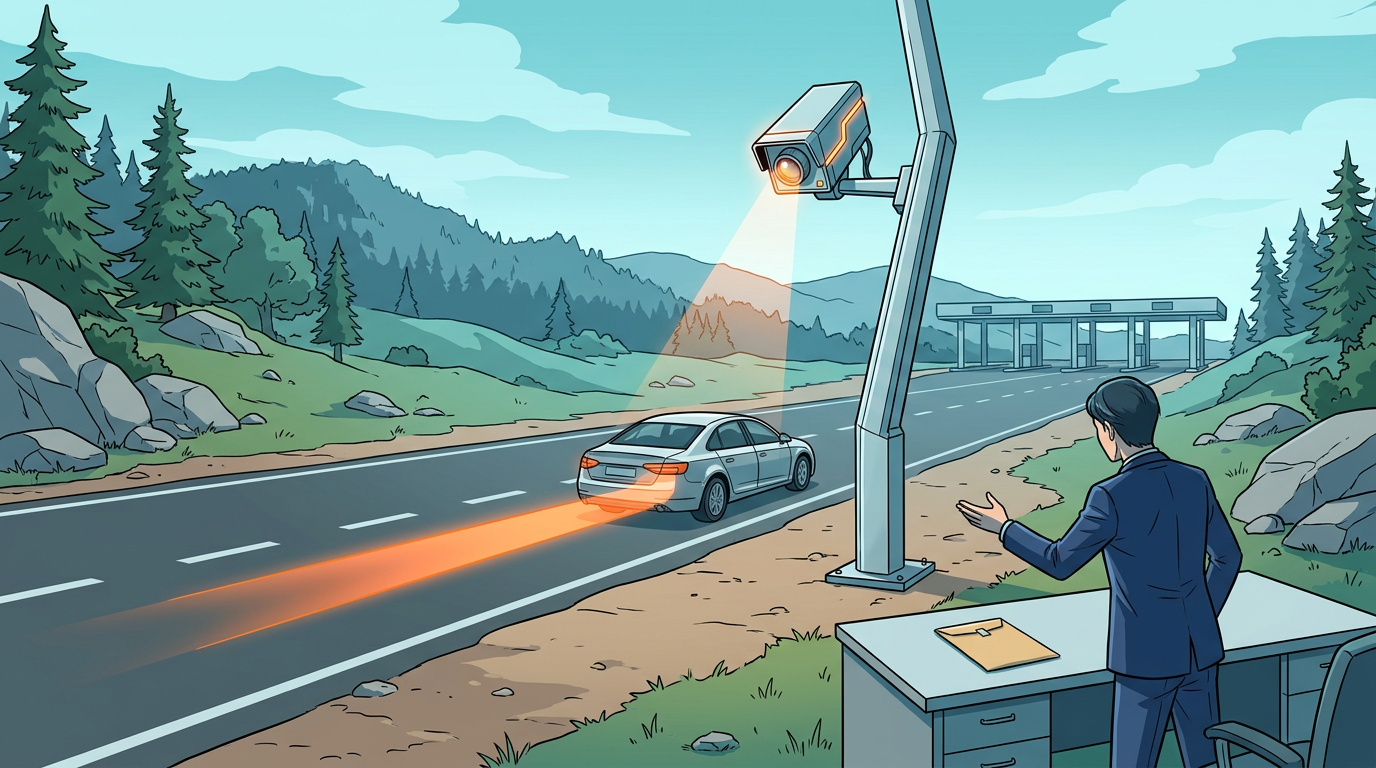
Nobody can say how many readers watch New Hampshire roads. A crowd-sourced DeFlock survey shows only a handful, though its accuracy is unverified. The state’s toll plazas operate scanners that keep images solely to chase unpaid fares, according to the transportation department. Manchester police signed a 2025 memorandum letting them request vehicle details tied to active cases; a lieutenant there says the department neither knows where the units are placed nor controls them directly.
The retention question has teeth because plates are not the only thing captured. Images of Granite Staters taken out of state fall under whatever rules the host jurisdiction imposes, and no federal standard yet exists to close that gap.