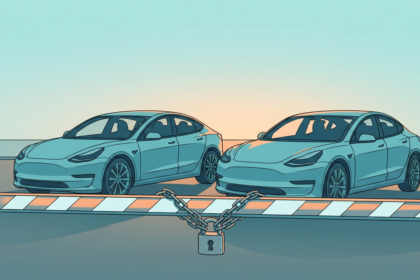




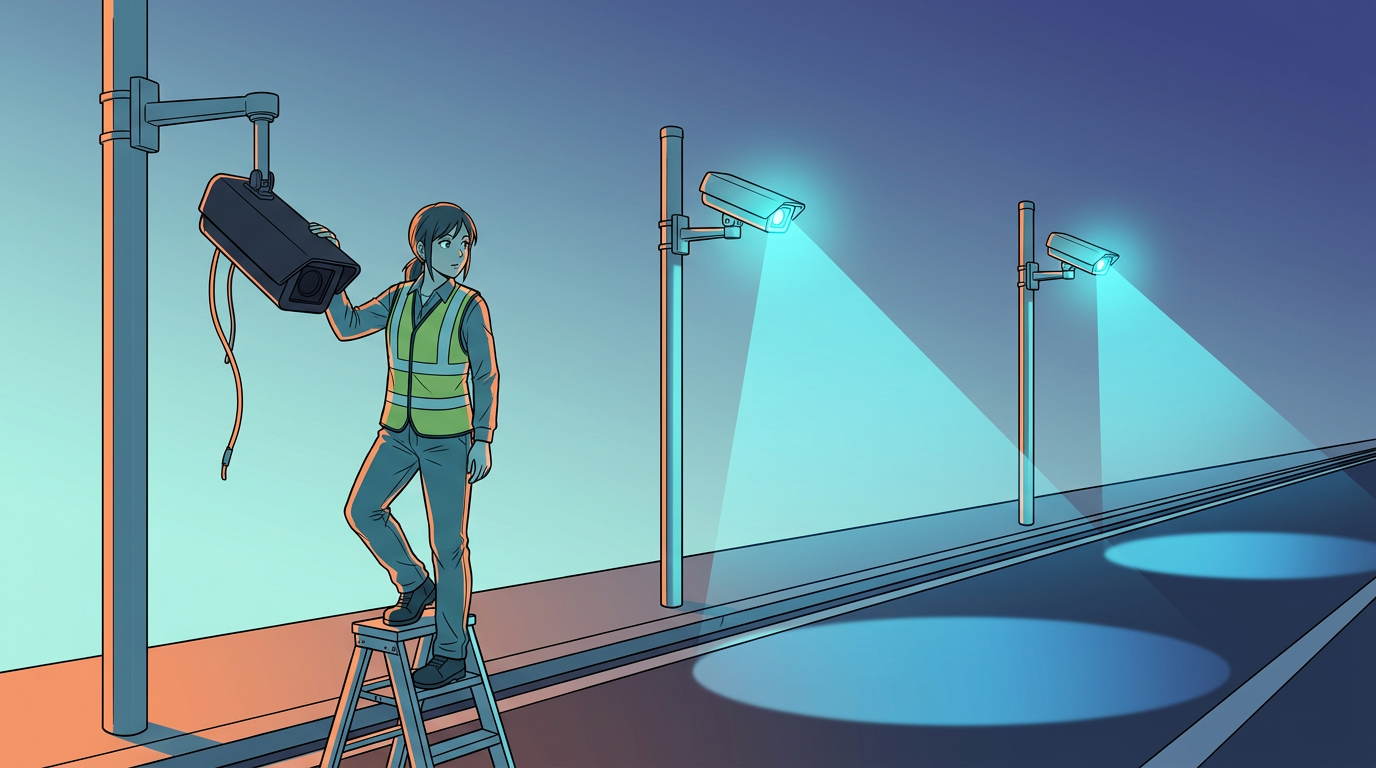
Undisclosed trials with two new vendors were already running inside the Boston Police Department when councilors learned that Flock Safety had mishandled the city’s vehicle data. An annual surveillance report released this week put numbers to both: about 45 Motorola plate readers switched on in February and roughly 30 from Axon from June 1, with no approval sought from the City Council for either.
That matters because Boston’s 2021 surveillance ordinance requires council sign-off before any city department acquires or uses new monitoring technology. Councilor At-Large Julia M. Mejia said the quiet pilots defeat the purpose of oversight and that residents’ data had been handed to a company which failed to protect it.
Flock supplied around 45 plate readers at no cost for a trial running April 1 to September 4, 2025, with data sharing contractually disabled. Three days in, officers discovered outside law enforcement agencies could reach Boston plate and vehicle records. The vendor called it an error. Mayor Michelle Wu said the city had abandoned the platform.
Requests from other agencies during the pilot totaled 77. An internal audit counted 11,004 officer searches of the database, roughly half logged without a case number linking them to a criminal investigation.
Boston is not the only Massachusetts department retreating. Bellingham, Auburn and Stow have suspended or ended Flock contracts; in Stow an officer resigned over personal use of the system, and in New Bedford another was placed on leave over allegations she tracked an ex-girlfriend. Lawmakers on Beacon Hill are now weighing statewide rules on who may reach plate data and when it can leave the state.