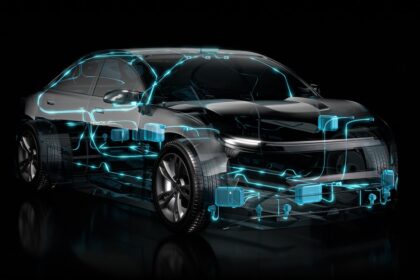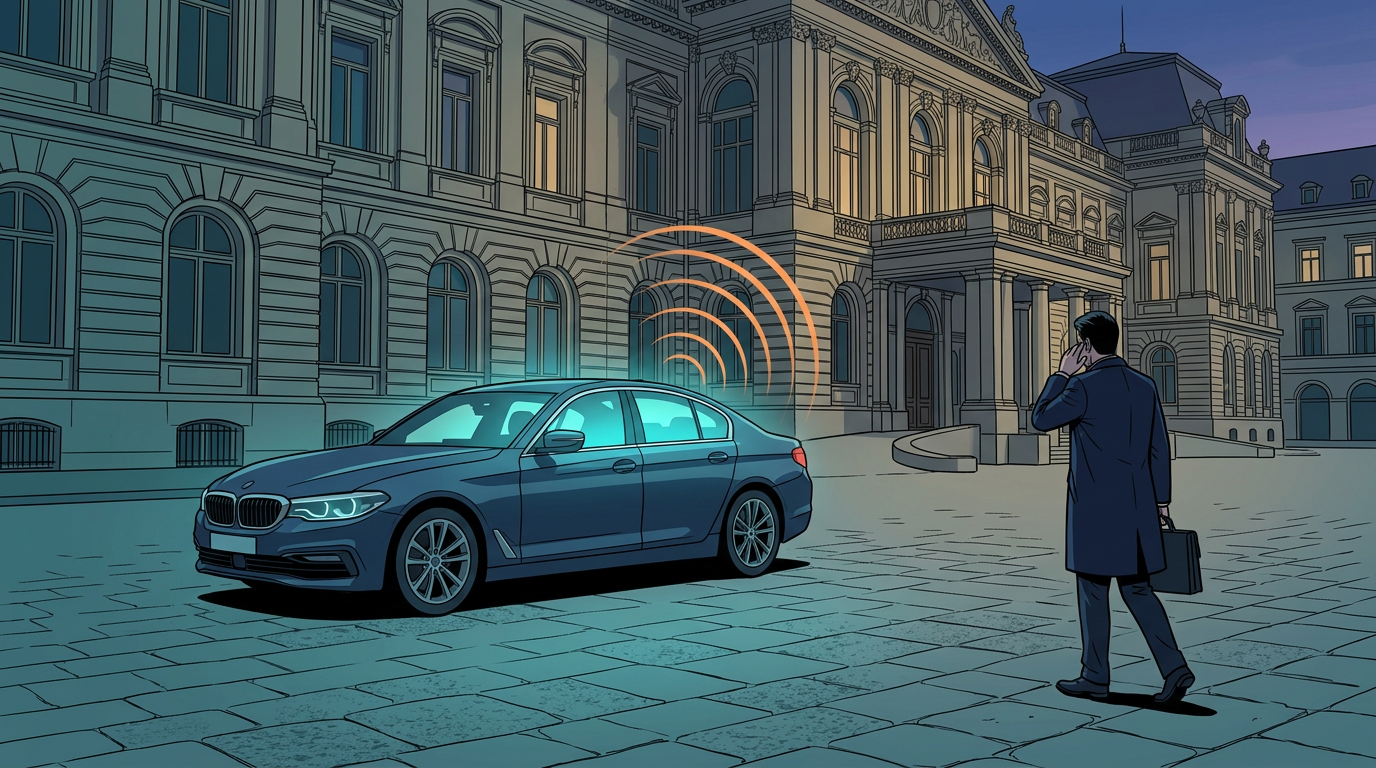
The Dutch General Intelligence and Security Service published a warning on September 30 that a modern connected car should not be treated as a private room. The AIVD issued a news item and a three-page explainer, The modern car as a possible spy, aimed at ministers, civil servants and executives whose movements and remarks would interest a foreign service.
Vehicles collect data about their occupants, the car itself and the people and objects nearby, the service says. Those streams sit on systems that stay online, so state actors can ask manufacturers or other firms for the material, or break in and take it. Microphones fitted for voice control and emergency calls can technically be switched on from outside the vehicle, the AIVD states, letting a third party listen to conversations.
The service lists microphones, cameras, infotainment systems, telematics modules and GPS among the risky systems. Manufacturers, dealers, leasing and maintenance firms, app developers, parts suppliers and cloud providers can each hold part of the data. Users rarely have a grip on what is stored or sent, because collection is automatic.
The advice is direct. Skip confidential conversations in or near a car. Do not take a vehicle with an outward-facing camera to a sensitive site. Avoid wireless charging, and do not pair a phone over Bluetooth or Wi-Fi. Use a USB data blocker when a cable is unavoidable. The AIVD also suggests caution before storing a home or sensitive address in the navigation system.
The service named no country and no brand. It noted that allied governments have told officials a new car is a microphone with wheels, and that some military sites in Germany bar Chinese marques for that reason.