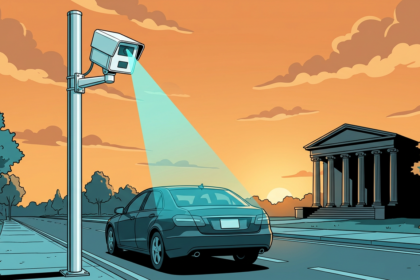





A House bill with bipartisan backing would strip federal funding from cities and departments operating automated license plate readers or biometric surveillance cameras. Representatives Thomas Massie and Eric Burlison introduced the Flock-Off Act this week, joined by five original cosponsors including Ro Khanna.
Any municipality or local force that buys, deploys or keeps upgrading ALPR and biometric camera systems would lose access to federal money under the bill. Recipients must repay the Treasury before new money flows, and the restrictions extend to contracts, subscriptions, data-sharing deals and similar ties with any vendor in the sector, not just Flock Safety.
Two narrow exceptions survive. Agencies may keep cameras running within a mile of either land border to catch unlawful crossings, human trafficking and drug smuggling, and toll systems remain fundable when collecting fees is their only job.
Massie argued that federal taxpayers should not bankroll agencies that surveil law-abiding residents, accusing such programs of pushing communities toward a dystopian police state. Flock warned the cutoff would have real consequences for public safety across the thousands of departments that rely on plate reader technology, and repeated its call for federal safeguards legislation instead of a ban.
The bill lands as the fight over plate reader surveillance shifts from city councils to Washington. Antisurveillance group DeFlock counts more than 150 cities that have canceled or rejected Flock contracts, and officers in several states now face criminal charges for using the networks to track romantic partners.