



CarThreat
  • Home
  • News
  • Features
  • Spotlight
  • Events
  • About
    • Our Mission
    • Services
    • Contact
Notification
  • Autonomous Driving
  • Automotive Ethernet
  • BMS
  • ECU
  • EV
  • ISO/SAE 21434
  • Infotainment
  • OTA Updates
  • OBD-II
  • Pwn2Own
  • RCE
  • SDVs
  • TCU
  • UNECE R155
Cybersecurity

St. Paul pulls plate reader cameras after data reached immigration agents

Policy & Compliance

China freezes vehicle software to end patch-later OTA era

Policy & Compliance

NRMA and Lexus Australia push Canberra toward car data law

Policy & Compliance

Quebec report declares car data consent fundamentally broken

Font ResizerAa
CarThreatCarThreat
  • Home
  • News
  • Features
  • Spotlight
  • Events
  • About
Search
  • Home
  • News
  • Features
  • Spotlight
  • Events
  • About
    • Our Mission
    • Services
    • Contact
Sign In Sign In
Follow US
© 2026 Carthreat.com. All right reserved.
Cybersecurity

Lightweight detector catches rogue cars broadcasting fake safety data

CARdea flags compromised vehicles sending fake V2V safety messages in about 0.1 milliseconds.

CarThreat Staff
Last updated: August 13, 2026 10:58 pm
By
ctadmin
2 Min Read
SHARE

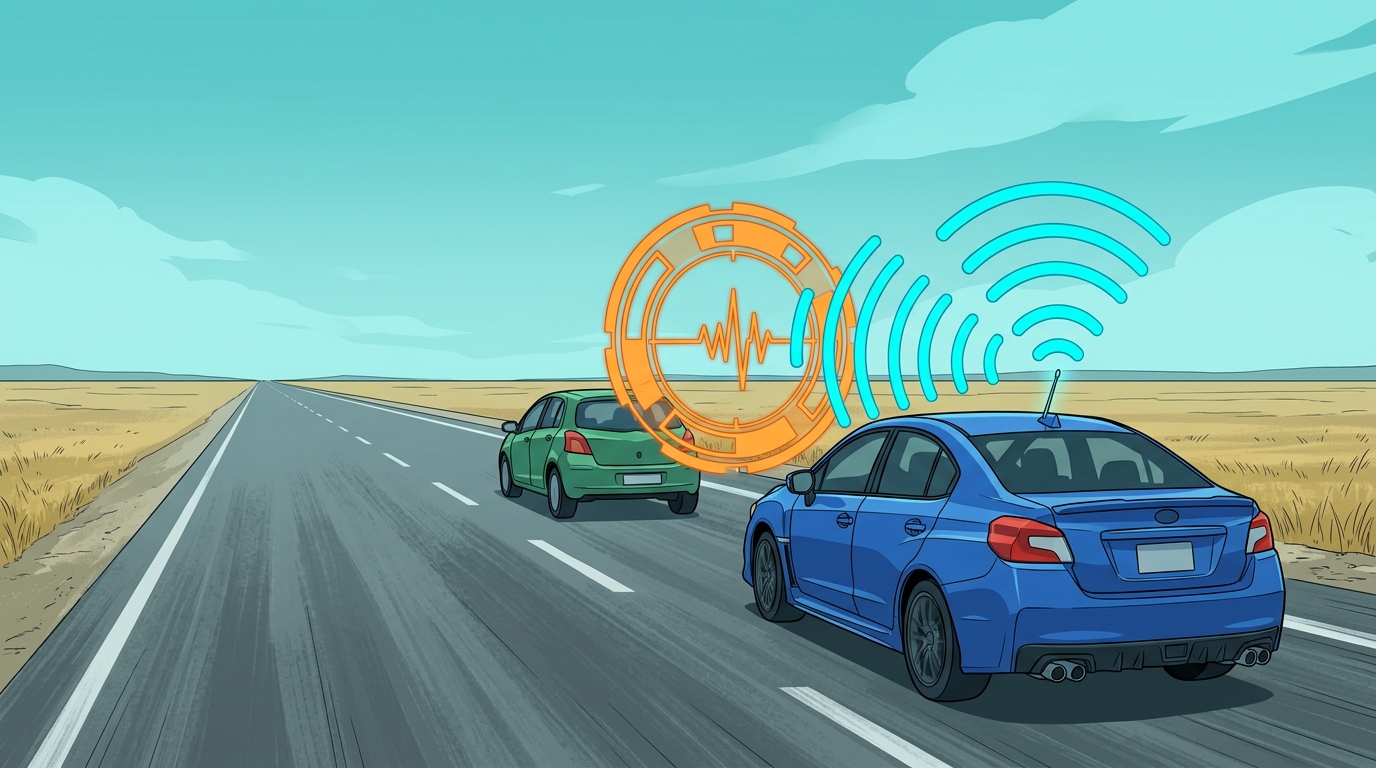
Researchers at Clemson University and the University of Michigan have developed CARdea, a two-phase anomaly detection scheme that catches vehicles broadcasting malicious Basic Safety Messages over V2V links, and say it is fast and light enough to run on today’s cars.

The threat model is the compromised vehicle: authentication stops external attackers, but a hacked car inside the network can still broadcast fake safety messages that nearby control systems trust. Prior detection work leaned on heavy machine learning or expensive sensor fusion that automakers have not deployed.

CARdea splits the job. A lightweight statistical phase runs on the vehicle and flags anomalous messages with up to 98% sensitivity in about 0.1 ms. A second machine learning phase handles the hard cases the first pass cannot classify, and can execute on the vehicle, at the edge, or in the cloud depending on available resources.

The team validated the scheme with 108 hours of simulated basic safety message data covering realistic traffic scenarios and multiple attack types. They presented the work at VehicleSec ’26 in Baltimore.

The approach matters because V2V safety applications are starting to reach production, and a car that lies about its position, speed, or braking intent could force unsafe maneuvers from everyone around it. Practical, deployable detection is the missing layer between authentication and safe operation.


Join Our Newsletter
Subscribe to our newsletter to get our newest articles instantly!
TAGGED:Anomaly DetectionAutonomous DrivingConnected VehiclesCybersecurityV2X CommunicationsVulnerabilities
SOURCES:USENIX VehicleSec 2026
Share This Article
Facebook Email Copy Link

Follow US

Find US on Social Medias
FacebookLike
XFollow
YoutubeSubscribe

You Might Also Like

Cybersecurity

Mercedes Benz Telemetry Data Replaces Manual Road Surveys for Infrastructure Safety

By
ctadmin
July 21, 2026
Cybersecurity

Risk scoring framework cuts attack success in autonomous vehicles

By
ctadmin
August 13, 2026
Cybersecurity

EU Mandate for Driver Monitoring Raises Biometric Privacy in Connected Cars

By
ctadmin
July 12, 2026
Cybersecurity

Slimmed-down AI detector lifts CAN bus replay attack catch rate

By
ctadmin
August 13, 2026
Cybersecurity

Truck recall firmware hid fixes for unlisted security flaws

By
ctadmin
August 6, 2026
Cybersecurity

DIY firewall blocks CAN injection attacks on truck data buses

By
ctadmin
August 12, 2026

CarThreat

Intelligence for the EV and automotive security market
  • News
  • Features
  • Spotlight
  • Events
  • About Carthreat
  • Our Mission
  • Services
  • Contact Us
  • OBD-II
  • Automotive Ethernet
  • TCU
  • Infotainment Systems
  • SDVs
  • BMS
  • ECU Security
  • CAN Bus
  • Digital Keys
  • Bluetooth Security
  • OTA Updates
  • Vulnerabilities
  • Relay Attacks
  • RCE
  • Threat Intelligence
  • Cybersecurity
  • Autonomous Driving
  • Pwn2Own Automotive
  • ISO/SAE 21434
  • UNECE R155
  • Regulations
  • Data Privacy
  • EVs

© 2026 Carthreat.com. All right reserved.  Privacy Policy | Legal

Welcome Back!

Sign in to your account

Username or Email Address
Password

Lost your password?