





Predictive Reasoning at the Edge
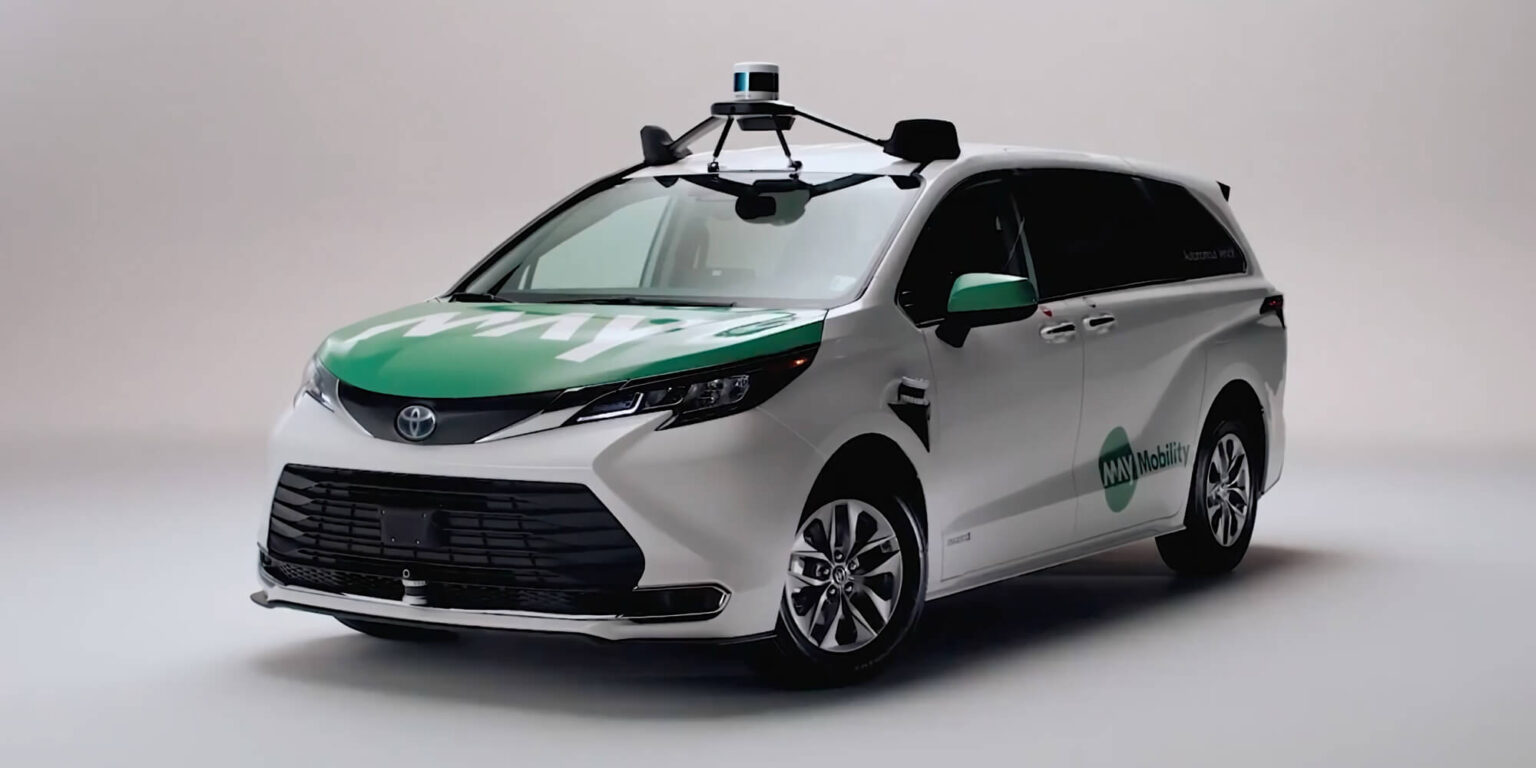
May Mobility has released the fifth generation of its autonomous driving system, designed around a deep learning predictive world model integrated with a multi-policy reasoning engine. Unlike conventional stacks that rely on massive datasets and custom silicon, this system runs hundreds of scenario simulations every 200 milliseconds, each projecting up to 10 seconds into the future and modeling how all road users might interact.
The reasoning engine evaluates multiple competing strategies in real time, selecting the course of action that best handles the projected outcomes while rejecting any maneuver that fails safety parameters. This architecture shifts the paradigm from pattern matching to active reasoning, enabling the system to generalize across new geographies without the heavy data and compute demands typical of other autonomous vehicle platforms.
Impact on Autonomy Scaling
The company’s approach aims to reduce hardware and data dependencies for commercial driverless operations. By combining a predictive world model with an on vehicle reasoning engine, May Mobility claims the system can operate safely after far less training than conventional neural network based stacks. The architecture supports smaller models and lower cost compute, which could accelerate deployment in new cities and fleet applications.
May Mobility has logged over 525,000 commercial rides and 1.1 million autonomous miles to date. For automotive security engineers and OEM teams, this shift from data driven memorization to model based reasoning introduces new considerations for safety validation, system verification, and over the air update strategies. Testing and certification frameworks may need to account for the real time reasoning engine’s decision logic, particularly regarding failure mode rejection and edge case handling.
Source: Automotiveworld