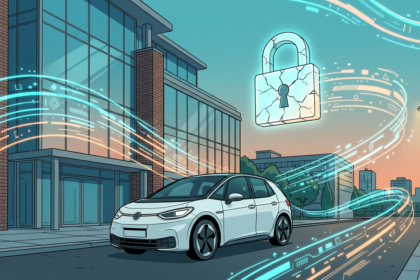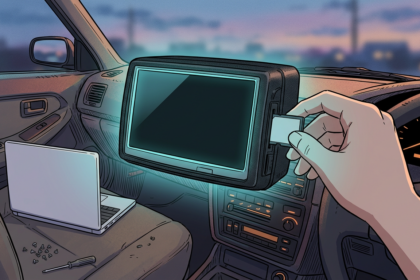

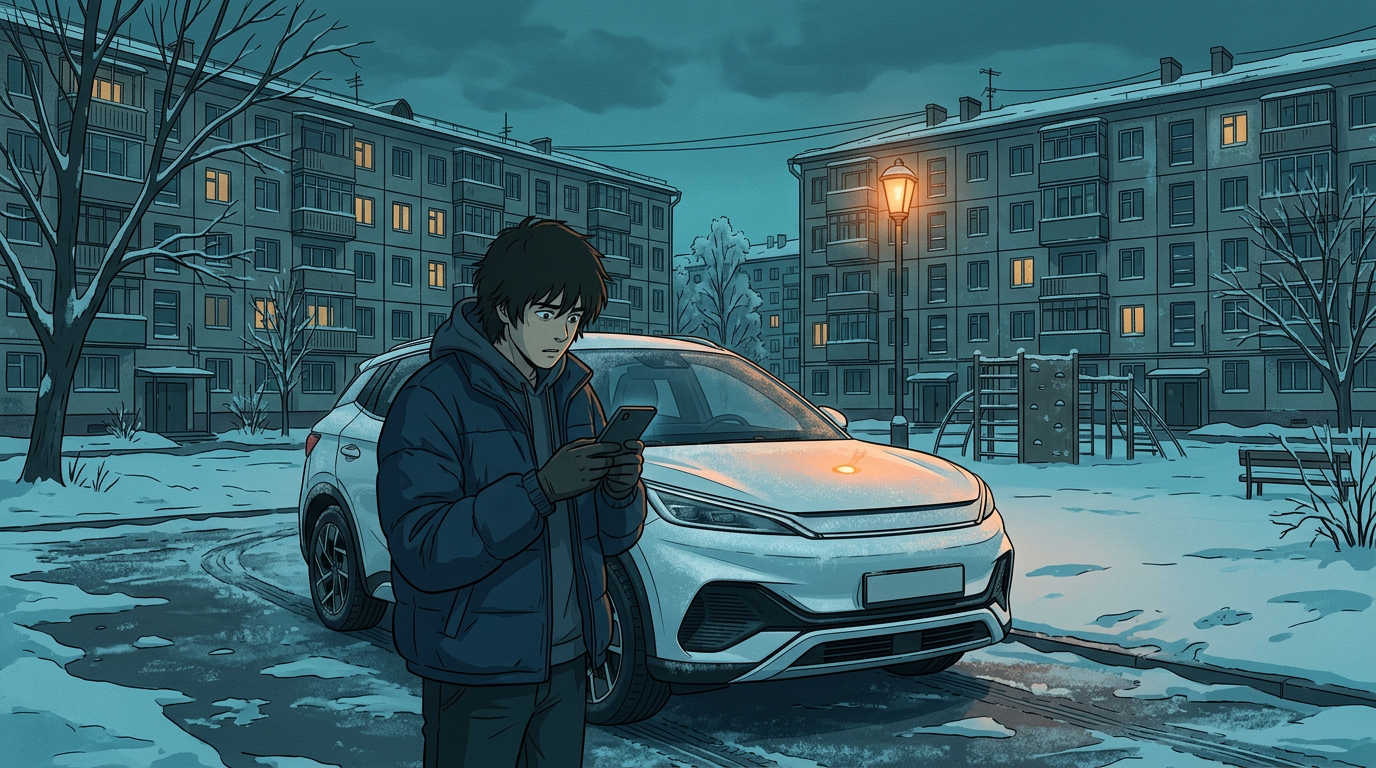
Someone else’s digital key is now the whole car. Owners of Li Auto SUVs imported into Russia say attackers are seizing their master accounts, re-issuing the key under a new identity, then locking doors and engine until money arrives.
How a stranger ends up owning the account
Most affected drivers signed up through a Chinese eSIM supplied by a reseller called eSender or by the importer that sold them the vehicle. Those SIMs expire when their service lapses.
Expired numbers get recycled. Attackers holding leaked Li Auto VINs appear to search for eSIM identities that once belonged to a car account, re-register the number, and use it to open a fresh owner profile. That profile mints a new master digital key.
Alexander Rasskazov, who co-founded a Lixiang owners club for Russia and the CIS, told Autonews that at least 20 drivers confirmed losses. He thinks the true number is far higher, since club membership covers a fraction of the imported fleet. A similar wave hit in July 2025.
The price of a car you already own
Ransom demands now run 35,000 to 45,000 rubles, roughly $430 to $550. The 2025 round asked 200,000 to 250,000 rubles, or about $2,450 to $3,070.
What the victims lose in the meantime is cabin screens, climate control, and in some cases the ability to start the engine, according to Kursiv.
An identity model built for one market
The root problem: Li Auto tied master-account registration to Chinese phone numbers, which makes little sense for cars arriving through parallel import channels.
The company is reportedly working with its Russian distributor to move registration onto email addresses. That option already ships on 2026 model-year vehicles, and the distributor says it will extend it to cars already on the road.