

A survey of 500 British drivers with keyless-entry cars found 14 per cent had already been the victim of a relay theft or an attempt, according to figures commissioned by MoneySuperMarket and published by Insurance Edge on October 16. The insurer paired its polling with DVLA records released under freedom of information, showing which models thieves favour.
That DVLA data covers thefts between 2023 and 2025. The BMW 3 Series tops the list with 4,223 cars taken. Land Rover’s Discovery follows at 2,557, the Mercedes E-Class at 2,345 and the Lexus RX 450h at 2,267.
The fob is still the weak point
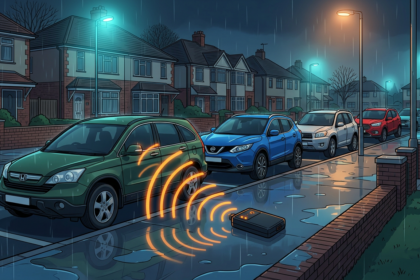
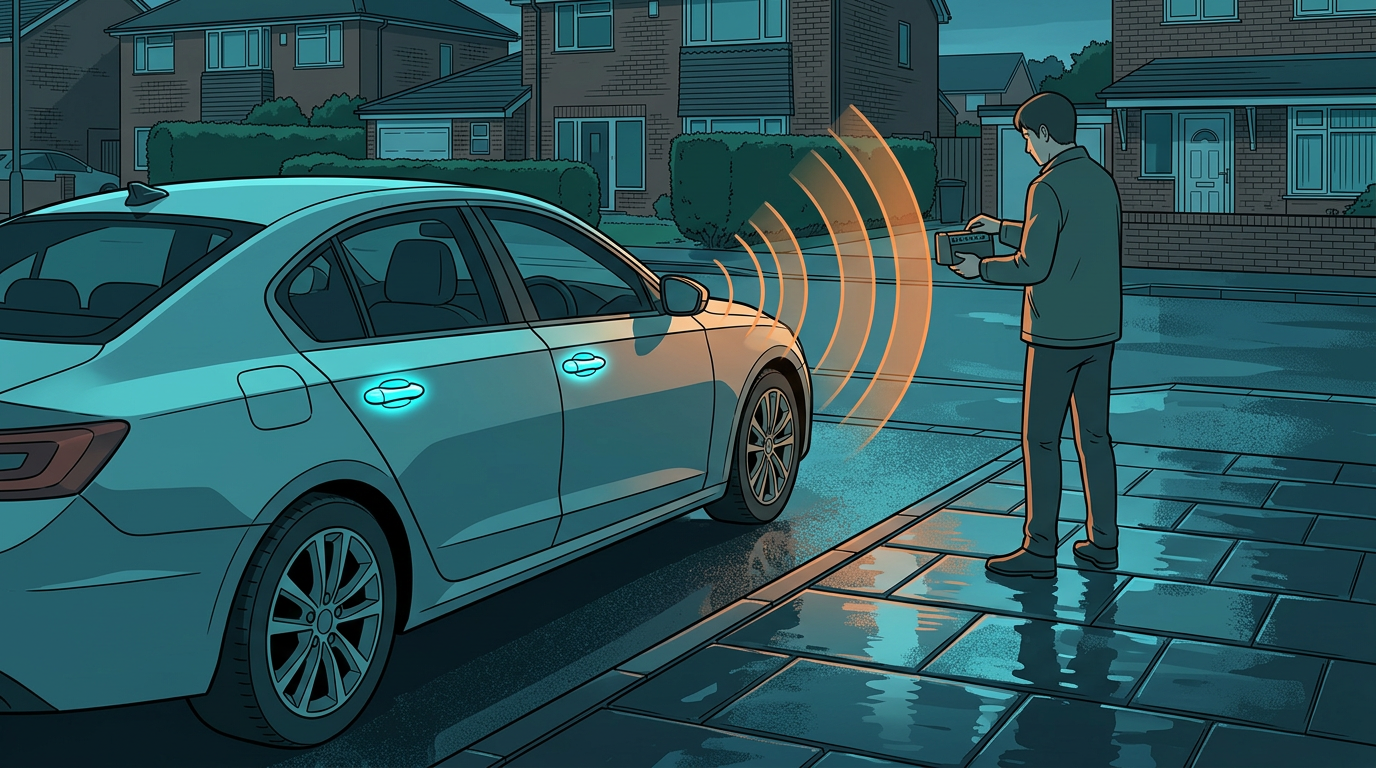
Relay gear captures a fob’s low-energy handshake and re-transmits it from beside the car, so the vehicle concludes the owner is standing there. No code is broken and no window is smashed. The attack has been public for a decade.
BMW owners felt it most: 28 per cent said they had experienced a relay attempt or break-in. Yet only 22 per cent of keyless drivers use a Faraday pouch or signal-blocking box, the cheapest countermeasure available. Parking on a drive and in well-lit areas remain common precautions, neither of which stops a relay.
Alicia Hempsted, car insurance expert at MoneySuperMarket, said one in seven drivers reporting an attempt showed relay theft is not rare, and pointed to fob storage and signal blocking as basic steps.
Manufacturers lag the fix
Ultra-wideband radio defeats relay gear by timing the key’s response, and it has been in production since 2018. Fitment remains patchy, and earlier testing by Germany’s ADAC found large shares of keyless models still open to amplified signals.
The burden therefore falls on owners for a design flaw. Until UWB becomes standard, a pouch by the front door does more than a lock on the drive.