


With cars turning into network endpoints, Israel’s Transportation Ministry has published its first cyber guidance for drivers plus new rules of the road for garages and service chains.
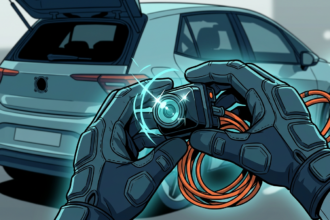
The advice sheet maps four ways attackers typically get in: multimedia systems exposed through installed files and apps, the OBD diagnostic port, smart keys that can be copied, and wireless links such as Wi-Fi and Bluetooth. It also flags over-the-air update flows and electric vehicle charging stations as possible attack channels, warning that hijacked vehicle functions could feed ransomware campaigns or worse.
Owner habits get equal billing: a fortnightly scan of paired Bluetooth devices, hotspots disabled whenever possible, fixed passwords on multimedia systems that demand persistent connections, and a wary eye for symptoms like systems booting on their own or unfamiliar on-screen notices.
Garages and service chains receive their own defense guidance, and the ministry is layering on new cyber requirements for the automotive industry, pushing security responsibilities across owners, repair shops, and vehicle design alike.