Containment is the wrong assumption for connected electric commercial vehicles. A strike that reaches one electric three-wheeler or commercial vehicle reaches the fleet it runs in, specialists said on the Cybersecurity Dialogues series published by Autocar Professional. Making the point were Karthik Anantha, who heads research and development at Omega Seiki Mobility, and HackersEra founder and chief executive Vikash Choudhary.
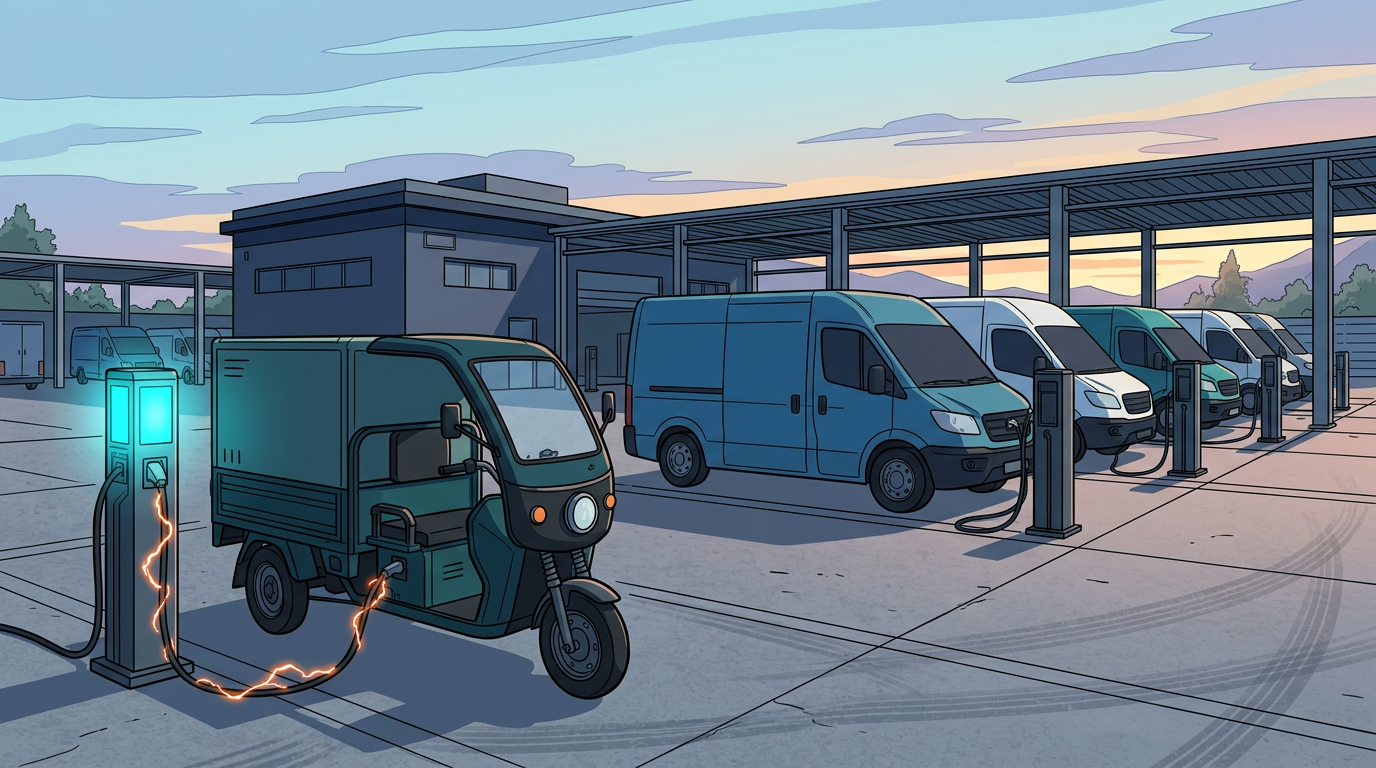
Charging hardware is where much of the exposure sits. A unit that talks to vehicles, data and payment systems becomes a route to vehicle information, and to fiddling with charging or payment parameters.
Responsibility across the supply chain also needs settling, the pair said, spanning OEMs and Tier 1 and Tier 2 suppliers. Testing should not sit with the builder, Choudhary argued, so an outside party has to certify what a supplier ships.
AI, in their reading, works for both sides. Operators use it to sieve vehicle data for faults, while attackers use it to sharpen their methods and hunt for weaknesses.
A rating scheme independent of the manufacturer might one day sit beside crash tests and safety scores – a Hack NCAP, in the phrase the panel used – if buyers start weighing security when they choose a vehicle.