





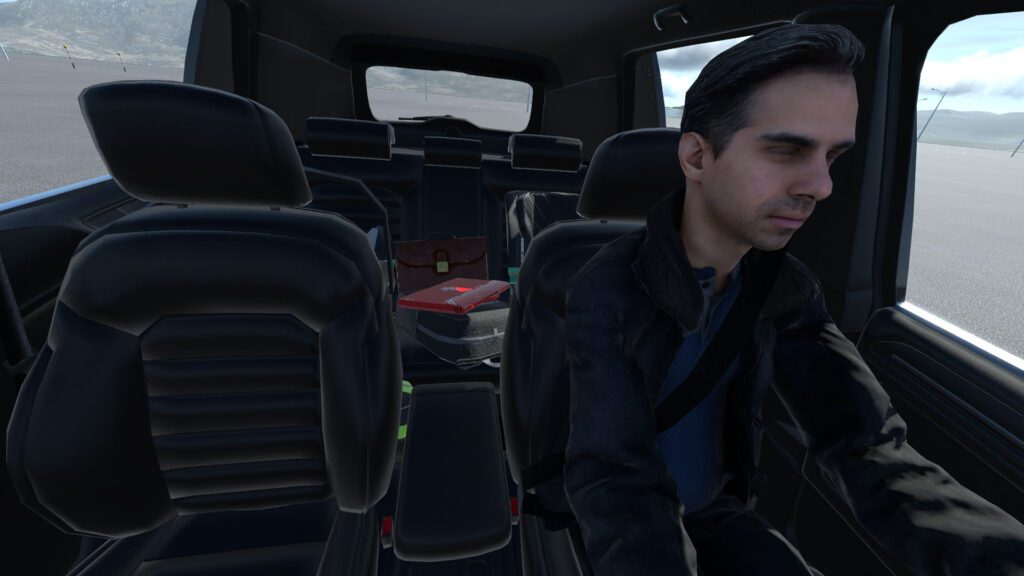
Addressing Stricter Euro NCAP Requirements
rFpro has expanded its AV elevate simulation platform with a new module dedicated to in-cabin driver and occupant monitoring. The launch, named AV elevate In Cabin, comes as Euro NCAP’s 2026 protocols significantly increase the safety weighting of driver monitoring systems. The European Union also mandates advanced driver distraction warning systems from July 2026, putting pressure on OEMs and suppliers to validate these features before physical prototypes exist.
The package integrates infrared camera and radar sensor modeling with a pre configured Euro NCAP in-cabin scenario library. This allows engineers to test driver monitoring system scenarios such as detecting when a driver is falling asleep, all within a simulated environment. rFpro states the launch makes it the only simulation platform that covers both external and internal sensor development in a single toolset.
Technical Capabilities for Occupant Monitoring Validation
Interior models within AV elevate In Cabin have been upgraded with radar reflective seat sub structures, improved skin rendering, and a high density bone rig. These enhancements enable the platform to model complex driver facial expressions and head movements, including what rFpro calls “owl” head turns and “lizard” eye shifts. The new IR camera sensor integration accurately models the energy emitted by the camera, providing realistic sensor feedback for validation.
This simulation capability is critical for automotive cybersecurity and functional safety teams working on connected and autonomous vehicles. Validating in cabin monitoring systems early in development helps secure vehicle interior networks against potential sensor spoofing or manipulation attacks, while ensuring compliance with evolving safety regulations. rFpro’s unified toolset allows engineers to test interactions between external perception sensors and internal monitoring systems in coordinated scenarios.
Source: Automotiveworld