

Software sealed at the factory door
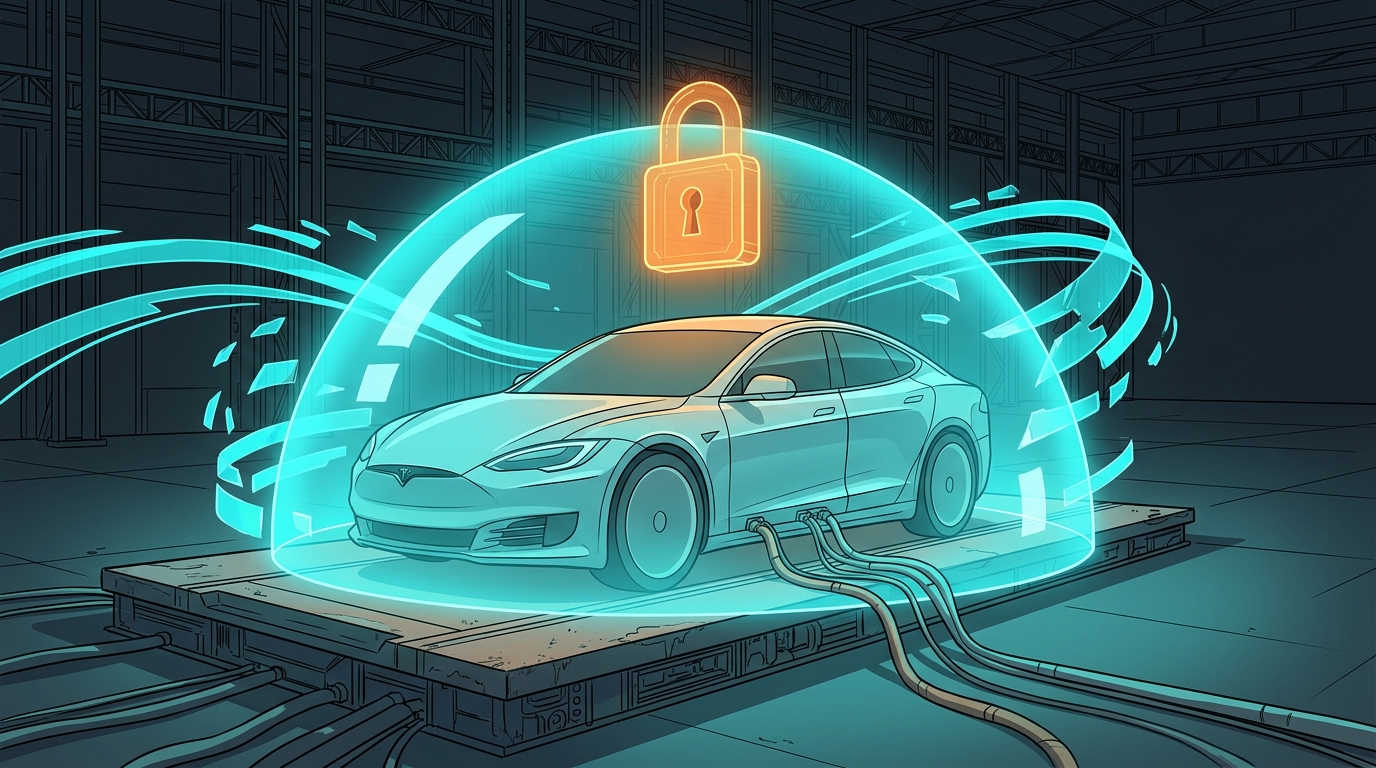
Chinese regulators are sealing the software inside vehicles they pull for inspection, closing the over-the-air escape hatch automakers used to alter approved designs. The yearlong campaign, announced August 27, comes from the Ministry of Industry and Information Technology (MIIT), the Public Security Ministry, the Ecology and Environment Ministry, and the market regulator.
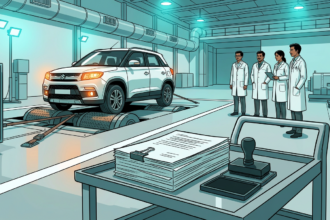
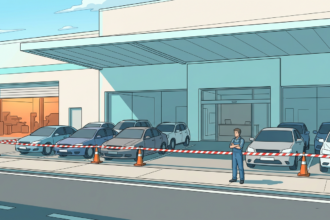
Inspectors draw sample cars from factory lots and dealership showrooms, lock their hardware and software configurations, then hand them to labs. Tests span crash performance, EV safety, and battery-pack integrity, judged against the technical parameters stamped at market approval. A sealed configuration stays frozen, with OTA updates barred from shifting those parameters.
Automakers that fall short face an escalating ladder: public naming, ejection of a product from the MIIT catalog, or the loss of the right to file new models, under a regime that reached GAC Aion, Xpeng, Nio, Chery, and JAC plants by July. Vice Minister Xin Guobin warned the day before that some aggressive designs reached vehicles without enough validation and that scattered quality and autonomous-driving incidents had stoked public unease.
The road to the clampdown
Interior emergency door-release handles that are hard to spot or reach sit behind recalls of more than seven million vehicles in the week before the campaign, a design question US and EU regulators have also raised about flush-handle EVs. Two failures shaped Beijing’s posture: an April outage at the Apollo Go robotaxi service froze new permits for three months, and a 2025 Xiaomi SU7 crash tied to its driver-assistance software curbed how such features are advertised.
Beijing now treats software delivery as part of the safety envelope, not just launch-day code. Freezing configurations turns the update channel into a compliance checkpoint, a warning to automakers leaning on patch-later development to rush features to market.