



Pew Research Center counted the plate cameras for the first time and its map shows how far the network reaches.
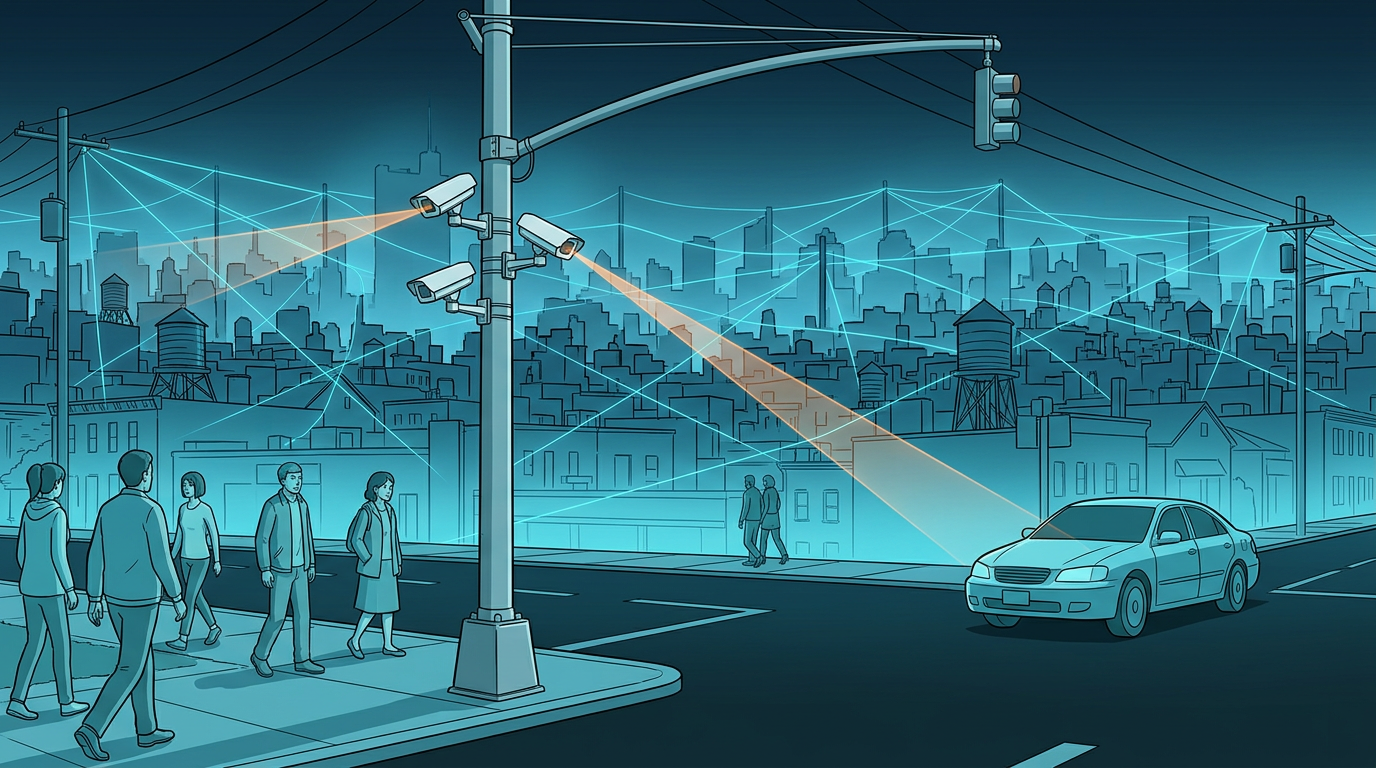
The nonprofit published the first independent national census of Flock Safety license plate readers on November 9, built from 109,577 camera nodes volunteer mappers recorded on OpenStreetMap and cross referenced against Census figures. It is the first public inventory not relying on vendor marketing numbers.
Five states hold just over 53,000 of the mapped cameras, or 49 percent of the national total. Georgia leads per capita with 80 cameras for every 100,000 residents, ahead of Ohio at 51 and Texas at 49. Harris County, Texas alone accounts for 3,490 nodes, with Los Angeles County second at 2,457.
Roughly 80 percent sit in urban areas. Atlanta and Houston each hold more than 4,000, while Los Angeles, Chicago and Dallas-Fort Worth clear 3,000 apiece. Pew found them slightly more likely in lower income neighborhoods, though it called the gap modest.
What the portals actually disclose
Disclosure is the weak link. Only 12 percent of mapped cameras carry ownership data. Pew then used the EyesOnFlock database of 1,517 agencies with active transparency portals as of September 21. Those agencies list 39,465 cameras, just 36 percent of the mapped total, and the share collapses by state: 6 percent in Florida and 2 percent in Pennsylvania.
Where agencies do publish, the median portal covers 12 cameras and a 30 day retention period, the platform default until Flock cut it to seven days in August. Two thirds disclose sharing arrangements, and those that do report passing plate data to a median of 217 other organizations.
That gap matters for security. A camera whose owner cannot be identified is one whose firmware state, access controls and sharing partners are equally opaque.