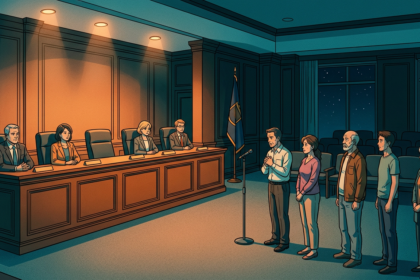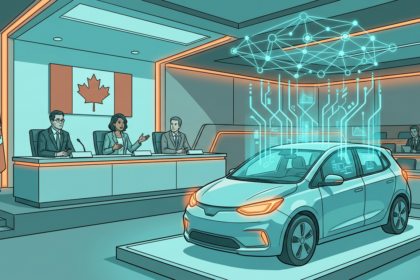
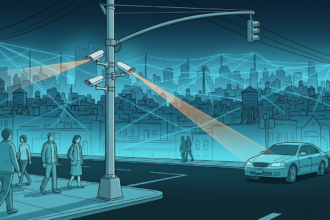

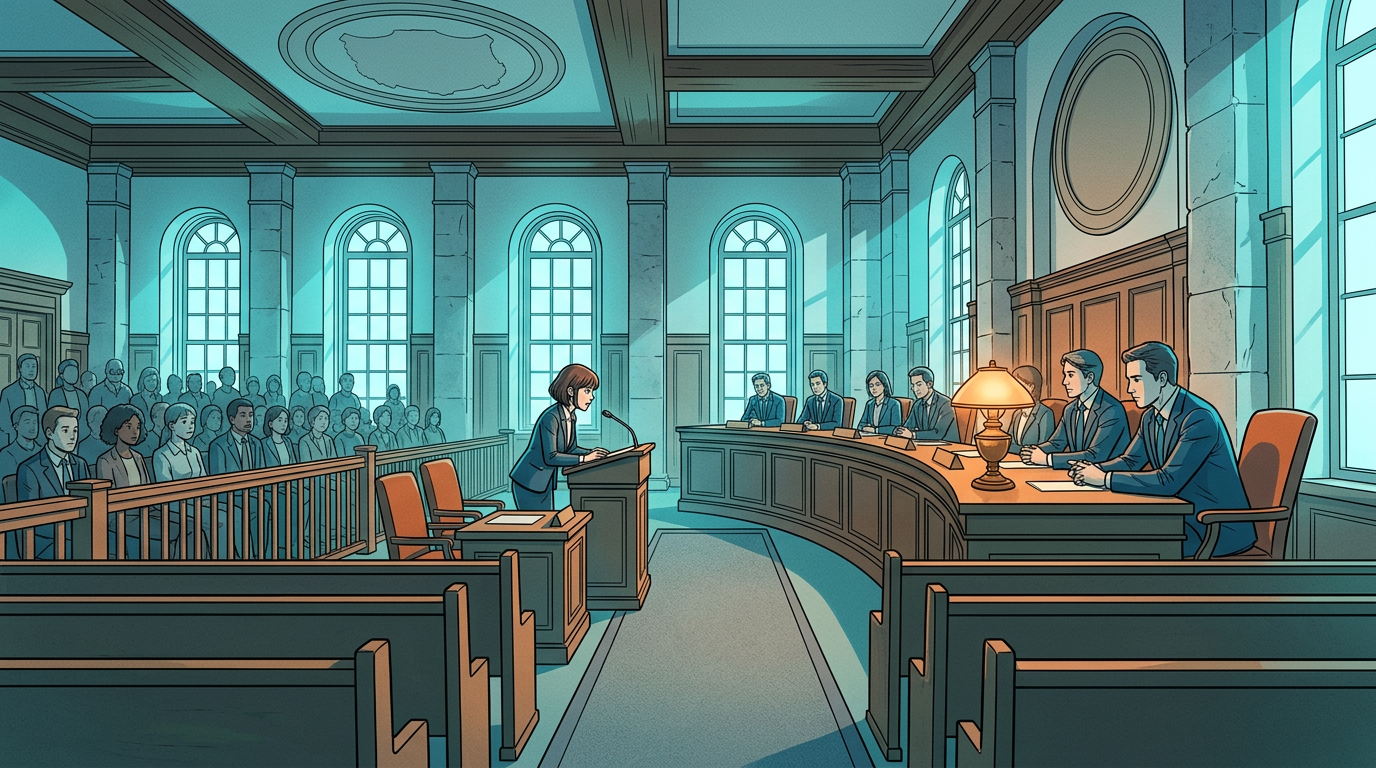
Lawmakers in Albany heard this week that nobody can promise a driver’s movements stay inside New York. An Assembly hearing on automated plate readers put the gap on the record: no statewide rule governs how that data gets gathered, stored or shared.
Assemblymember Nily Rozic, who chairs the Consumer Affairs and Protection Committee, said the state lacks “universal minimum standards” and should not leave New Yorkers’ information to individual agencies or private vendors.
Even the auditors cannot say who looked
Tyler Nims, who runs the Attorney General’s Law Enforcement Misconduct Investigative Office, testified that the cameras log millions of drivers who have broken no law. Asked how an innocent motorist would discover they had been checked, he said there is effectively no route absent some later action against them.
Sharing across local and federal agencies is possible, Nims added, which worries critics thinking of immigrants, protesters and patients seeking reproductive or gender-affirming care.
Rafael Mangual of the Manhattan Institute rejected the constitutional objection. Cars on public roads carry no privacy expectation, he argued, yet he still backed user IDs, audits and criminal penalties for misuse.
Raymond Tierney, district attorney for Suffolk County, recalled the December 2025 theft of a car with a three-year-old still in the back seat. Plate hits placed the vehicle near the Long Island Expressway within eight minutes and in Central Islip 40 minutes later. The child was found still inside.
Rena Ajai of the Electronic Frontier Foundation called the systems too intrusive to run at all. She asked for warrants, retention caps and limits on federal and out-of-state sharing.
Assemblymember Hunter sponsors the vehicle for change, A10808A. It would restrict uses, cap retention, require audit logs and public reporting, and tighten sharing. Amended in October, it sits in committee ahead of the January session.