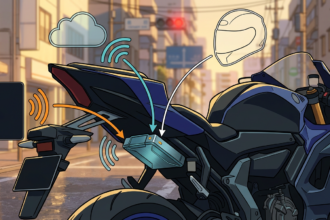


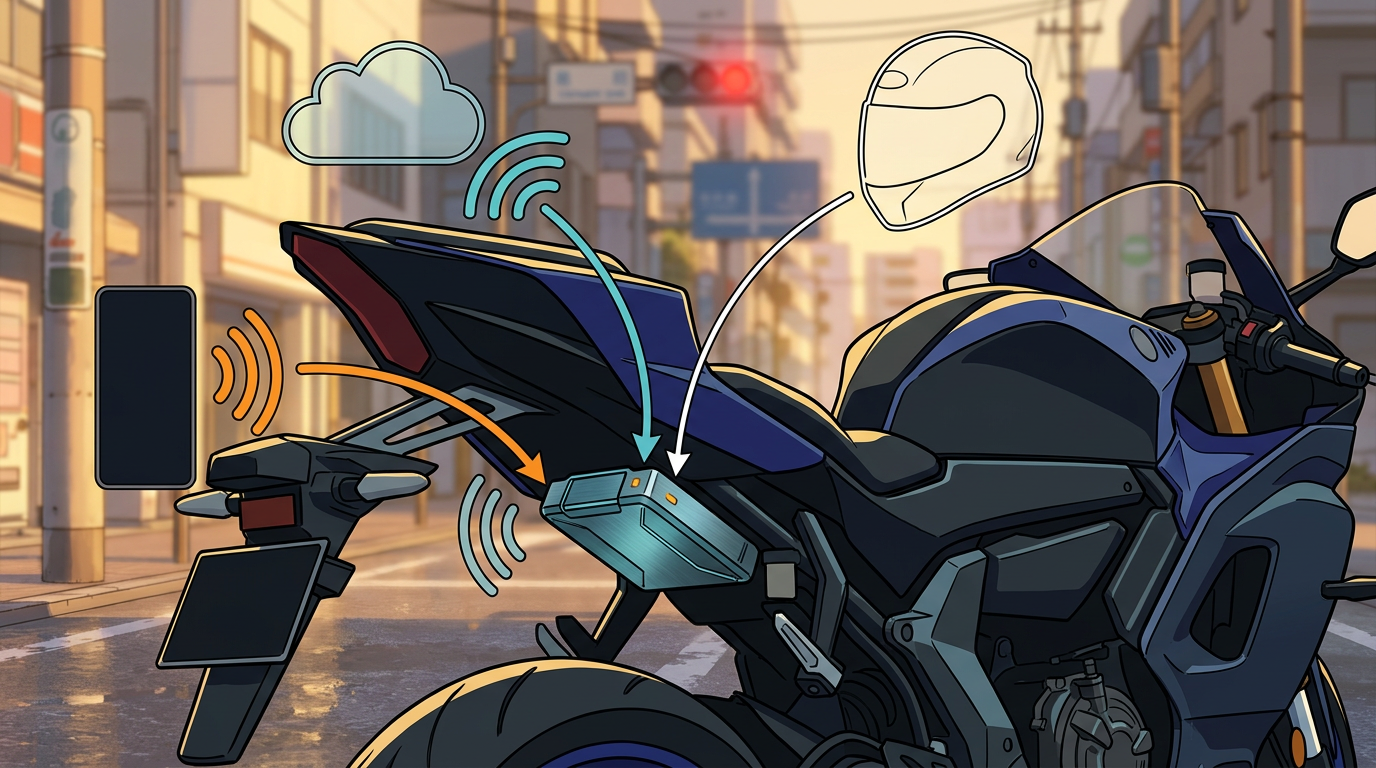
Bosch used EICMA in Milan to show a new generation of its Central Gateway, a control unit built to keep riding-critical electronics away from the cloud, Wi-Fi and Bluetooth links now turning up on two-wheelers.
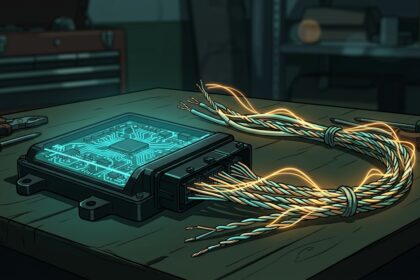
The hardware ships in three classes. A 16-pin Light version targets bikes with almost no spare space and drops into an existing electronic architecture. A 39-pin Base unit adds body control functions for premium models. A 99-pin High variant is aimed at future machines with heavily integrated networks.
Type approval is the real driver
Bosch is not pitching this as a general safety upgrade. It exists because UN Regulation R155 reaches the L-category. From December 2027, newly developed two- and three-wheeled vehicles must be protected against cyberattacks as complete systems, and from June 2029 the rule extends to all new registrations.
Compliance at that level means a certified cybersecurity management system plus evidence for each vehicle type: a threat analysis and risk assessment, the mitigations chosen against it, and proof those mitigations were tested. Suppliers have to hand over their own evidence. That paperwork burden is what a component like this is meant to shrink.
Security chips and a lifecycle contract
Bosch fits security chips directly into the control units, including ABS and engine controllers, so only verified signals travel the internal network even if an outside attacker gets a foothold. The parts are built for approval from the factory rather than retrofitted afterwards.
The company also sells services across the vehicle’s life: fleet monitoring, intrusion detection and vulnerability tracking once the bike is in a customer’s hands.
Geoff Liersch, who leads two-wheeler and powersports at Bosch, said the goal is protecting connected machines from outside attack while covering every vehicle class.