



Ford put a promise in writing this week: it will not sell data about how customers drive to brokers or insurance companies. The pledge landed four days after General Motors agreed to pay $220M to 36 states over allegations it did exactly that.
Chief privacy officer Kristin Jones framed the announcement as an explicit commitment, backed by a site explaining what a vehicle collects and how to switch sharing off. Ford says the timing is coincidental and that the controls have existed for years, just hard to find.
What opting out costs
Turning connected services off disables hands-free BlueCruise, built-in navigation and roadside assistance, and location features in the Ford app. Jones has described the result as something close to a 1980s car. About 91% of surveyed owners rated privacy highly important.
The gap a toggle leaves
Security specialists were unimpressed by the mechanism. Trey Ford, chief strategy and trust officer at Bugcrowd, said a promise is not control and that the test is whether the settings still behave as described next year – and whether a hardware switch can cut connectivity outright. A software toggle, he argues, is a user-experience improvement rather than a privacy guarantee.
John Gallagher of Viakoo saw a sharper commercial motive: drawing a line between Ford and rivals caught selling telematics to insurers,.
GM’s settlement, announced October 29 and covering enrolments from 2016 to 2024 through its discontinued Smart Driver program, requires less collection and express consent; a separate Texas case is still live. A January 2025 FTC order had already barred GM from sharing such data with consumer reporting agencies.
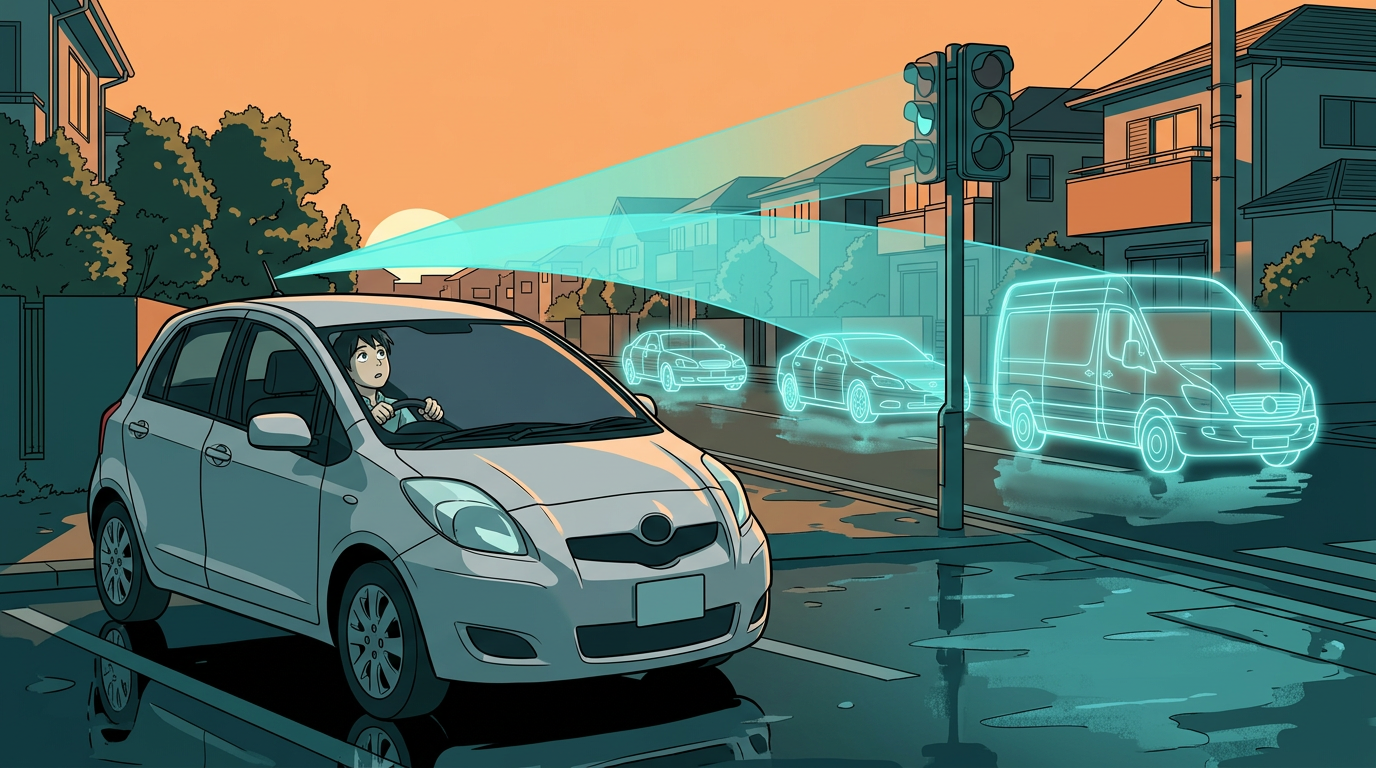
Ford’s own exposure sits in the same pipeline. Every modern vehicle produces close to 25GB of data an hour, by S&P Global Mobility’s estimate, and that flow is what brokers buy.