
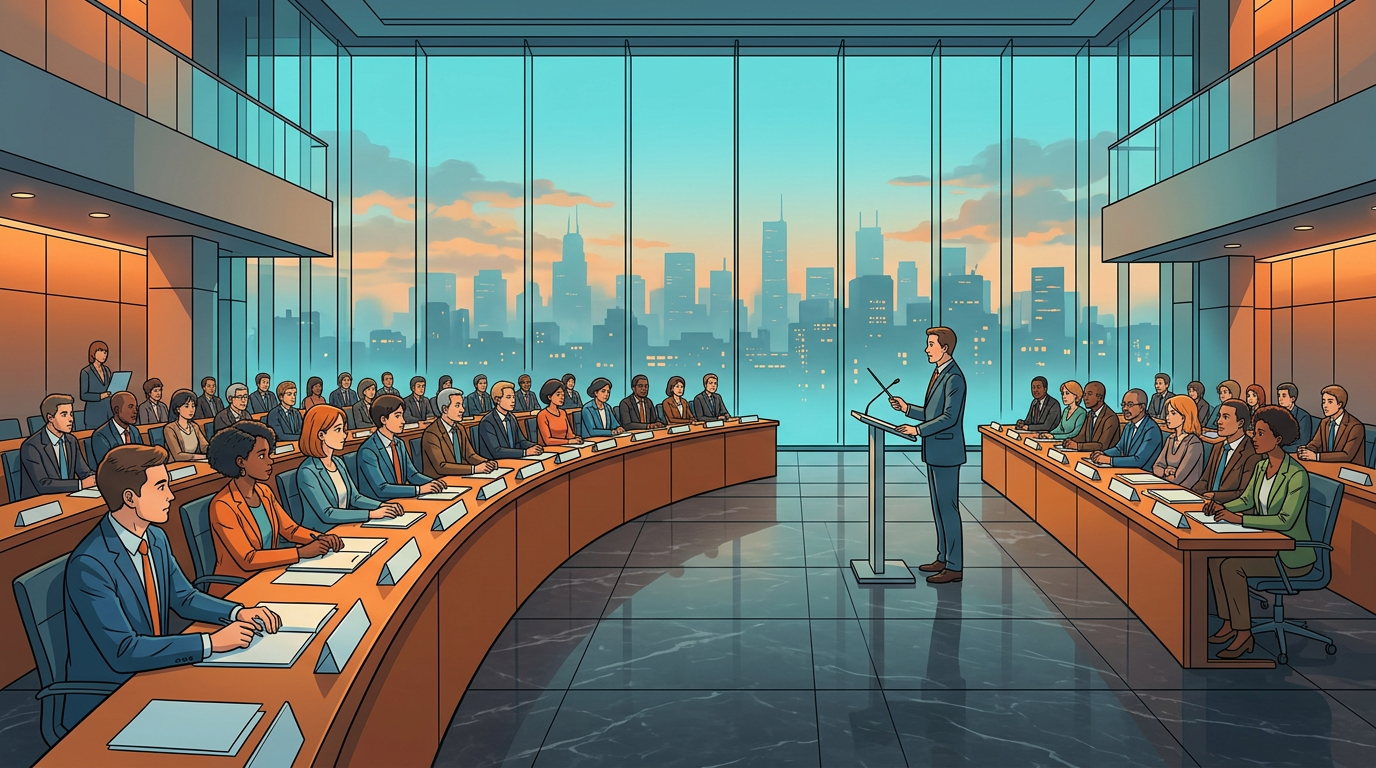
UN officials used a Beijing conference on connected and intelligent vehicles to press the case for harmonised rules on automated driving, in the year the framework was adopted.
UNECE deputy executive secretary Dmitry Mariyasin told the opening ceremony on 21 October that China had played a central role in drafting the framework. Jean Todt, the UN secretary-general’s special envoy for road safety, told delegates that automation must advance alongside rigorous safety requirements.
Who is doing the technical work
Richard Damm, who chairs the UNECE working party on automated and connected vehicles known as GRVA, described implementation experience. Sessions covered regulatory progress in Canada and Russia, and work by the Netherlands vehicle authority RDW on assessing an end-to-end AI driving system.
The standards bodies have their own moving parts. SAE International, ISO and the IEC presented current work, and the conference drew vehicle authorities and regulators rather than only suppliers.
The security question underneath
Regulatory attention has concentrated on whether an automated system performs safely, not on what happens when it is attacked. Cyber requirements for these vehicles sit largely in separate rules and in national type approval, leaving a gap that security researchers have flagged repeatedly.
For Chinese and European manufacturers both selling into each other’s markets, the practical prize is a single approval pathway. Without one, an AI driving system cleared in one jurisdiction can require fresh validation in another.
No timetable for binding national alignment emerged from the meetings.
Source: Highways News