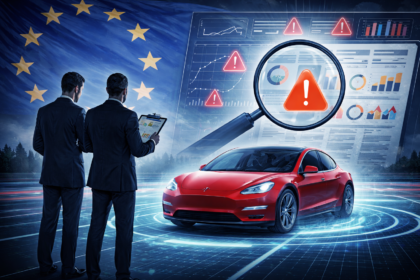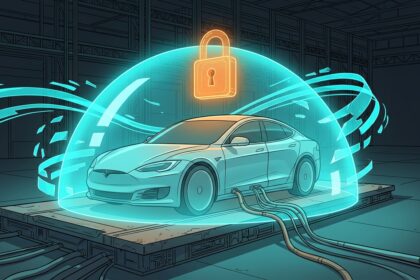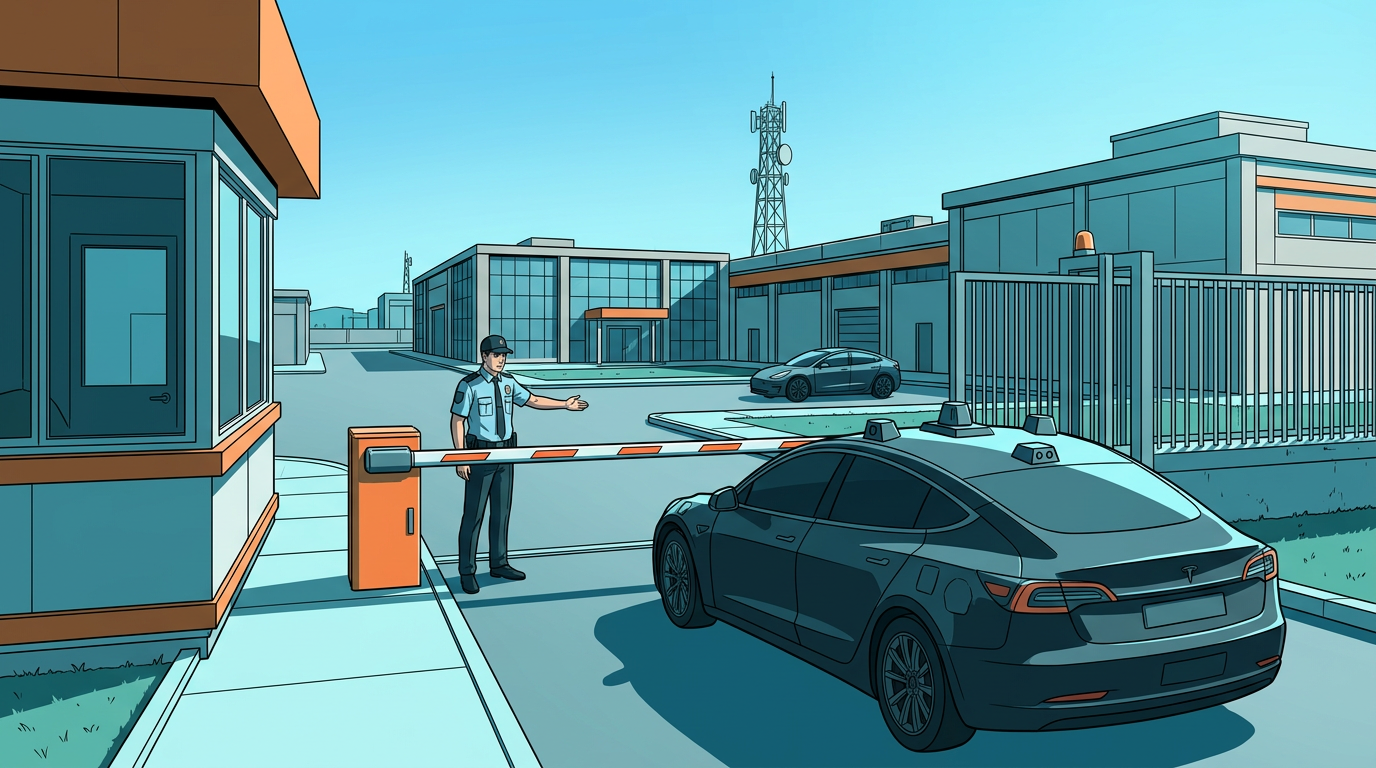
Four of Türkiye’s largest defense contractors have quietly stopped letting foreign-built electric cars onto their grounds, citing the sensors and software baked into modern vehicles.
Mahmut Faruk Akşit, chief executive of TUSAŞ Engine Industries, disclosed the policy at a conference on artificial intelligence and emerging threats held at Pamukkale University in Denizli over the weekend. The restriction covers Aselsan, Roketsan, Havelsan and TEI, he told the audience.
Akşit did not say when the rule took effect or how long it has been enforced, making his remarks the first public account of the arrangement.
Sensors that map the yard
His concern centers on what a connected car can see and who controls it. Vehicles now carry enough cameras and ranging hardware to chart a facility in detail, he argued, and the resulting data and commands sit with a manufacturer abroad rather than the site owner.
Domestic models are still admitted, because their software stays under local control, Akşit said. A vehicle whose code answers to someone else, he warned, will ultimately do what that party instructs.
He also sketched a darker scenario: an adversary that seizes a car’s systems and steers it into a guarded entrance, turning the vehicle itself into a weapon.
A widening pattern
Türkiye’s move echoes steps taken by several militaries. Poland restricts Chinese-made cars at its facilities, and Britain and Israel have similarly limited foreign connected vehicles at sensitive sites over data-collection and remote-control worries.
Washington has banned Chinese-made smart and connected vehicles from U.S. military installations, while the Commerce Department has moved to bar Chinese- and Russian-origin software and hardware from vehicles sold in the country.
Akşit framed his comments as a personal assessment and called for broader public awareness of the risks that arrive alongside connected technology.