



Questionable Claims and Methodology
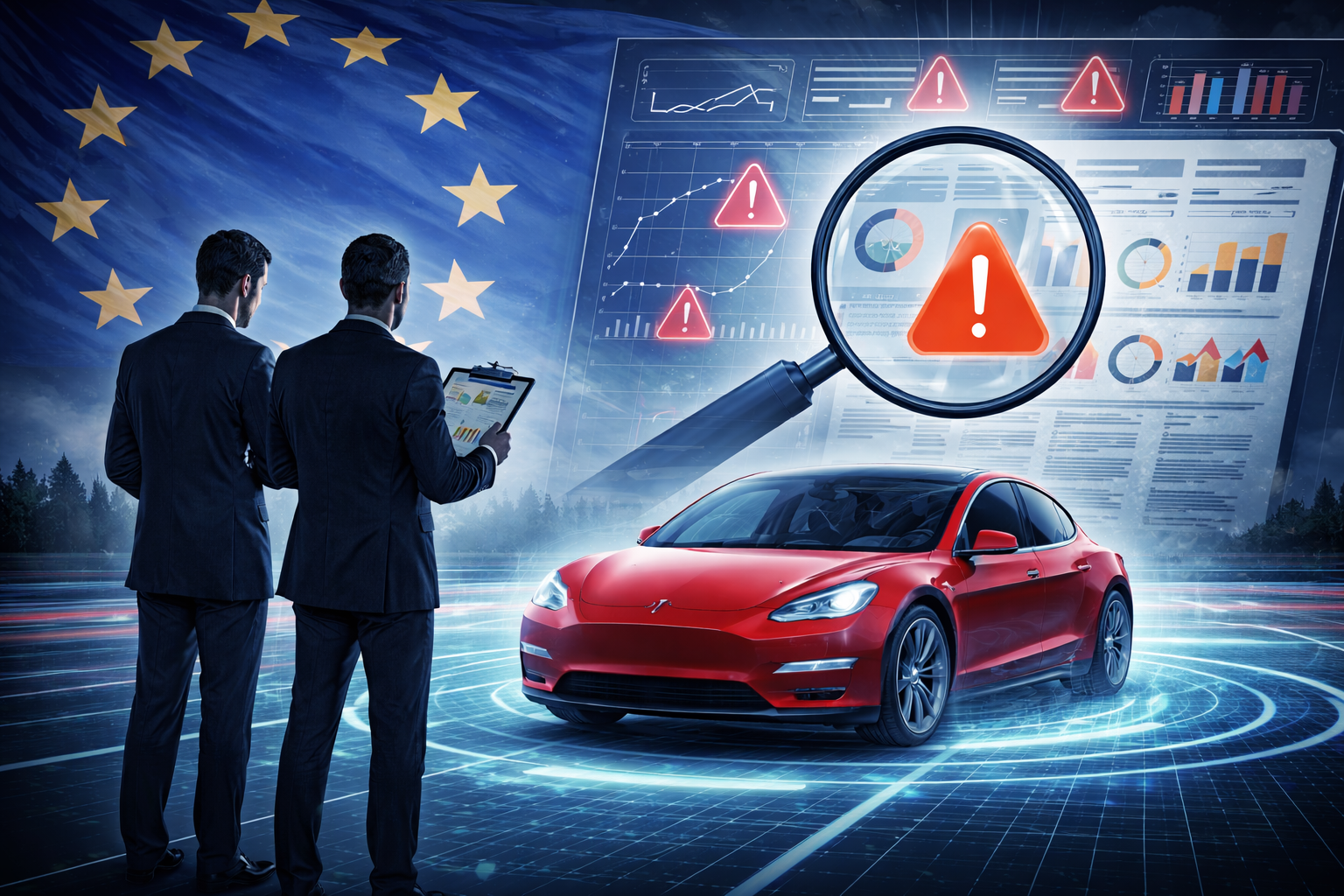
A recent Reuters investigation alleges that Tesla submitted inflated and methodologically flawed safety statistics for its Full Self-Driving (FSD) system to regulators in the Netherlands and Sweden. The data, submitted as part of Tesla’s push for European approval, reportedly claimed that FSD-equipped vehicles travel more than seven times farther between crashes and are up to ten times safer than the average human driver. Independent researchers have challenged these figures, stating they are based on unrealistic assumptions.
The core issue lies in the comparison methodology. Tesla’s data implicitly requires that every vehicle in the United States, including freight trucks and motorcycles, be replaced by a Tesla running FSD. This would mean every such Tesla is at least seven times safer than the vehicle it replaces. A separate claim that FSD could theoretically have prevented 32,000 deaths rests on the same premise of universal adoption, which is not reflective of real world conditions.
Impact on Regulatory Trust
These allegations could significantly strain Tesla’s relationship with European regulators. The company relies on regulatory trust to secure approvals for its advanced driver assistance systems, which are critical to its market strategy. The reported pattern of questionable data submissions and contract alterations makes it difficult for regulators to extend that trust.
For the automotive cybersecurity community, this case highlights the critical importance of transparent and methodologically sound safety data. As connected vehicles increasingly rely on software defined features, the integrity of safety claims becomes a matter of public trust and regulatory compliance. If Tesla’s FSD system is found to have misrepresented its safety profile, it could set back the broader adoption of automated driving technologies and invite stricter oversight of all driver assistance systems across the industry.
Source: Automotiveworld