




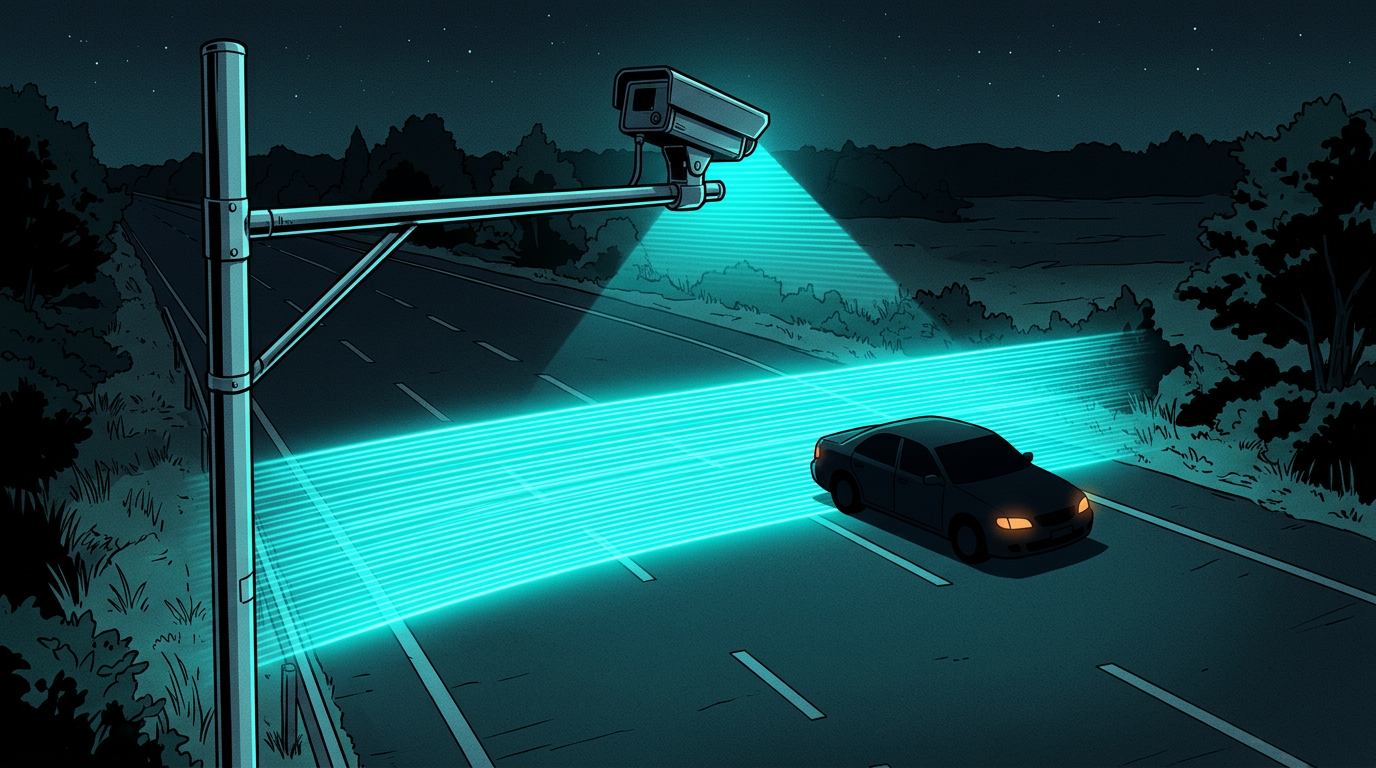
A yearlong internal investigation ended with an officer off the force in San Jose, after he used the department’s Flock license plate network to look up a woman’s vehicle and forwarded her location to his cousin, the man she had accused of abusing her.
Chief Paul Joseph said the officer, roughly two years into the job, was fired in April after an investigation that ran about a year. The case surfaced in February 2025, when the woman told police her alleged abuser already knew where she was.
Neither man was charged. Joseph tied that partly to a gap in California law: the statute barring officers from searching confidential criminal databases without a legitimate purpose does not cover automated license plate reader records. San Jose alone hosts close to 500 camera sites.
The department suspended the officer and opened a criminal inquiry, but the outcome has revived questions about who polices a surveillance network that has outgrown the rules around it. Complaints about misuse are now arriving from several states, and vendor audits rather than police referrals usually surface them.
Watchdog groups argue the San Jose result shows the problem is structural. The data stays searchable by design, while the penalties for searching it are thinner than the public assumes. The case lands as Massachusetts towns keep cancelling Flock contracts and Congress debates the Flock-Off Act, which would cut federal funding for local camera fleets.