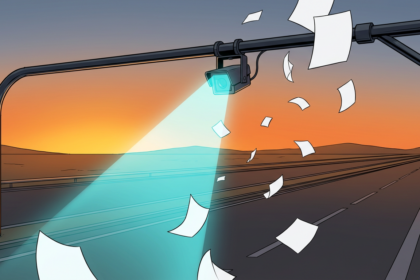




Fleet tracking is failing its core test across Europe, where professional theft crews have learned to silence the very systems insurers and operators rely on to recover vehicles, according to a new analysis from telematics firm Geotab.
Geotab cites the scale as cause for alarm. The firm points to ANIASA numbers showing commercial vehicle theft in Italy more than doubled within a year. Losses across Italy, France and the UK combined topped 400,000 vehicles in a single year, the write-up notes.
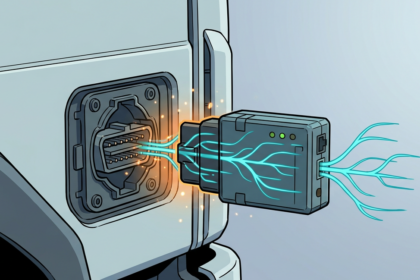
The company’s assessment is blunt: organized crews, not casual criminals, account for most high-value losses. Those crews budget for jamming hardware, scout targets in advance and study exactly which tracking products they can beat, and in what time. If a jammer can silence a unit, recovery never starts.
A less visible failure mode sits inside the vehicle itself. On some models, the built-in telematics that fleets treat as a recovery safety net can simply be switched off from privacy menus, with no special equipment or expertise required.
Geotab frames the core issue as design, not hardware. Upgrading a single protection layer leaves the underlying scheme intact, so one successful defeat still leaves the vehicle dark. What frustrates professional rings, the firm argues, is redundancy: several independent tracking channels, so killing one never silences the vehicle.
The emerging playbook pairs factory signals with separately operated tracking and applies AI analytics to spot suspicious movement early. Lessors are doing the math on recovery rates: each percentage point of vehicles found cuts claims and keeps contracts alive.
For security teams, the takeaway is that telematics is a control with its own threat model. A vehicle that is stolen without ever raising an alert is a design failure, not bad luck.