
CarThreat
Sign In
  • Home
  • News
  • Features
  • Spotlight
  • Events
  • About
    • Our Mission
    • Services
    • Contact
Notification
Car NewsCybersecurity

Malware attack forces Japan’s largest taxi company to suspend services

CybersecurityElectric VehiclesEV & Infrastructure

Car cyber incidents jump to 405 in Q1 as EV chargers become the new soft spot

Cybersecurity

Automotive IQ names its top 20 cybersecurity leaders for 2026

Cybersecurity

Belgium becomes first in Europe to say yes to driverless cars on public highways

Font ResizerAa
CarThreatCarThreat
  • Reviews
  • Voices & Reviews
  • Physical Security
  • Car News
  • Electric Vehicles
  • Electric Vehicles
  • Buyer’s Guide
  • Buyer’s Guide
  • Auto Shows
  • Cybersecurity
  • Concepts
  • Policy & Compliance
Search
  • Home
  • News
  • Features
  • Spotlight
  • Events
  • About
    • Our Mission
    • Services
    • Contact
Sign In Sign In
Follow US
Made by ThemeRuby using the Foxiz theme. Powered by WordPress
Cybersecurity

NHTSA tells self-driving car makers to stop blocking ambulances

ctadmin
Last updated: July 12, 2026 4:44 pm
By
ctadmin
3 Min Read
SHARE

The Problem: AVs Interfering with First Responders

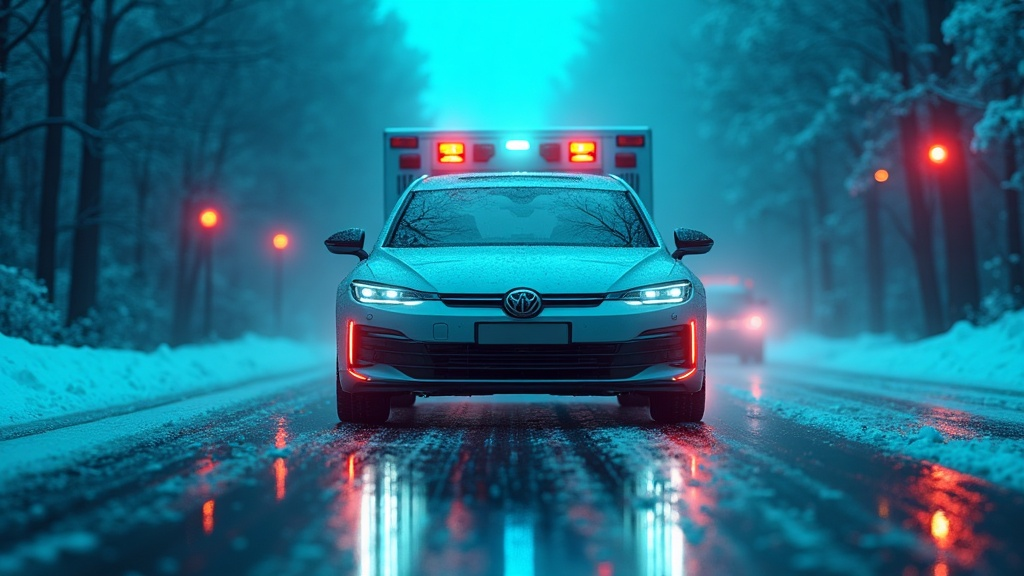
The U.S. National Highway Traffic Safety Administration (NHTSA) has issued a direct order to all autonomous vehicle developers, demanding they fix a documented pattern of driverless cars disrupting emergency response operations. In a letter dated July 8, Administrator Jonathan Morrison stated that multiple incidents across several operators show AVs driving into active emergency scenes, blocking ambulances and fire trucks, and failing to respond to flashing lights, flares, smoke, or traffic cones. The agency described this as a “functional insufficiency” rather than a rare edge case.

Contents
The Problem: AVs Interfering with First RespondersSafety first just got a legal mandate

Although NHTSA did not name specific companies, the warning aligns with known incidents involving Waymo vehicles. Reports include Waymo robotaxis driving into active construction zones, blocking fire trucks en route to a burning apartment building, and even impeding a mass shooting response. Waymo declined to comment on the NHTSA letter. The agency has given developers until the end of July to present solutions and will schedule hearings to review them.

Safety first just got a legal mandate

The NHTSA letter arrives as the agency simultaneously moves to loosen equipment requirements for vehicles without traditional controls, a change that could benefit companies like Tesla and Zoox. This dual approach puts pressure on self-driving developers to prove that removing conventional controls does not compromise basic emergency response capabilities. Morrison drew a direct parallel to human drivers, noting that impeding first responders can result in fines or jail time for people, and the same standard should apply to autonomous systems.

NHTSA has not specified penalties for non-compliance, but the letter warns that an AV unable to safely interact with first responders is a danger to the public, and the agency will use its enforcement authority to address the issue. For the automotive cybersecurity community, this highlights critical gaps in sensor fusion, object recognition, and decision making algorithms when faced with emergency scenes. Engineers working on perception stacks, V2X communication, and fail safe behavior planning should prioritize detection and appropriate response to emergency vehicles, traffic cones, flares, and smoke as core requirements, not edge cases.

Source: Automotiveworld
Join Our Newsletter
Subscribe to our newsletter to get our newest articles instantly!
TAGGED:AutonomousNHTSARegulationSafetyVehicle
Share This Article
Facebook Email Copy Link

Follow US

Find US on Social Medias
FacebookLike
XFollow
YoutubeSubscribe
TelegramFollow
- Advertisement -
Ad image

You Might Also Like

CybersecurityElectric VehiclesEV & Infrastructure

Car cyber incidents jump to 405 in Q1 as EV chargers become the new soft spot

By
ctadmin
July 12, 2026
Cybersecurity

Volkswagen Golf EV Delayed Again as SSP Software Platform Stalls

By
ctadmin
May 26, 2026
Cybersecurity

The Hidden Security Risk in Car Recycling: How OBD Commands Expose Connected Vehicles

By
ctadmin
May 22, 2026
Cybersecurity

ChargePoint and Powers Parts Partner to Solve Charging Infrastructure Bottleneck for Electric Buses

By
ctadmin
June 1, 2026
CybersecurityElectric VehiclesPolicy & Compliance

Fort Robotics Acquisition Adds Remote Human Oversight to Autonomous Vehicle Safety

By
ctadmin
May 29, 2026
Cybersecurity

US Bans Polestar EV Sales Under National Security Connected Vehicle Rule

By
ctadmin
July 1, 2026

Carthreat

Intelligence for the EV and automotive security market
  • News
  • Features
  • Spotlight
  • Events
  • About Carthreat
  • Our Mission
  • Services
  • Contact Us
  • Member Programs
  • Member Programs
  • Customer
  • Customer
  • For Media
  • For Media
  • Contact Us
  • Contact Us
  • Buyer’s Guide
  • Buyer’s Guide
  • Cybersecurity
  • Auto Shows
  • Physical Security
  • Car News
  • Reviews
  • Voices & Reviews

© 2026 Carthreat.com. All right reserved.  Privacy Policy | Legal

Welcome Back!

Sign in to your account

Username or Email Address
Password

Lost your password?