




Fargo Deploys AI Powered LiDAR for Traffic Management
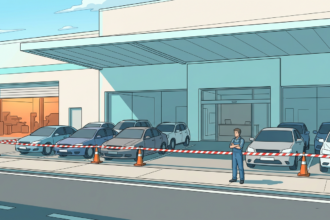
The city of Fargo, North Dakota, has selected a new traffic intelligence system that relies on 4D LiDAR technology to manage intersections. Known as Aeva CityOS, the platform uses the Atlas Orion 4D LiDAR sensor combined with edge AI perception software. It is designed to detect and track vehicles, pedestrians, and cyclists in real time, a capability that becomes critical during Fargo’s harsh winter conditions.
Traditional traffic monitoring systems often struggle with heavy snowfall, fog, low visibility, and prolonged darkness. Aeva’s 4D LiDAR is intended to operate reliably through these challenges, offering a data rich view of intersection activity that standard cameras or radar might miss. The system also supports traffic flow analytics, vulnerable road user monitoring, and near-miss detection.
Impact on Connected Vehicle and Infrastructure Security
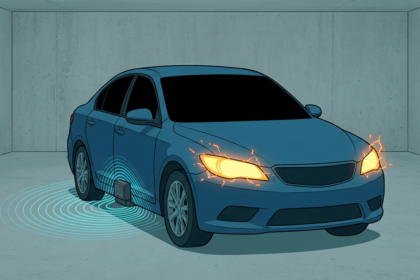
This deployment highlights a growing trend in intelligent transportation systems where advanced sensing is moving from inside the vehicle to the roadside. For automotive cybersecurity engineers and OEM security teams, the integration of 4D LiDAR into city infrastructure is significant because it changes the threat model for connected vehicles. Vehicles communicating with such infrastructure, for instance via V2X protocols, could be exposed to spoofing or data manipulation attacks if the roadside sensors are compromised.
The platform’s dependency on edge AI means that the perception layer processes data locally. This reduces latency but also introduces a new attack surface. If an adversary can feed false data to the edge AI, they could manipulate traffic analytics or mask hazardous conditions. Furthermore, as cities adopt these systems for safety critical decisions, ensuring the integrity of the sensor data and the AI model itself becomes essential for preventing traffic disruptions or accidents.
Broader Automotive and Cybersecurity Relevance
The Fargo case is a real world test of whether 4D LiDAR at intersections can outperform conventional systems in extreme climates. For the automotive sector, the success of such deployments could accelerate the adoption of similar sensing infrastructure, moving beyond pilot programs. This directly affects how OEMs and tier 1 suppliers design vehicle communication systems to interact with smart city infrastructure.
From a cybersecurity perspective, the deployment underscores the need for ISO 21434 compliance in roadside units and infrastructure sensors. The data from these LiDAR systems will likely be used for fleet management, traffic optimization, and potentially for autonomous vehicle coordination. Securing the data pipeline from the LiDAR sensor through the edge processor to the communication network is a new challenge for automotive security teams, especially as more cities move toward software defined traffic systems.
Source: Automotiveworld