## Ottawa opens the door while the rules stay unwritten
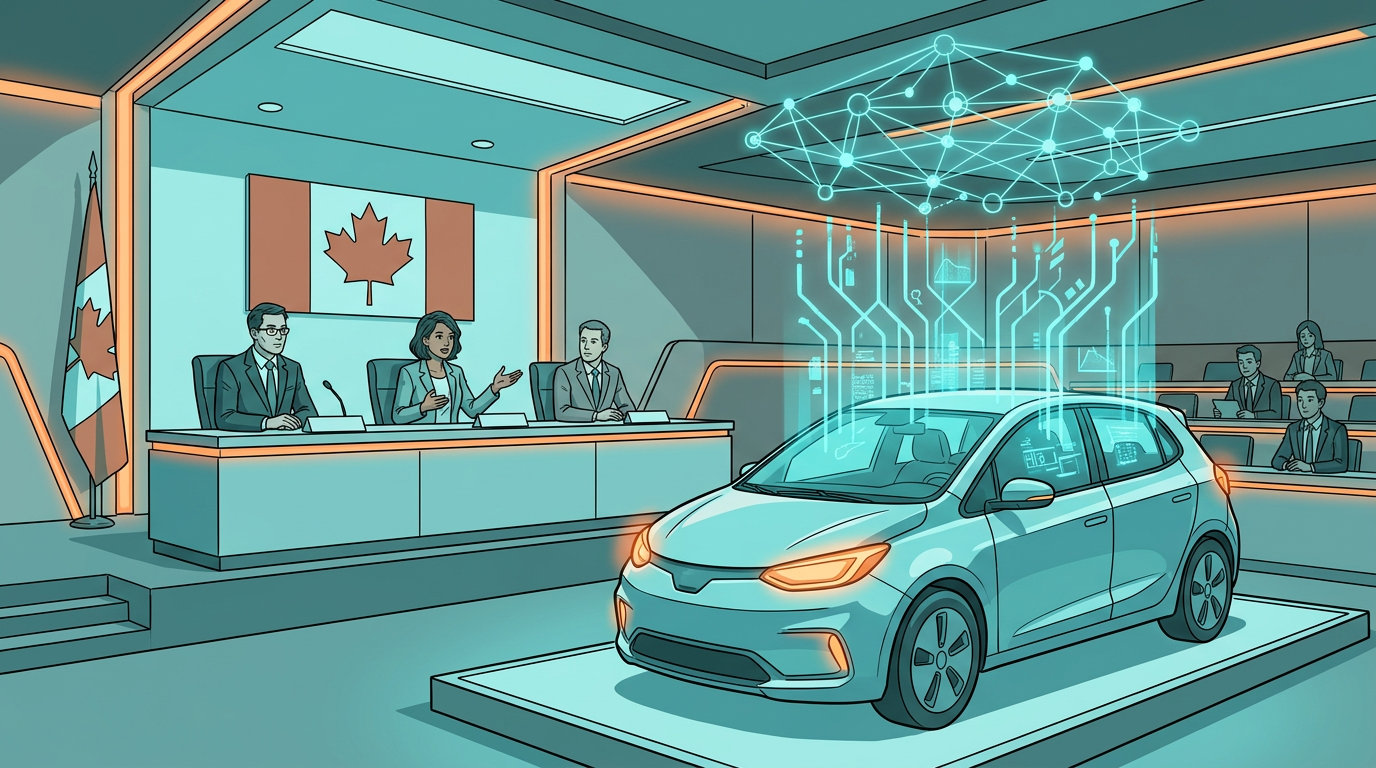
Canada now admits up to 49,000 Chinese-made electric vehicles a year, taxed at 6.1 per cent, and researchers say the safeguards to match have not been built. The warning came at a September 29 panel hosted by the Macdonald-Laurier Institute think tank.
Margaret McCuaig-Johnston, a University of Ottawa senior fellow and former federal science official, said the worry is the data, not the car. Chinese law can compel manufacturers to turn over what a vehicle’s cameras, microphones and navigation system collect, she said. “The issue is where the data is stored and what could be done with it.”
She wants vehicle data kept on Canadian soil, with buffer zones around military bases and government buildings, since a foreign state should not learn which companies call on federal departments.
## A trade deal with no conditions attached
A 100 per cent surtax in place since October 2024 was dropped by the January agreement. Drawing Chinese investment and reopening the door for Canadian farm exports were the reasons Ottawa gave for the quota.
Brian Kingston, who leads the Canadian Vehicle Manufacturers’ Association, called the real danger a rule vacuum. “We’re allowing these in but have put no protections in place,” he said, pressing Ottawa to copy Washington, which has phased in limits on China-linked vehicle software and hardware.
Brenda Shaffer, an energy specialist at the U.S. Naval Postgraduate School, raised a harder scenario. Vehicles in shipping or transport roles could be switched off remotely, she said, and military logistics lean on civilian supply lines.
Connected-vehicle risks have been flagged by the Office of the Privacy Commissioner, though that office stresses they are not the preserve of any single country. Canada sold about 170,000 EVs in 2025, up from 7,000 a decade earlier.