
Ford’s Chinese partnerships have become a public fight with the White House, after Transportation Secretary Sean Duffy sent chief executive Jim Farley a letter warning that the tie-ups threaten US national security.
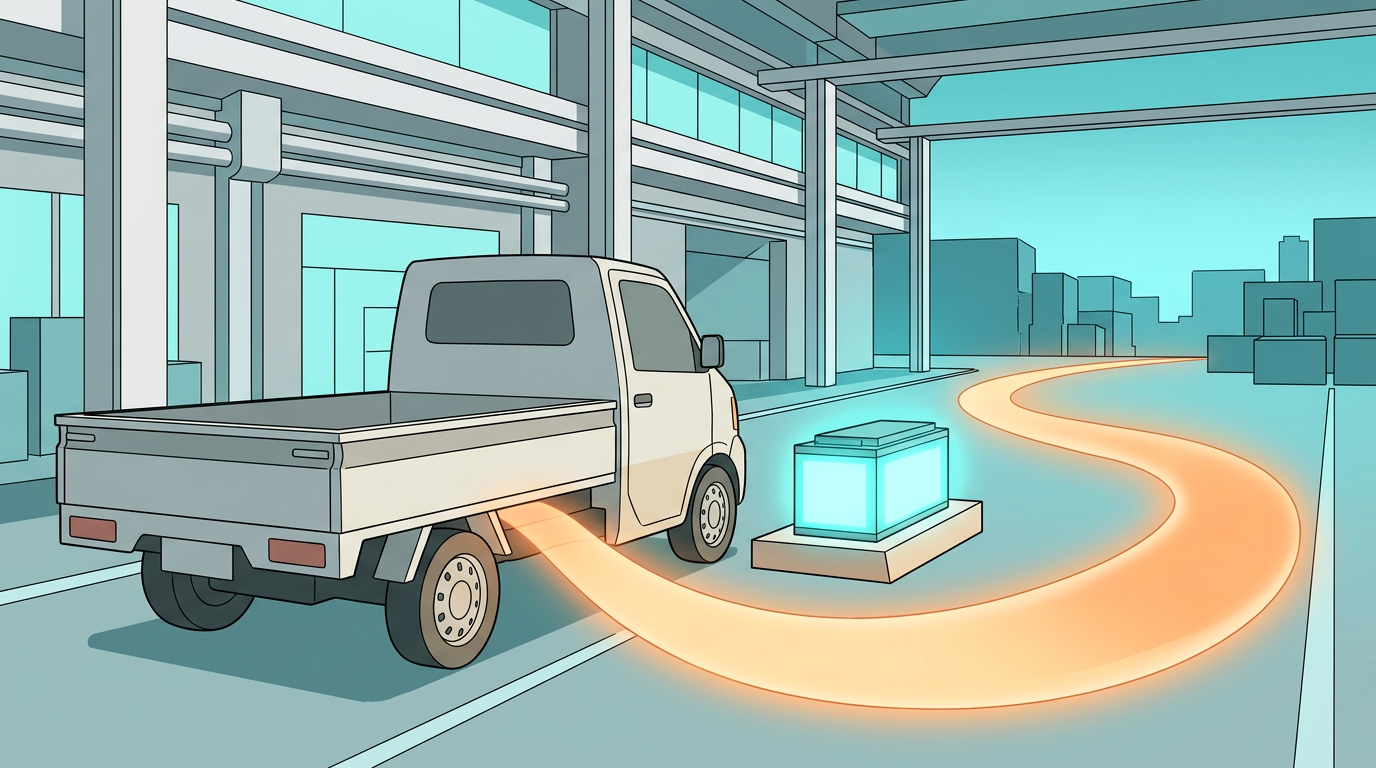
Three issues sit at the centre of the complaint. The Marshall, Michigan battery plant draws on licensed technology from CATL, a supplier listed by the US Department of War among firms with alleged Chinese military ties. A manufacturing venture in Spain pairs the automaker with Geely Auto. And the return of Lincoln production to American soil is running slower than the administration wanted, with 2030 now the target.
Ford rejected the framing outright. The company said the letter contains factual errors and that BlueOval Battery Park Michigan is Ford-owned and Ford-operated, staffed by American workers, representing billions of dollars of investment and roughly 1,700 jobs. Ford described the CATL arrangement as a limited technology-licensing and services agreement rather than a joint venture, and said no such venture was ever proposed.
Ford also contested the Lincoln timeline, saying it is working with the administration on trade, emissions and reshoring, including a commitment to lift Lincoln production for US buyers. It pointed to a White House release that praised the same Marshall project Duffy criticised, and to Commerce Secretary Howard Lutnick’s remarks crediting the reshoring decision with returning jobs.
Behind the exchange sits a question regulators have not settled: whether licensing foreign technology is meaningfully different from depending on it. Ford’s defence rests almost entirely on that distinction, while Washington signals that Chinese software and hardware in US vehicles remain a live security concern.