An AI agent can stay inside its permissions while the machine it controls leaves its safety envelope, and VicOne argues the automotive industry has to treat that gap as a vehicle problem rather than a software one.
A hardware watchdog sits at the centre of an agent safety platform NVIDIA published this week, placing oversight in silicon instead of leaving an agent to police itself. VicOne, a vehicle security software vendor inside that ecosystem, gave the launch its automotive reading on 28 September.
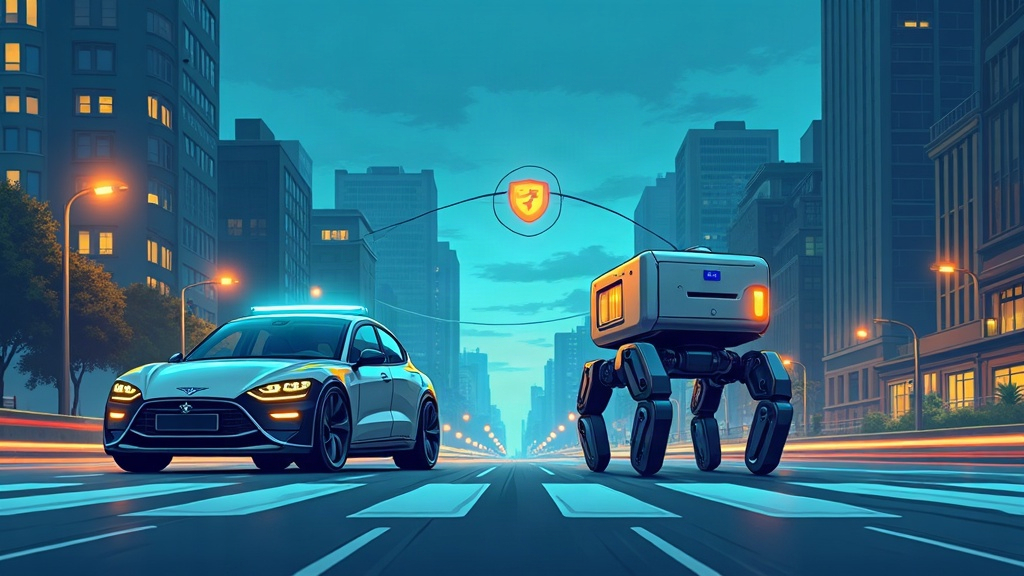
The automotive reasoning is direct. Robots have entered spaces shared with people, and autonomous vehicles must answer roads that change from one moment to the next. Once an agent’s decision becomes a machine’s action, a hidden instruction in data, a compromised tool or an over-broad permission can redirect a legitimate operation. The agent never leaves its authority. The vehicle does.
The proposed controls are familiar to vehicle security teams: verify identity, limit authority, test how an agent behaves when its inputs are manipulated, detect when those actions change machine behaviour, and keep a way to intervene.
The point worth keeping is where the boundary sits. Classic IT security stops at what a process may do. A vehicle adds a second question, what the machine does with that decision, and a steering or braking command cannot be rolled back afterwards. Agent permissions that look tidy in a policy document can still end in motion.