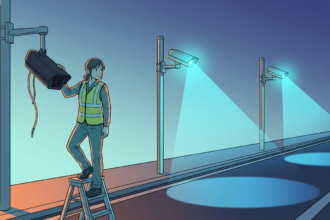

Watchdog agencies pulled Dahua Technology’s cameras out of Australia’s federal buildings and defence sites in 2023, citing surveillance risk. Papers filed with the Hong Kong Stock Exchange show the same manufacturer’s subsidiary still supplies cameras, sensors and radars to a carmaker selling here.
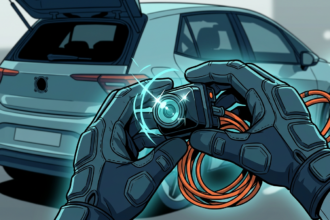
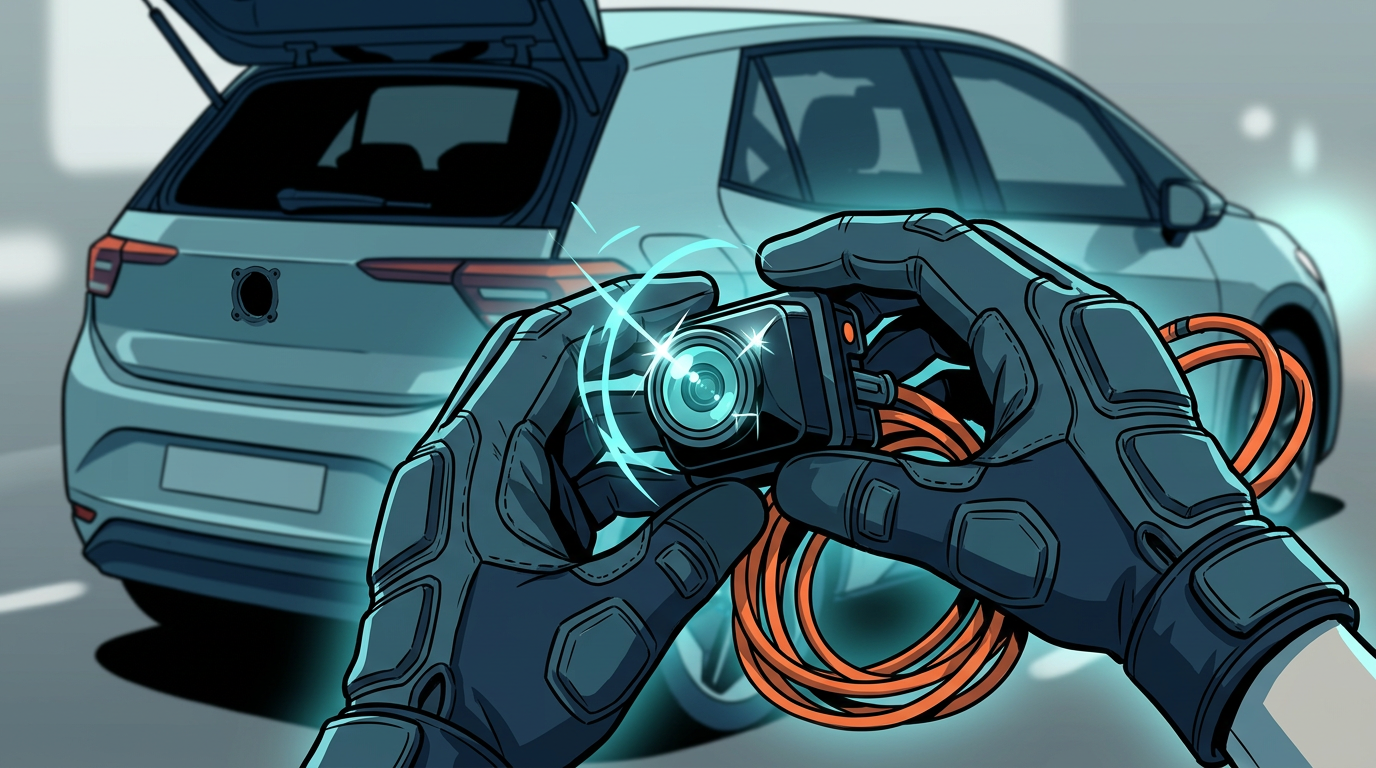
That carmaker is Leapmotor, which launched in Australia in 2024 as one of the market’s cheapest electric options. Six lenses on a C10 cover the road and the cabin in a 360-degree sweep. When a Four Corners team bought a rear camera for one, the label carried Dahua’s DH marking.
Sensitive sites are not fenced off from them. One August afternoon the program counted 22 EVs in a Canberra lot ringed by ASIO, the Department of Defence and the Australian Signals Directorate. Nearly half were Chinese badges.
MacGibbon, who once advised the nation on cybersecurity, frames the hardware itself as the problem: lenses plus microphones make a connected EV a ready-made surveillance platform. Park one beside a government building, in his account, and it records who comes and goes, then exposes the shift in those rhythms when something breaks. Military bases, intelligence facilities and critical infrastructure should all be closed to Chinese connected vehicles, he says.
James Paterson, the opposition’s defence spokesman, points out the inconsistency: agencies removed Dahua cameras that were not even online, then let the same technology drive through the same compounds. Britain has limited Chinese vehicles at selected sensitive sites, and China barred Teslas from political enclaves and defence installations in 2021.
Home Affairs Minister Tony Burke says Australia’s approach is precautions rather than prohibition. Defence would not describe its own restrictions.