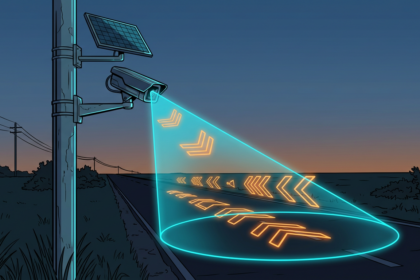



Flock Safety, the company behind the automated license plate reader cameras watching roads across thousands of US communities, is tightening the security and privacy controls on its vehicle surveillance network after months of police abuse reports.
The firm said Thursday it is cutting the recommended default data retention window from 30 days to seven and adding an “Evidence Mode” that lets detectives freeze specific plate data in cold storage for active investigations. Cities also gain new “offense filtering” controls that decide which crime categories other agencies can search, so a neighboring department can be blocked from running immigration-related queries while still hunting stolen vehicles.
Misuse detection now comes bundled into every law enforcement account. The “Audit Assistance” feature watches for abnormal search activity and routes it to an administrator, while a “proactive lockout” mechanism suspends accounts whose behavior crosses a set threshold until a person reviews the case. Before the year is out, agencies will also have to attach a case code to every query, and emergency requests that skip that step get flagged for a human check instead of waved through.
Flock also made multi-factor authentication mandatory for all logins this month and launched a coordinated vulnerability disclosure program giving researchers a sanctioned channel to report flaws in its plate readers and back-end systems. It hired security firm Bishop Fox for an independent review, with findings due in September.
The changes follow a wave of reports documenting officers using the cameras for personal business or surveillance, and the ACLU dismissed the update as a “thinly veiled PR attempt” that leaves data-sharing exceptions open to abuse. Flock’s network collects vehicle make, model, color and plate images, and agencies can pool that data nationally, making the audit controls a test case for how the industry polices access to car location records.