
Pressure on the White House over Chinese vehicles has hardened into a formal demand, days before President Xi Jinping is due in Washington.
Four trade bodies signed the letter, dated September 17 and seen by Bloomberg. The Alliance for Automotive Innovation, which speaks for Ford, General Motors, Toyota and Volkswagen, is joined by Autos Drive America, the American Automotive Policy Council and the National Automobile Dealers Association.
Their case blends trade and security. Connected vehicles, they argue, carry data and control paths that make their country of origin a national question, and letting a Chinese firm build here would hand a rival a foothold at the expense of manufacturers already operating in the United States.
Bloomberg reported on Wednesday that Chinese officials may add BYD to a business delegation travelling with Xi. Trump has said he would welcome a Chinese plant staffed by American workers, a position that unsettled Detroit. Canada has already let some Chinese EVs across its border.
A second letter, dated September 15, came from the Energy Security Leadership Council of SAFE, which counts retired admirals and generals and Fortune 500 chief executives among its members. It presses House and Senate leaders to pass the Connected Vehicle Security Act before the session ends in January, describing the bill as a shield for sensitive US data and for the industrial capacity military readiness depends on.
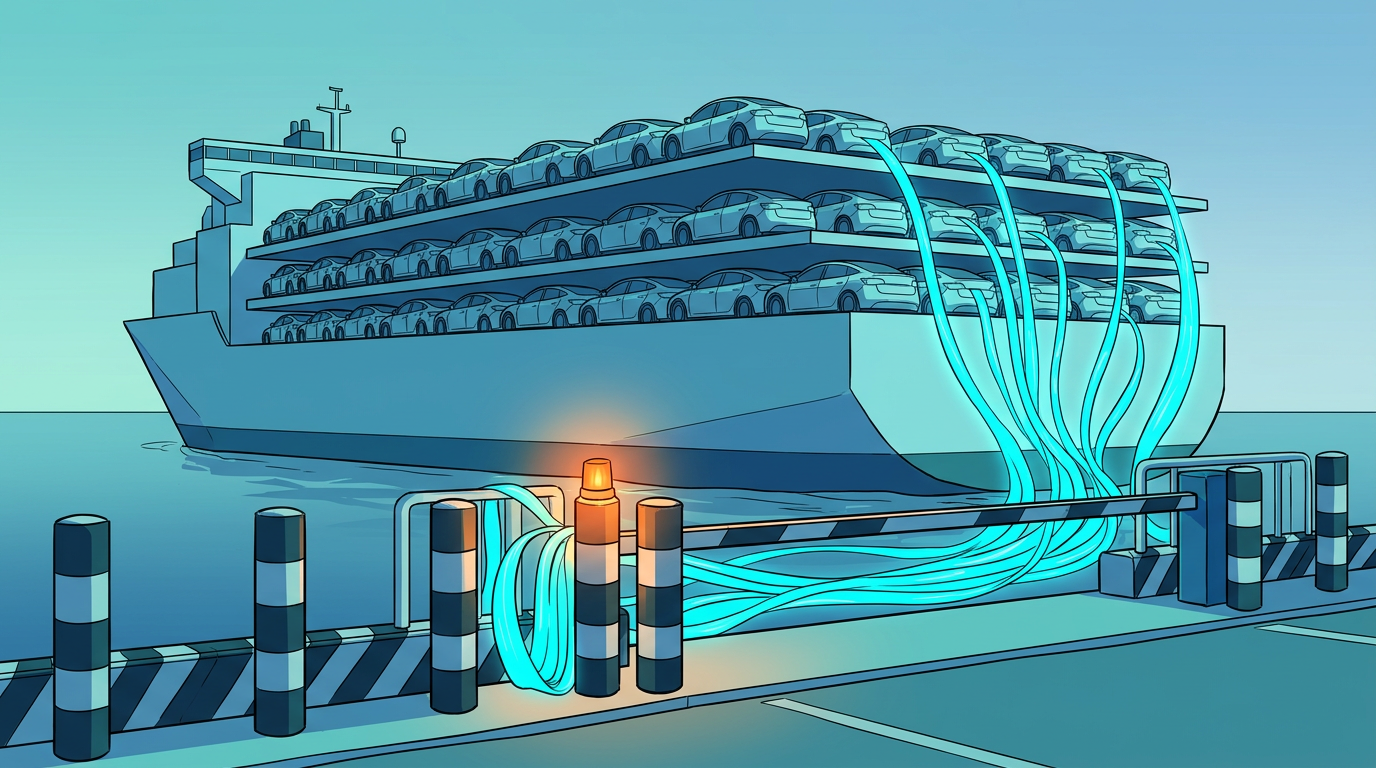
Without legal limits, SAFE warned, adversary-linked vehicles could slip in through Canada or Mexico.
Tariffs and a Commerce Department ban on connected vehicle systems from adversaries keep Chinese models largely shut out for now. Industry has lobbied lawmakers on this before. Going straight to the president, with a summit on the calendar, is a harder squeeze.