

CarThreat
  • Home
  • News
  • Features
  • Spotlight
  • Events
  • About
    • Our Mission
    • Services
    • Contact
Notification
  • Autonomous Driving
  • Automotive Ethernet
  • BMS
  • ECU
  • EV
  • ISO/SAE 21434
  • Infotainment
  • OTA Updates
  • OBD-II
  • Pwn2Own
  • RCE
  • SDVs
  • TCU
  • UNECE R155
Cybersecurity

St. Paul pulls plate reader cameras after data reached immigration agents

Policy & Compliance

China freezes vehicle software to end patch-later OTA era

Policy & Compliance

NRMA and Lexus Australia push Canberra toward car data law

Policy & Compliance

Quebec report declares car data consent fundamentally broken

Font ResizerAa
CarThreatCarThreat
  • Home
  • News
  • Features
  • Spotlight
  • Events
  • About
Search
  • Home
  • News
  • Features
  • Spotlight
  • Events
  • About
    • Our Mission
    • Services
    • Contact
Sign In Sign In
Follow US
© 2026 Carthreat.com. All right reserved.
Electric Vehicles

Fake plug-and-charge stations bill EV owners for stranger fills

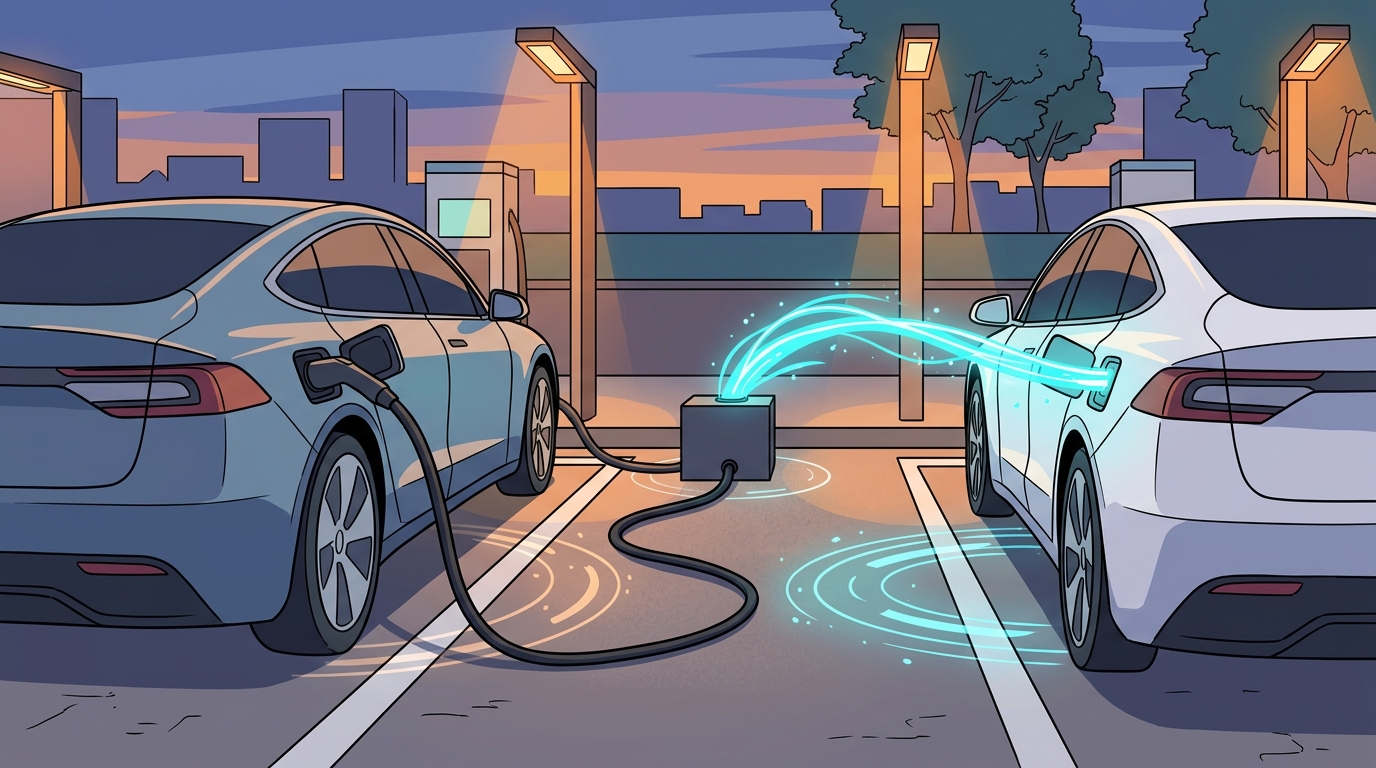
A rogue charging unit can relay a victim's plug-and-charge credentials and bill their account for a stranger's session.

CarThreat Staff
Last updated: August 9, 2026 10:43 pm
By
ctadmin
2 Min Read
Fake plug-and-charge stations bill EV owners for stranger fills
SHARE

A new relay trick against the plug-and-charge payment system used in European DC fast charging could let a thief fill their battery while another driver’s account takes the hit. Researchers at Technische Hochschule Ingolstadt demonstrated the exploit chain at VehicleSec ’26 in Baltimore this week, with a proof of concept they built from scratch.

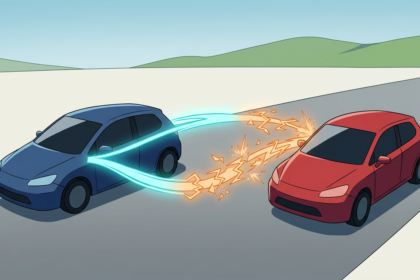
The scheme turns a fake charging unit into a man in the middle. When a victim plugs in, the rogue station captures the vehicle’s cryptographic identity during the authentication handshake and relays it onward to a real charger, which completes the session against the victim’s contract certificate. The driver of the vehicle never sees an authorization prompt.

The weakness sits in two places. The plug-and-charge signature carries no station-identifying information, so the billing system cannot tell which unit actually delivered the power. On top of that, the researchers found gaps in how the standard handles TLS certificates on the charging side.

The team, made up of Jakob Low, Vishwa Vasu, Thomas Hutzelmann, and Hans-Joachim Hof, argues the flaw will become more dangerous as plug-and-charge rolls out beyond Europe. Their suggested fixes include binding station identity into the payment signature and making certificate validation stricter on the vehicle side.

For owners the immediate risk is paying for somebody else’s session. For the industry, the work adds to a growing list of ISO 15118 findings and points to a standard that still treats the station as a trusted endpoint.

Join Our Newsletter
Subscribe to our newsletter to get our newest articles instantly!
TAGGED:Charging InfrastructureConnected VehiclesElectric Vehicles (EVs)ISO 15118Relay AttacksVulnerabilities
SOURCES:USENIX VehicleSec '26
Share This Article
Facebook Email Copy Link

Follow US

Find US on Social Medias
FacebookLike
XFollow
YoutubeSubscribe

You Might Also Like

PCA finds 345 auto vulnerabilities as high-severity flaws double
Cybersecurity

PCA finds 345 auto vulnerabilities as high-severity flaws double

By
ctadmin
August 1, 2026
Spotlight

Robinhood Fund II backs autonomous vehicle startups with $250K SAFEs

By
ctadmin
August 11, 2026
Cybersecurity

Camouflaged patches can hide traffic lights from self-driving cars

By
ctadmin
August 13, 2026
Cybersecurity

Analog fingerprints catch counterfeit ECUs that pass crypto checks

By
ctadmin
August 12, 2026
Cybersecurity

Quantum-safe update handshake keeps low-power ECUs safe on the road

By
ctadmin
August 12, 2026
Cybersecurity

Autocrypt reclaims DEF CON car hacking crown with AI crew

By
ctadmin
August 14, 2026

CarThreat

Intelligence for the EV and automotive security market
  • News
  • Features
  • Spotlight
  • Events
  • About Carthreat
  • Our Mission
  • Services
  • Contact Us
  • OBD-II
  • Automotive Ethernet
  • TCU
  • Infotainment Systems
  • SDVs
  • BMS
  • ECU Security
  • CAN Bus
  • Threat Intelligence
  • Cybersecurity
  • Digital Keys
  • Bluetooth Security
  • OTA Updates
  • Vulnerabilities
  • Relay Attacks
  • RCE
  • Data Privacy
  • EVs
  • Autonomous Driving
  • Pwn2Own Automotive
  • ISO/SAE 21434
  • UNECE R155
  • Regulations

© 2026 Carthreat.com. All right reserved.  Privacy Policy | Legal

Welcome Back!

Sign in to your account

Username or Email Address
Password

Lost your password?