




Chip Debut and Validation Timeline
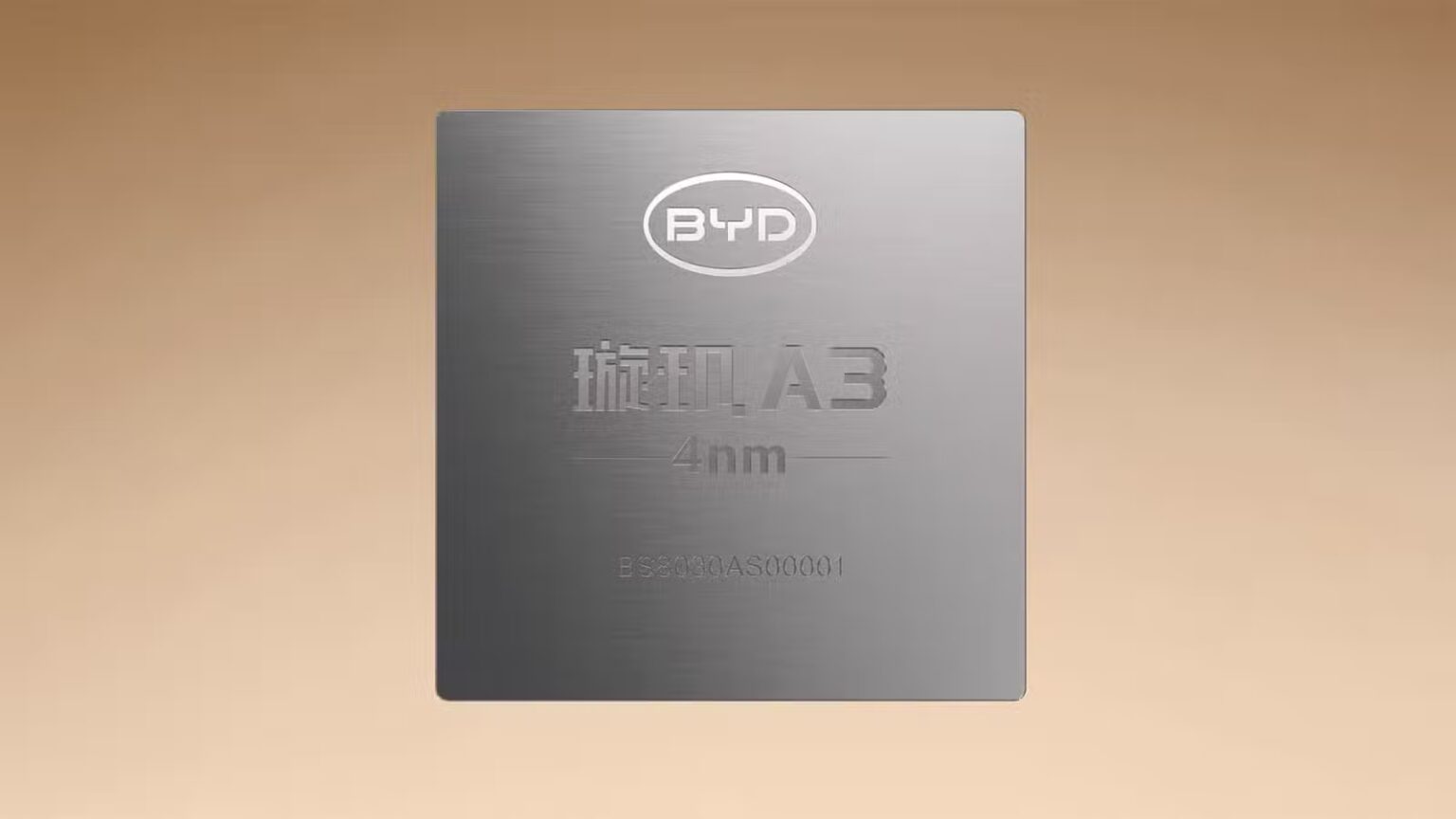
Chinese automaker BYD plans to integrate its in-house Xuanji A3 smart driving chip into a production model under the Denza brand by 2027, according to a report from Chinese outlet LatePost. The chip, unveiled in May 2026, is billed as China’s first mass-produced automotive-grade processor built on a 4 nm process. It has already entered mass production, but the gap between unveiling and vehicle integration highlights the lengthy validation burden for automotive semiconductors. Each phase, including chip verification, algorithm testing, and vehicle integration, requires separate certification, a process that typically takes over a year.
Vertical Integration Strategy and Industry Context
The Xuanji A3 chip closes what BYD calls the last major gap in its vertical integration strategy. The company has built a sprawling supply chain covering lithium extraction, battery manufacturing, power semiconductors, e-motors, and even cargo ships. Its semiconductor division now employs over 7,000 people across four research bases and five wafer fabs, with cumulative investments exceeding CN¥100 billion (US$14.7 billion). However, full independence remains elusive. BYD’s existing God’s Eye ADAS system still relies on chips from Nvidia and Horizon Robotics, along with algorithm support from Momenta and Huawei.
Performance Claims and Technical Challenges
BYD claims a single Xuanji A3 chip delivers over 700 TOPS of processing power, with three units exceeding 2,100 TOPS. The company also states the chip consumes 20% less power per unit than comparable products and doubles effective utilization when paired with its own algorithms. These claims have not been externally verified at production scale. The recent restructuring of BYD’s smart driving operations, consolidating software, cockpit systems, and domain control hardware into a single technology institute, suggests the company recognizes that achieving vertical integration in vehicle intelligence is far more complex than mastering manufacturing integration in batteries or power electronics.
Source: Automotiveworld