

Excerpt: NHTSA plans performance-based autonomous vehicle rules by 2028 while Waymo recalls its fleet after construction zone incidents.
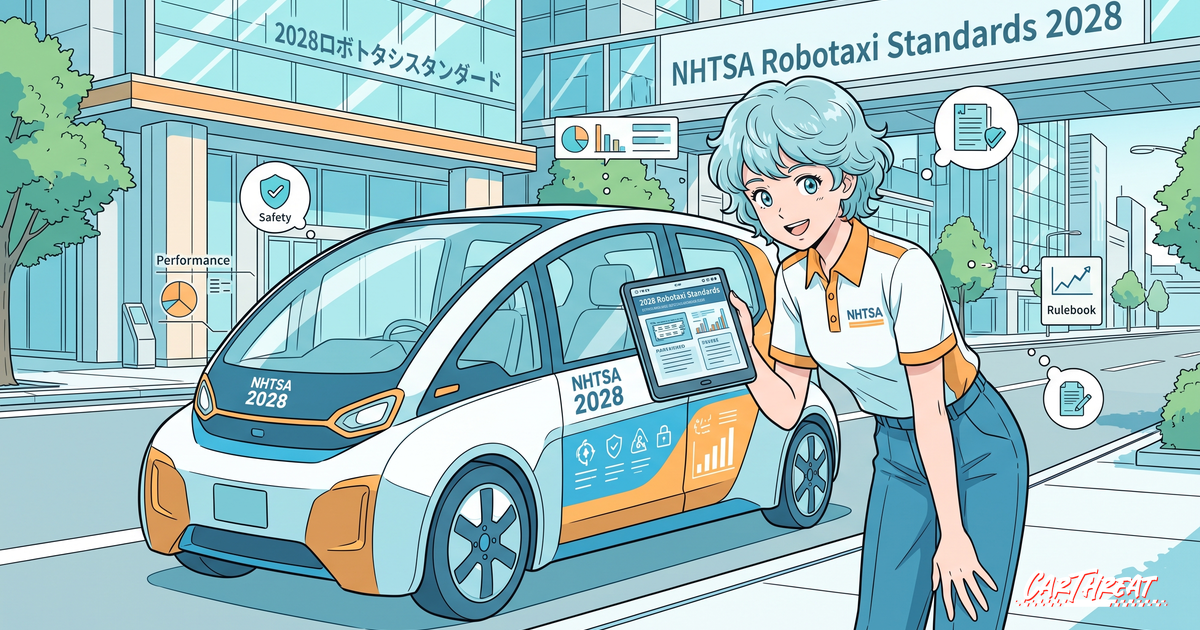
The National Highway Traffic Safety Administration is working to finalize new autonomous vehicle safety requirements by 2028, Administrator Jonathan Morrison confirmed in a Bloomberg interview. The agency plans to identify “behavioral competencies” for self-driving cars with objective tests that measure actual vehicle performance rather than compliance with design-based rules written for human drivers.
The approach marks a fundamental shift. Rather than requiring physical controls like brake pedals and steering wheels, NHTSA wants to evaluate whether the vehicle can safely navigate real-world scenarios — such as passing a double-parked fire truck. Morrison confirmed that the agency is evaluating whether to drop the steering wheel mandate entirely. “If you’re developing a vehicle that is designed never to be driven by a human operator, it doesn’t make sense to require manual controls,” he said.
NHTSA has already proposed eliminating requirements for mirrors, gearshift displays, windshield wipers, sun visors, defogging systems, and tire placards in purpose-built robotaxis, directly benefiting vehicles like Tesla’s Cybercab and Amazon’s Zoox.
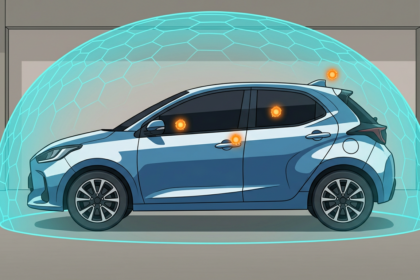
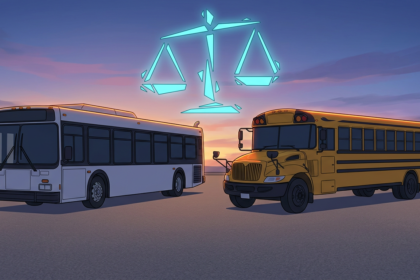
The rulemaking comes amid heightened scrutiny of autonomous vehicle operators. Waymo recently recalled virtually its entire fleet of roughly 4,000 vehicles and suspended freeway operations after robotaxis drove through active construction zones at speed. The company faces multiple investigations, including an NTSB probe into its vehicles passing stopped school buses and a January collision where a Waymo struck a child near an elementary school.
Morrison has also told AV developers to fix a “clear pattern” of vehicles interfering with first responders, warning that behavior around emergency scenes is unacceptable. NHTSA convened a national AV safety forum in March with Waymo, Zoox, and Aurora to discuss safety metrics and remote assistance rules. Tesla notably declined to participate despite having an outdoor showcase at the event.
Currently only Zoox and Nuro hold active NHTSA exemptions for vehicles without manual controls, capped at 2,500 vehicles per year. Waymo’s fleet uses adapted mass-market vehicles retaining manual controls, keeping them FMVSS-compliant without an exemption. The 2028 timeline aims to rewrite the framework before the current administration’s term ends.