



Growing Concerns Over Vehicle Data Harvesting
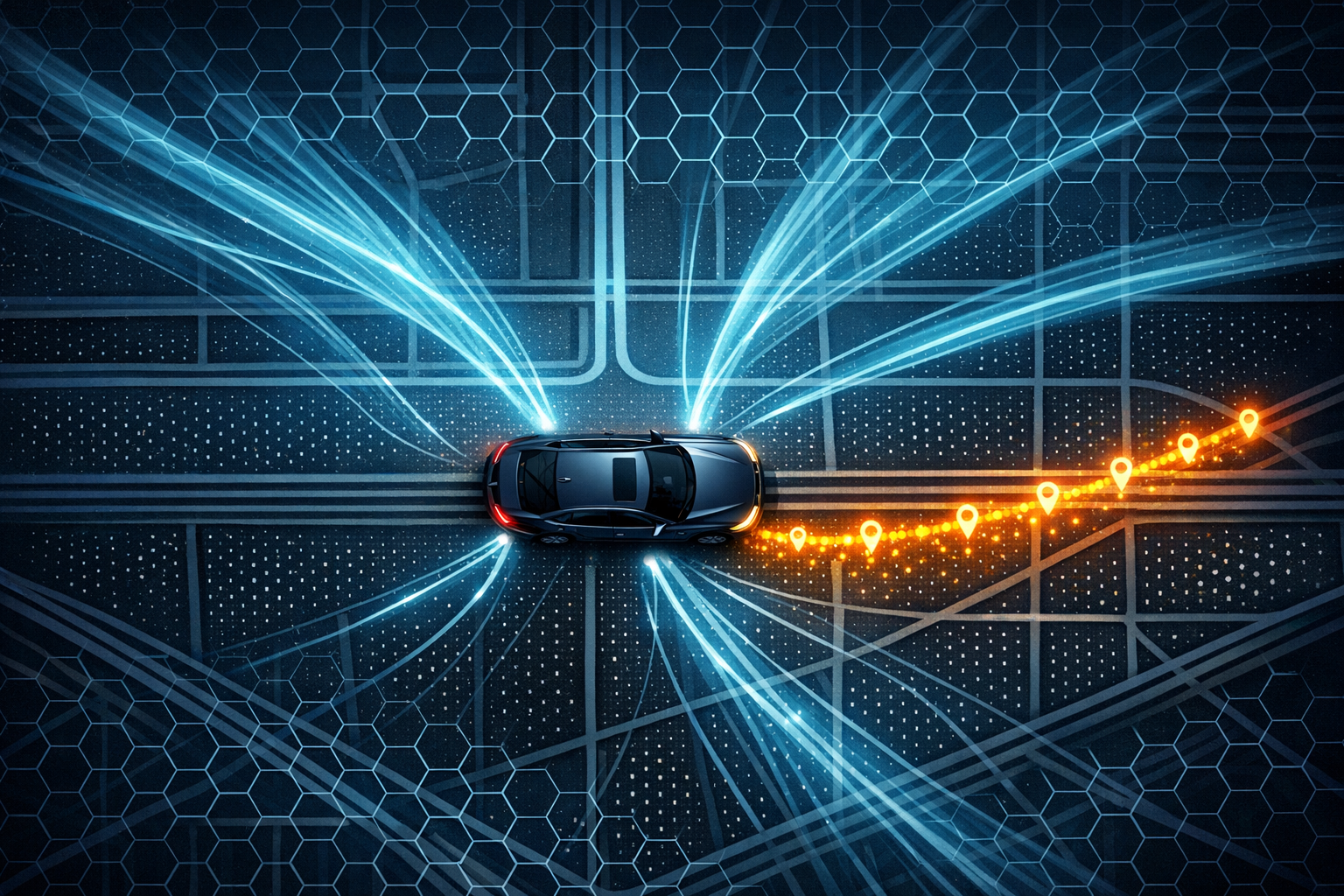
Modern internet-connected vehicles are quietly collecting vast amounts of personal data from drivers, including location history, driving behavior, biometric information, and even audio and video recordings. Consumer advocacy group Choice recently investigated major car brands operating in Australia and found that nearly all of them collected and shared driver data with third parties. KIA, Hyundai, and Tesla were specifically cited for sharing biometric data, while Tesla was also found to capture short audio and video clips that were transmitted externally. These revelations have sparked alarm among privacy experts and national security officials alike.
Australia’s intelligence agency, ASIO, has warned politicians and public servants to avoid discussing classified information inside internet-connected cars, citing the risk of surveillance through onboard sensors and microphones. Despite these warnings, several Chinese-made vehicle models, including BYD and MG offerings, have been added to Australia’s list of taxpayer-funded cars available for parliamentary use, creating tension between convenience and security.
Regulatory Gaps and Enforcement Challenges
Australia’s privacy regulator, the Office of the Australian Information Commissioner (OAIC), confirmed in February that it is actively investigating two Asian vehicle manufacturers over potential data harvesting violations. However, two other probes were dropped due to the low likelihood of enforcement action under current laws. Legal expert Avinash Singh, a lawyer specializing in data privacy, stated that these dropped investigations indicate Australian legislation is ill equipped to protect consumers from automotive data collection practices.
Singh noted that while Chinese brands have attracted much of the attention, the issue is not limited to them. Western manufacturers like Tesla also collect extensive personal data. The key difference, he argued, lies in how the data is used: Western companies typically leverage it for marketing and consumer targeting, whereas there are genuine concerns that Chinese automakers may share data with their home government. Singh called for mandatory disclosure requirements at the point of sale, similar to financial product statements, so consumers can make informed decisions about the connected features in their vehicles.
Source: news.com.au