

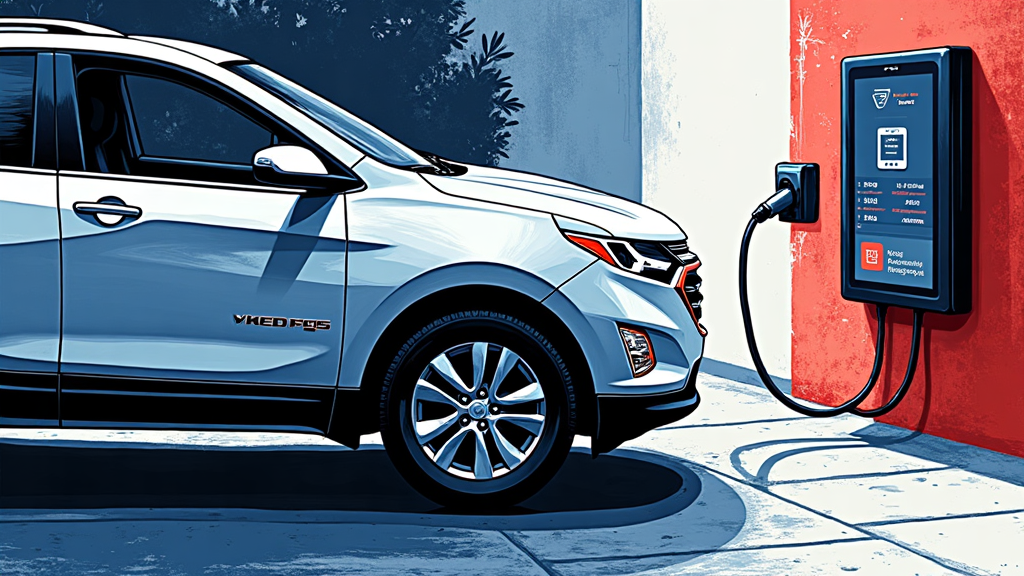
How Bidirectional Charging Works
General Motors has detailed its bidirectional charging technology, which allows electric vehicles to function as mobile energy storage units. The system supports two primary modes: vehicle-to-home (V2H) and vehicle-to-grid (V2G). With V2H, compatible models like the Chevrolet Equinox EV, GMC Sierra EV, and Cadillac LYRIQ can power household appliances during outages. The setup uses a GM Energy system with a bidirectional charger and enablement kit that isolates the home from the grid, preventing backfeeding and protecting utility workers.
Impact on Energy and Automotive Security
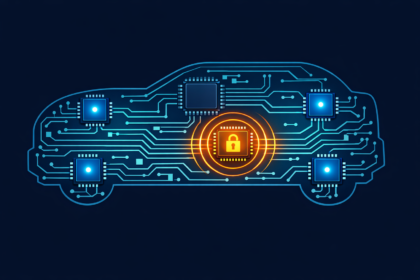
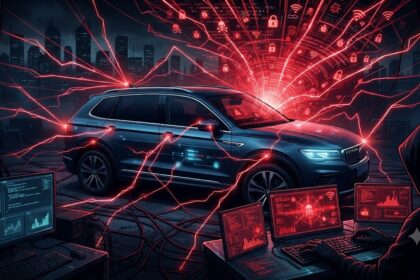
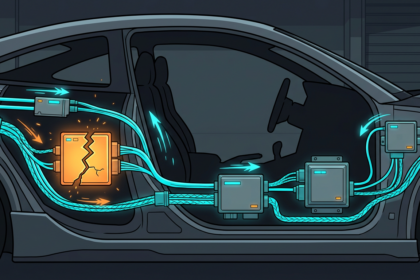
V2G capability enables EVs to return stored energy to the electricity network during peak demand periods. Owners enrolled in utility programs can reduce electricity costs through time-of-use pricing, and some utilities offer payments for energy supplied at high demand. This technology gains relevance as electricity grids face strain from extreme weather and rising data center loads. From an automotive cybersecurity standpoint, bidirectional charging introduces new attack surfaces in the communication link between vehicle, charger, home network, and utility grid. OEMs and fleet operators must ensure that V2G and V2H protocols are secured against unauthorized access or energy tampering, as vulnerabilities could lead to grid instability or vehicle battery system compromise.
Source: Automotiveworld