

CarThreat
  • Home
  • News
  • Features
  • Spotlight
  • Events
  • About
    • Our Mission
    • Services
    • Contact
Notification
  • Autonomous Driving
  • Automotive Ethernet
  • BMS
  • ECU
  • EV
  • ISO/SAE 21434
  • Infotainment
  • OTA Updates
  • OBD-II
  • Pwn2Own
  • RCE
  • SDVs
  • TCU
  • UNECE R155
Cybersecurity

St. Paul pulls plate reader cameras after data reached immigration agents

Policy & Compliance

China freezes vehicle software to end patch-later OTA era

Policy & Compliance

NRMA and Lexus Australia push Canberra toward car data law

Policy & Compliance

Quebec report declares car data consent fundamentally broken

Font ResizerAa
CarThreatCarThreat
  • Home
  • News
  • Features
  • Spotlight
  • Events
  • About
Search
  • Home
  • News
  • Features
  • Spotlight
  • Events
  • About
    • Our Mission
    • Services
    • Contact
Sign In Sign In
Follow US
© 2026 Carthreat.com. All right reserved.
Cybersecurity

From Screen to Street: How a Netflix Film Exposes Real Car Hacking Risks

CarThreat Staff
Last updated: May 25, 2026 2:01 am
By
ctadmin
3 Min Read
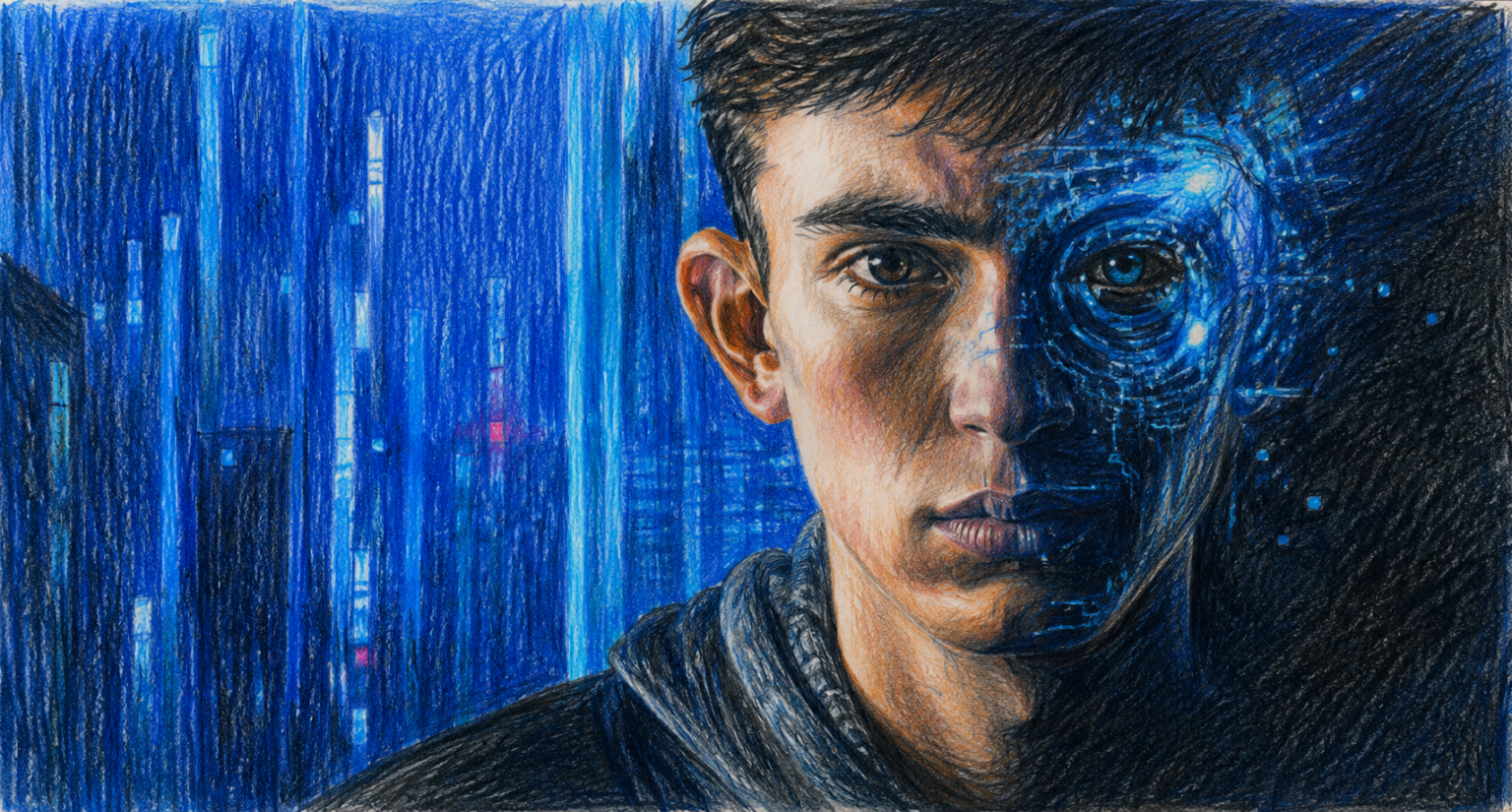
iBoy Netflix film scene depicting remote car hacking
Still from the Netflix film iBoy showing smartphone-based car hacking
SHARE

The Scene That Mirrors Reality

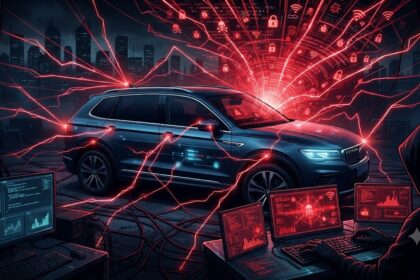
In the 2017 Netflix film iBoy, a teenager with a phone embedded in his brain hacks into a connected car, trapping the occupants inside by taking control of the infotainment system, engine, and airbags. While the premise of a human brain fused with technology is pure science fiction, the car hacking methods depicted in the movie are grounded in real world vulnerabilities. The attack begins with the infotainment system, a common entry point in modern vehicles, and escalates to controlling the engine, locking doors, and deploying the airbag all through remote access. This sequence highlights a growing concern for automotive security engineers and OEMs: the convergence of connectivity and control in vehicle architecture.

Contents
The Scene That Mirrors RealityHow Remote Attacks Can Target Critical SystemsImplications for Passenger Safety and Automotive Design

How Remote Attacks Can Target Critical Systems

The film showcases a scenario where a hacker uses the infotainment system as a gateway to more dangerous vehicle functions. In reality, connected and autonomous cars often rely on externally accessible controllers like Bluetooth, WiFi, or cellular modems. If any of these entry points are vulnerable, an attacker could theoretically manipulate the engine, radio, airbags, or door locks. The on board diagnostics port, commonly used for maintenance, also provides a pathway to tamper with safety critical components such as airbags. This exposes a urgent need for robust security measures to prevent unauthorized access from bridging the gap between entertainment systems and vehicle control systems.

Implications for Passenger Safety and Automotive Design

The iBoy scenario underscores the tension between consumer desire for connected car features and the imperative for passenger safety. As vehicles become more software defined and reliant on over the air updates, the attack surface expands. Car manufacturers must prioritize security in the design phase, implementing safeguards like network segmentation to isolate infotainment from critical systems, intrusion detection to monitor for anomalies, and secure boot processes to prevent firmware tampering. For fleet managers and tier 1 suppliers, the lesson is clear: connectivity without proper security invites real world risks that can compromise both vehicle operation and occupant safety.

Source: Karambasecurity

Join Our Newsletter
Subscribe to our newsletter to get our newest articles instantly!
Share This Article
Facebook Email Copy Link

Follow US

Find US on Social Medias
FacebookLike
XFollow
YoutubeSubscribe

You Might Also Like

Cybersecurity

Report warns supplier hacks could cost automakers $100M

By
ctadmin
August 14, 2026
Car NewsCybersecurity

Malware attack forces Japan’s largest taxi company to suspend services

By
ctadmin
July 14, 2026
Cybersecurity

Sony Semiconductor Takes Board Seat at MIPI Alliance as Bosch Departs

By
ctadmin
June 17, 2026
Cybersecurity

Bidirectional EV Charging Turns Connected Cars into Grid Assets

By
ctadmin
June 5, 2026
Cybersecurity

Geotab MCP Connector Bridges Fleet Telematics and AI Platforms

By
ctadmin
June 19, 2026
Cybersecurity

NHTSA tells self-driving car makers to stop blocking ambulances

By
ctadmin
July 12, 2026

CarThreat

Intelligence for the EV and automotive security market
  • News
  • Features
  • Spotlight
  • Events
  • About Carthreat
  • Our Mission
  • Services
  • Contact Us
  • OBD-II
  • Automotive Ethernet
  • TCU
  • Infotainment Systems
  • SDVs
  • BMS
  • ECU Security
  • CAN Bus
  • Digital Keys
  • Bluetooth Security
  • OTA Updates
  • Vulnerabilities
  • Relay Attacks
  • RCE
  • Threat Intelligence
  • Cybersecurity
  • Autonomous Driving
  • Pwn2Own Automotive
  • ISO/SAE 21434
  • UNECE R155
  • Regulations
  • Data Privacy
  • EVs

© 2026 Carthreat.com. All right reserved.  Privacy Policy | Legal

Welcome Back!

Sign in to your account

Username or Email Address
Password

Lost your password?