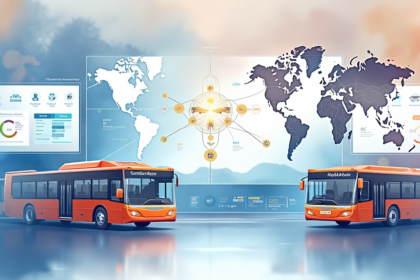


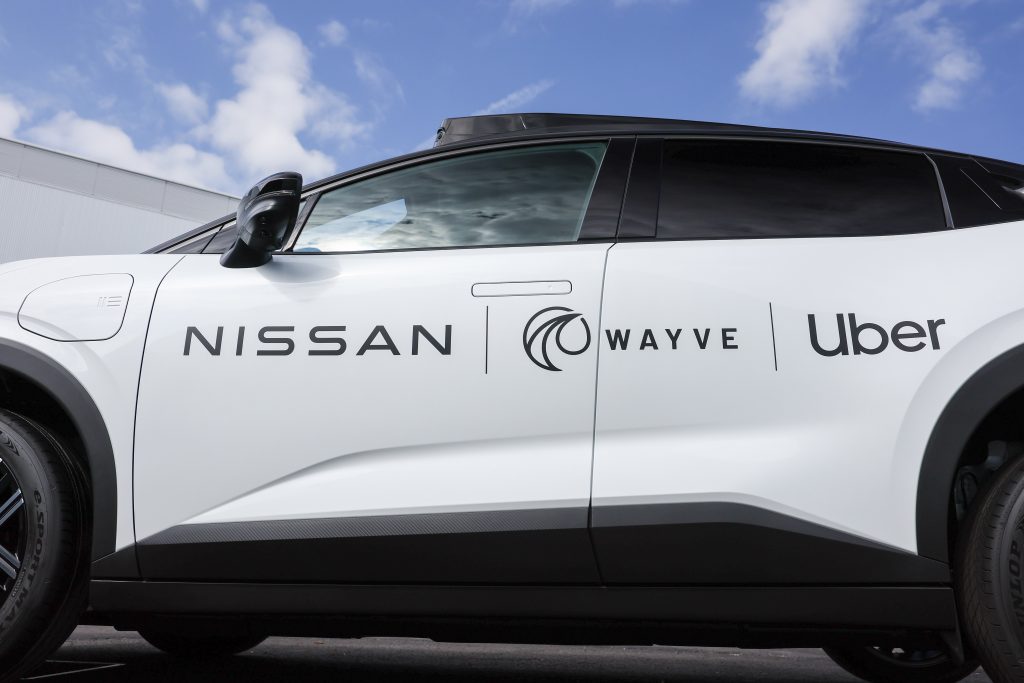
Uber has opened a waiting list for passengers in London ahead of the city’s first commercial robotaxi service, expected to begin operations within months pending regulatory approval from the UK Department for Transport. The service will deploy a fleet of black Ford Mustang Mach-E electric vehicles powered by Wayve’s end-to-end artificial intelligence system. Initially, each vehicle will have a human safety operator onboard before transitioning to unsupervised SAE Level 4 autonomous operations. Rides will be priced at standard Uber rates with no additional surcharge, and passengers matched with a robotaxi will have the option to decline and request a conventional human driven vehicle instead.
Mapless AI Architecture for Complex Urban Environments
Wayve’s technology stands apart from the geofenced, mapped route approach used by most autonomous vehicle operators in the United States. The British startup has developed a mapless AI architecture trained to navigate dynamically, avoiding the need for predefined geofencing boundaries. This design choice was specifically made to handle the challenges posed by London’s medieval street layouts, heavy pedestrian traffic, and unpredictable urban conditions. The launch represents Wayve’s most significant real world deployment to date, bringing its embodied AI technology into a commercial service for the first time.
Impact and Scope for Connected Vehicles
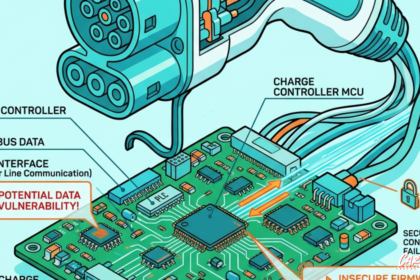
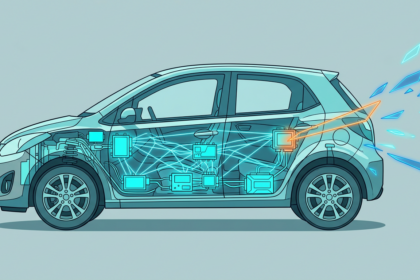
The deployment of Wayve’s dynamic self-driving model has direct implications for automotive cybersecurity and connected vehicle systems. The vehicle’s reliance on an end to end AI system rather than pre mapped routes means it must process and react to real time environmental data, including traffic signals, pedestrian movements, and road obstacles, without falling back on geofenced safety nets. This architecture introduces unique attack surfaces in sensor data integrity, AI model manipulation, and V2X communication security. For automotive security engineers and OEM security teams, the successful commercial operation of a mapless Level 4 system in one of the world’s most complex urban environments will test how autonomous AI platforms can maintain safety and security without relying on traditional geofencing restrictions. Uber’s fleet of Ford Mustang Mach E vehicles also raises considerations around over the air update security and electric vehicle charging infrastructure safety as the service scales.
Source: Automotiveworld